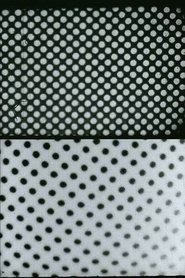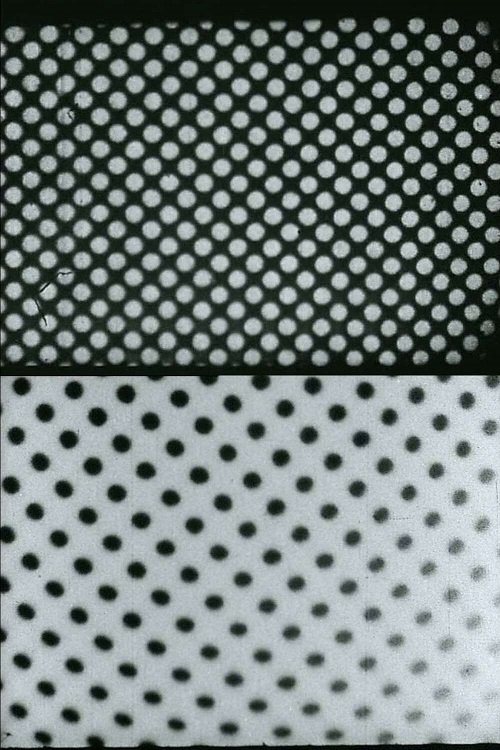
Dots 1 & 2
Fluxfilm No. 27
1965 · 1 min · ★ 5.8 · Animation
Single frame exposures of dot-screens.
Directed by Paul Sharits
Your Rating
Make it a double feature
13m together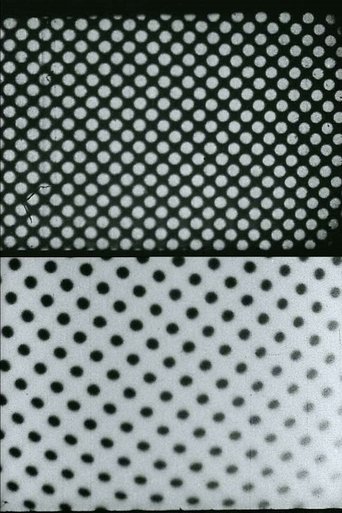
Both from Paul Sharits.
FluxfilmsSee all →
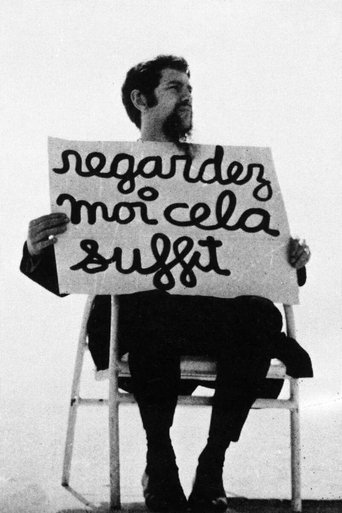 Regardez moi cela suffit · 1962
Regardez moi cela suffit
★ 5.01962
Movie
Sitting on a promenade in nice with a sign: Watch me, that’s all.
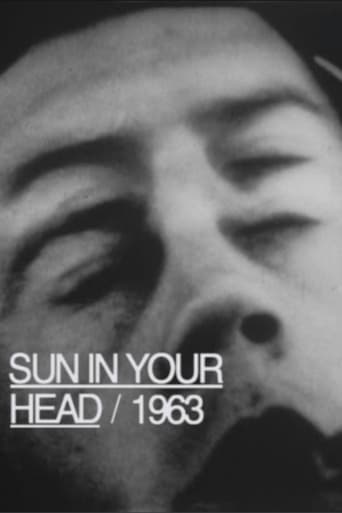 Sun in Your Head · 1963
Sun in Your Head
★ 5.71963
Movie
"Single Frame sequences of TV or film images, with periodic distortions of the image. The images are airplanes, women men interspersed with pictures of texts like: 'silence, genius at work' and 'ich liebe dich.' The end credit is 'Television décollage, Cologne, 1963."
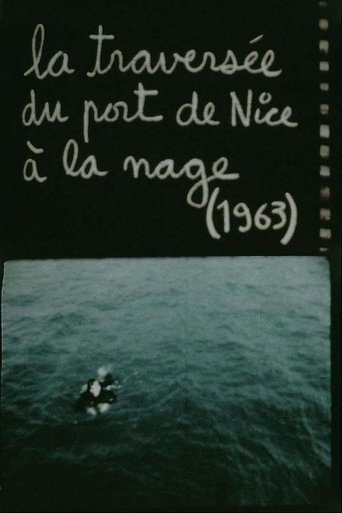 La traversée du port de Nice à la nage · 1963
La traversée du port de Nice à la nage
★ 5.41963
Movie
Swimming across Nice harbour fully clothed. Ben swims across a bay in Nice.
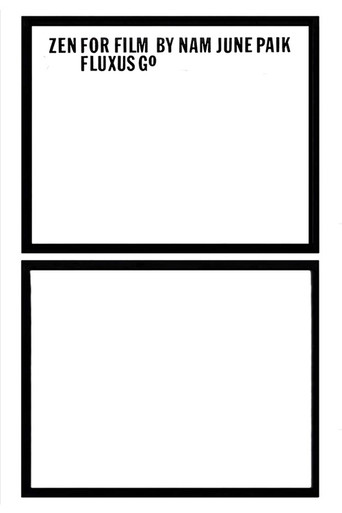 Zen for Film · 1964
Zen for Film
★ 5.31964
Movie
In an endless loop, unexposed film runs through the projector. The resulting projected image shows a surface illuminated by a bright light, occasionally altered by the appearance of scratches and dust particles in the surface of the damaged film material. This a film which depicts only its own material qualities; An "anti-film", meant to encourage viewers to focus on the lack of concrete images.
 Sears Catalogue 1-3 · 1965
Sears Catalogue 1-3
★ 6.51965
Movie
Each film frame is a different image from the Sears Roebuck mail order catalogue. The film places pictures of the objects sold by Sears to the consumer society side by side with pictures of female models
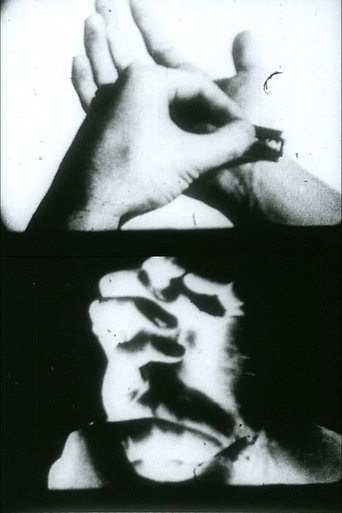 Wrist Trick · 1965
Wrist Trick
★ 6.81965
Movie
Various gestures of hand held razorblade, single frame exposures.
 Invocations of Canyons and Boulders (for Stan Brakhage) · 1966
Invocations of Canyons and Boulders (for Stan Brakhage)
★ 6.01966
Movie
"INVOCATION is Higgins' Satie movie... the purest attempt to clear art from any or all historical, esthetic, thematic, ornamental claptrap to regain the lost-eye consciousness." - Jonas Mekas
 End After 9 · 1966
End After 9
★ 5.81966
Movie
Word & number gag, no camera.
 Disappearing Music for Face · 1966
Disappearing Music for Face
★ 5.01966
Movie
A smile gradually fades into a neutral facial expression.
 Blink · 1966
Blink
★ 5.01966
Movie
Flicker: White and black alternating frames.
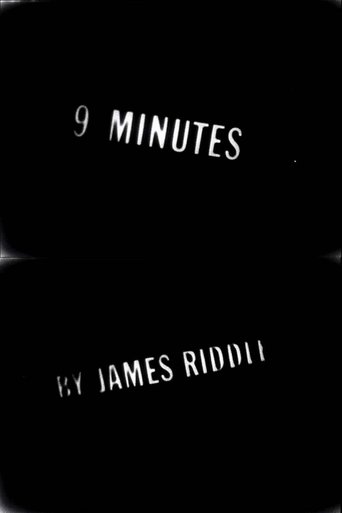 9 Minutes · 1966
9 Minutes
★ 5.01966
Movie
Time counter, in seconds and minutes.
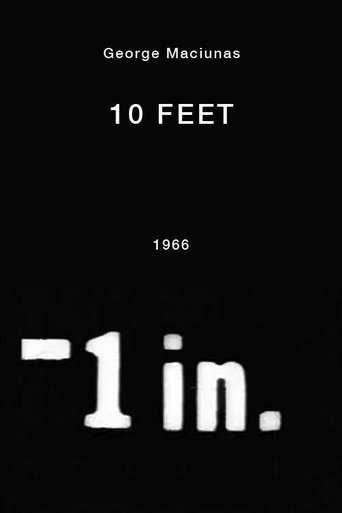 10 Feet · 1966
10 Feet
★ 5.61966
Movie
Prestype on clear film measuring tape, 10ft. length. No camera. At the end of every foot of film numbers appear, 1, 2, etc to 10
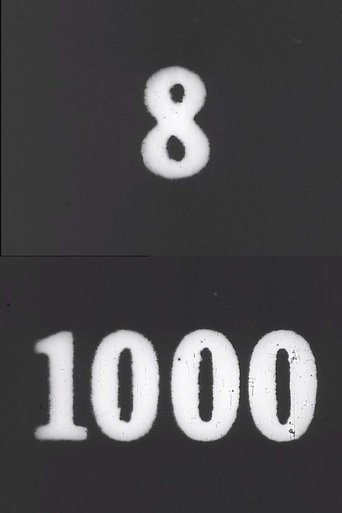 1000 Frames · 1966
1000 Frames
★ 5.51966
Movie
Numerals on clear film from 1 to 1000."
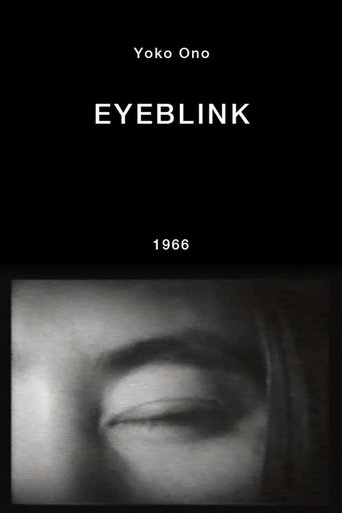 Eyeblink · 1966
Eyeblink
★ 3.81966
Movie
A 16 mm film, featuring Yoko Ono's own eye slowly blinking, shot by Peter Moore with a high-speed camera at 2,000 frames per second, which is projected at normal speed, 24 frames per second, thus creating a slow-motion effect.
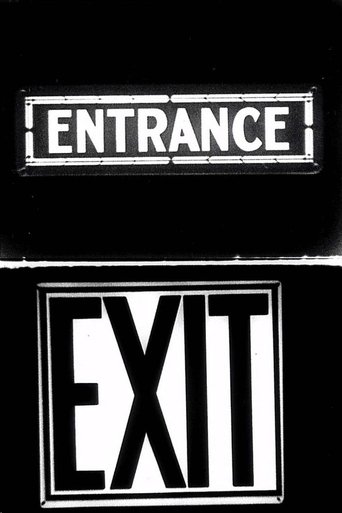 Entrance to Exit · 1966
Entrance to Exit
★ 4.31966
Movie
Features entrance and exit door signs, fading through black and white.
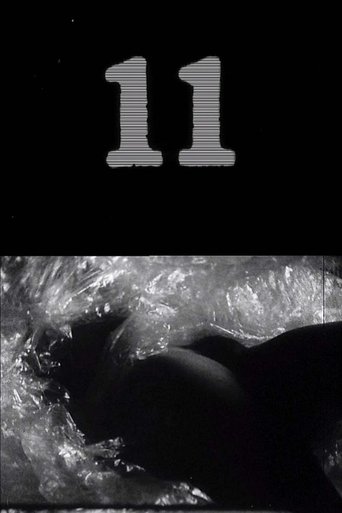 Trace No. 22 · 1966
Trace No. 22
★ 5.21966
Movie
Begins with a picture of Marilyn Monroe, then shifts to a female body, shot from belly button down, which is wriggling under piles of cellophane.
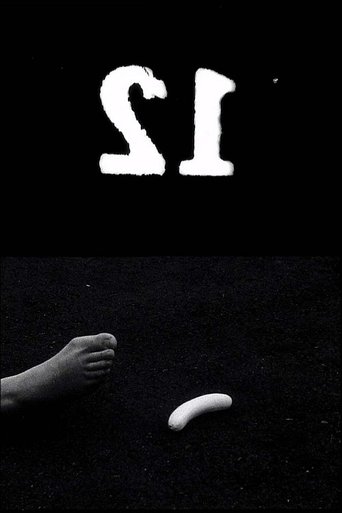 Trace No. 23 · 1966
Trace No. 23
★ 5.91966
Movie
Begins with a shot of a demarcation line on an asphalt tennis court. A hand points to the distant landscape, then numbers 408 and 409 appear on a female torso.
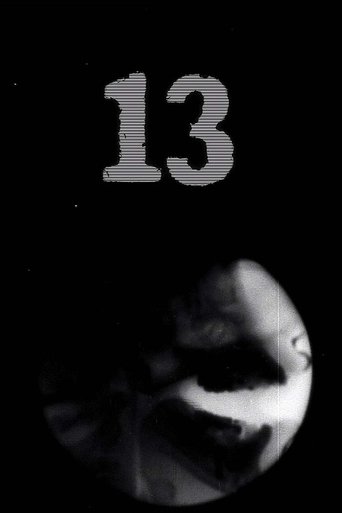 Trace No. 24 · 1966
Trace No. 24
★ 5.01966
Movie
X-ray sequence of mouth and throat; eating, salivating, speaking.
 One · 1966
One
★ 4.01966
Movie
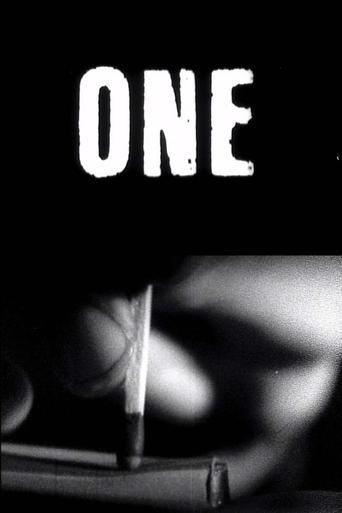
Collected as part of the Fluxfilm Anthology (a multi-reel compendium of 37 short films assembled by Fluxus founder and central operator George Maciunas), One captures the lifespan of a single match recorded at 2,000 frames per second using a 16mm high-speed camera. The frame rate is then decelerated to the standard 24fps for presentation. The film emphasizes each gesture, sway and flare of flame as the small pinewood carrier ignites across the landscape of the filmstrip and screen, signalling the drama and poetics of this ”minor” event before the fire is extinguished. One also stands as an unassuming beacon, immortalizing on film the essence of some of Ono’s early concerns as an artist. At the slightest touch of fire, they burst into flame. Strike everywhere. Strike often.
 No. 4 · 1966
No. 4
★ 2.91966
Movie
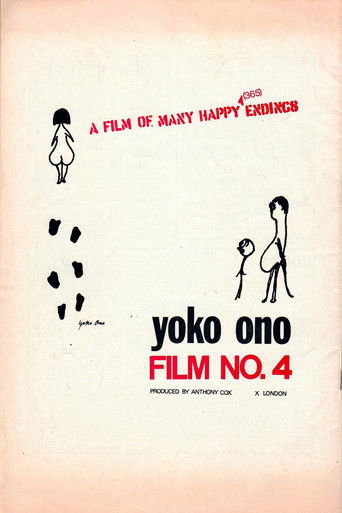
This film consists entirely of close ups of famous persons' bottoms. Ono meant it to encourage a dialogue for world peace.
 5 O'Clock in the Morning · 1966
5 O'Clock in the Morning
★ 4.51966
Movie
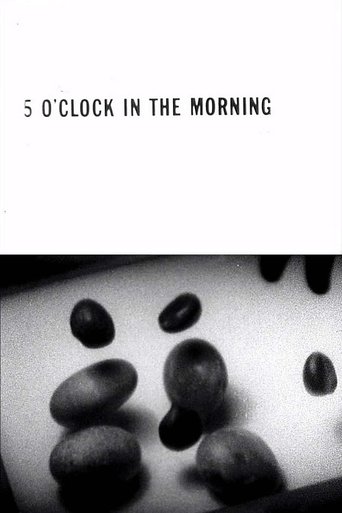
A handful of rocks and chestnuts falling, filmed with high speed camera.
 Smoking · 1966
Smoking
★ 4.91966
Movie
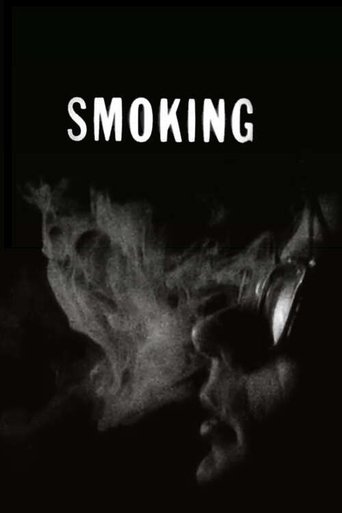
Shot at 2,000 frames per second, this short shows a man exhaling smoke in incredibly slow motion.
 Opus 74, Version 2 · 1966
Opus 74, Version 2
★ 4.81966
Movie
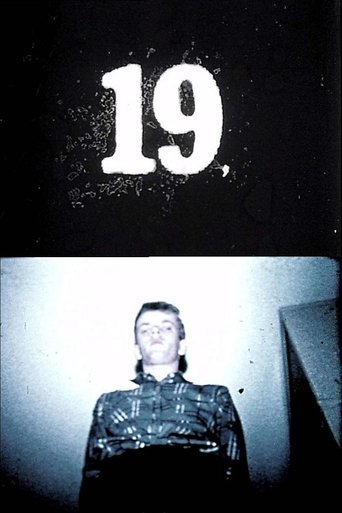
Single frame exposures, color. Different image each frame, various items in the room, etc.
 Artype · 1966
Artype
★ 5.71966
MovieAnimation
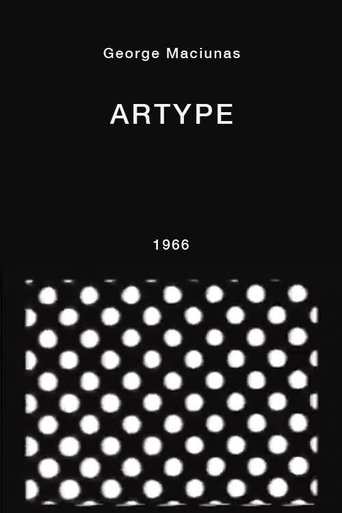
Artype patterns, intended for loops. Benday dot patterns. Dots, lines. Screens, wavy lines, parallel lines, etc. on clear film. No camera.
 Fluxfilm No. 21 · 1966
Fluxfilm No. 21
1966
MovieDocumentary
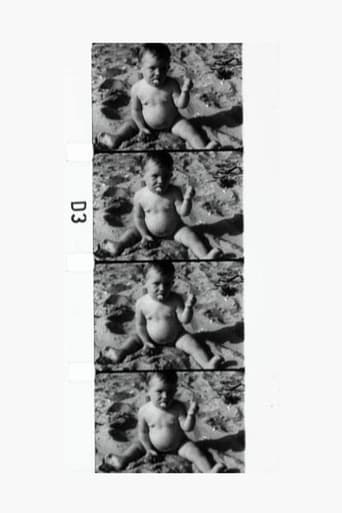
This is fluxfilm No. 21 and without a title
 Shout · 1966
Shout
★ 5.01966
Movie
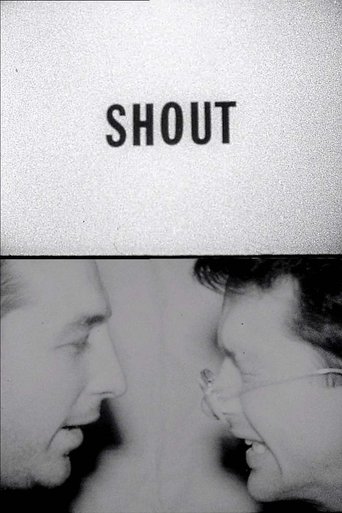
Close-ups of two faces, shouting at each other.
 Readymade · 1966
Readymade
★ 5.81966
Movie
Color test strip from developing tank.
 The Evil Faerie · 1966
The Evil Faerie
★ 5.21966
Movie
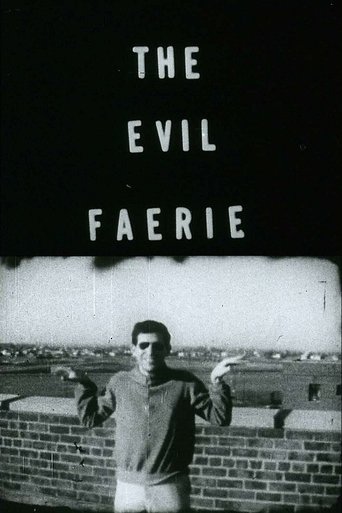
Following a series of title cards, a man in sunglasses briefly flutters his hands like fairy. Owen Land states that this film was not made by George Landow, and believes it should be credited to John Cavanaugh. "George Maciunas had a number of films which didn’t have titles on them. Then he put them together into his Fluxus reel and tried to remember who made them. It was an intentional Fluxus joke." (Owen Land, interview with Mark Webber, 2004)
 Word Movie · 1966
Word Movie
★ 6.81966
Movie
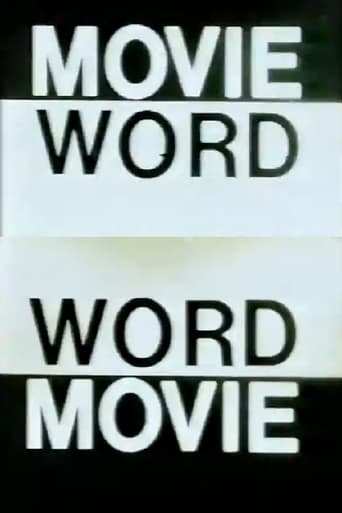
Single frame exposures of words.
 Dance · 1966
Dance
★ 6.01966
Movie
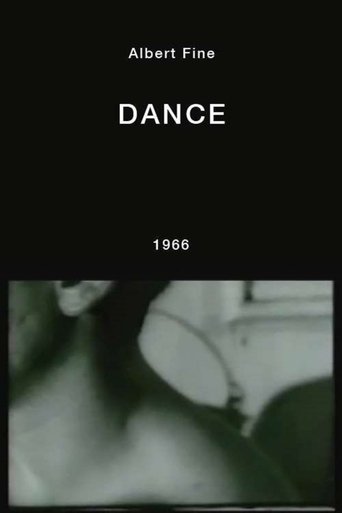
"Face Smiling. Hammering a brick. CU of an ear (moving?). Face twitching. Dancing on one leg. Rolls, twitches on the floor. Boxes the wall."
 Police Car · 1966
Police Car
★ 6.01966
Movie
Cale makes a short film called Police Car. No sound, and it is in black & white. Part #31 in the Fluxus Film series.
 Je ne vois rien, je n'entends rien, je ne dis rien · 1966
Je ne vois rien, je n'entends rien, je ne dis rien
★ 4.51966
Movie
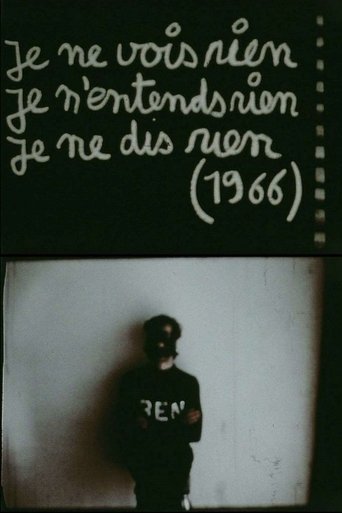
Seeing, Hearing, Saying Nothing. Ben stands with ears, eyes, mouth bandaged.
 Faire un effort · 1969
Faire un effort
★ 4.31969
Movie
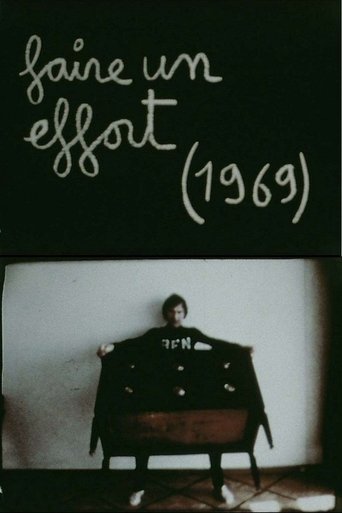
Lifting and holding up a chest of drawers.
 Fluxfilm No. 36 · 1970
Fluxfilm No. 36
★ 5.01970
Movie
Tips of feet walking at the edge of frame, all around the frame.
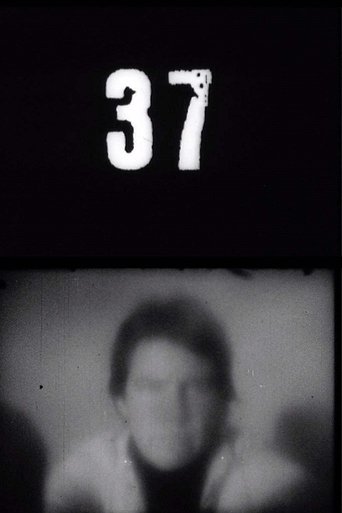 Fluxfilm No. 37 · 1970
Fluxfilm No. 37
★ 5.01970
Movie
Face going out of focus by layering sheets of plastic between camera and subject.
More from Paul SharitsSee all →
 Wintercourse · 1962
Wintercourse
★ 7.41962
MovieDocumentary
Discovered in summer of 1985, of a set of “haiku-imagistic films” I did before coming to my characteristic style, as in Ray Gun Virus; I thought I’d destroyed all these pre-pure films, in about 1969-1970, the time of my separation from my first marriage. The film concerns my marriage, which lasted seven years; it was shot during its first year, when I was a painting student at the University of Denver. It is full of apprehensions, in a montage style which counterposes “opposites”: sexuality and religion; seasonal opposites; hopefulness undercut by fears of eventual separation (the image of a statue of two women, arm in arm, reading a book). I find it visually and kinetically interesting, after all these years. (Paul Sharits) —Canyon Cinema
 Tails · 1976
Tails
★ 7.21976
Movie
A series of tail ends of varied strips of film, with sometimes recognizable images dissolving into light flares, appear to run through and off of a projector. A romantic "narrative," suggesting an "ending," is inferred. This film can be projected at either sound speed (3 minutes) or silent speed (5 minutes).
Word Movie · 1966Word Movie
★ 6.81966
Movie
Single frame exposures of words.
Wrist Trick · 1965Wrist Trick
★ 6.81965
Movie
Various gestures of hand held razorblade, single frame exposures.
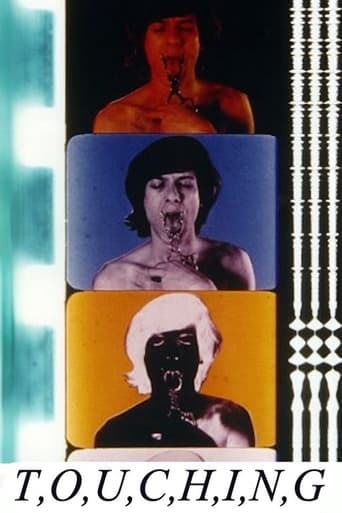 T,O,U,C,H,I,N,G · 1969
T,O,U,C,H,I,N,G
★ 5.81969
MovieDrama
T,O,U,C,H,I,N,G uses flickering frames of solid color juxtaposed with positive and negative still images of a man—sometimes cutting off his own tongue with glitter-covered scissors, sometimes suffering a series of glitter-stained fingernail scratches across the face. Other rapidly alternating still images of eye surgery and a couple in the midst of intercourse. The soundtrack is a continuous looped recording of the word "destroy" over the entire length of the film.
 Bad Burns · 1982
Bad Burns
★ 5.31982
MovieAnimation
Two reels of mis-takes in shooting Part II of 3RD DEGREE; Film was loaded in camera improperly and the image slides about off-center and becomes blurred, creating some rather amusing and mysterious imagery. A made “found” object.
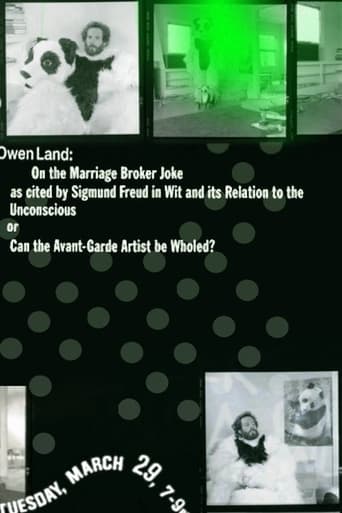 On the Marriage Broker Joke as Cited by Sigmund Freud in Wit and Its Relation to the Unconscious, or Can the Avant-Garde Artist Be Wholed? · 1977
On the Marriage Broker Joke as Cited by Sigmund Freud in Wit and Its Relation to the Unconscious, or Can the Avant-Garde Artist Be Wholed?
★ 5.11977
MovieDocumentary
“Freud established that jokes were structurally akin to dreams in their use of condensation, displacement, representation by opposites, punning and ‘nonsense’. All of these strategies are much in evidence in (Land’s) marvelously duplicitous ON THE MARRIAGE BROKER JOKE… [...] so clever and original a filmmaker as to make most others – not to mention his critics – seem flat-footed by comparison. ON THE MARRIAGE BROKER JOKE harks back to Bunuel’s early work. Not only is it structured like a dream and filled with sexual imagery, but like Un Chien Andalou, it smacks of being an insider’s joke played upon the avant-garde. Where Bunuel used the insights of psychoanalysis to satirize Christianity, Land– with an almost equal perversity – reverses the process and uses Christianity to send up Freud.” – J. Hoberman, American Film
 Cinématon · 1978
Cinématon
★ 4.91978
MovieDocumentary
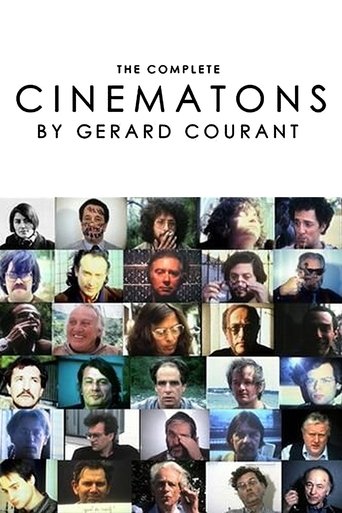
Cinématon is a 156-hour long experimental film by French director Gérard Courant. It was the longest film ever released until 2011. Composed over 36 years from 1978 until 2006, it consists of a series of over 2,821 silent vignettes (cinématons), each 3 minutes and 25 seconds long, of various celebrities, artists, journalists and friends of the director, each doing whatever they want for the allotted time. Subjects of the film include directors Barbet Schroeder, Nagisa Oshima, Volker Schlöndorff, Ken Loach, Benjamin Cuq, Youssef Chahine, Wim Wenders, Joseph Losey, Jean-Luc Godard, Samuel Fuller and Terry Gilliam, chess grandmaster Joël Lautier, and actors Roberto Benigni, Stéphane Audran, Julie Delpy and Lesley Chatterley. Gilliam is featured eating a 100-franc note, while Fuller smokes a cigar. Courant's favourite subject was a 7-month-old baby. The film was screened in its then-entirety in Avignon in November 2009 and was screened in Redondo Beach, CA on April 9, 2010.
 Razor Blades · 1968
Razor Blades
★ 4.91968
MovieDrama
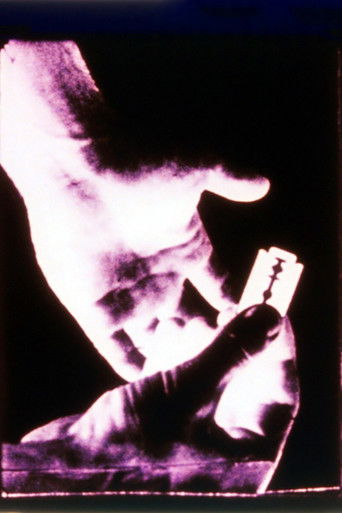
In Razor Blades, Paul SHARITS consciously challenges our eyes, ears and minds to withstand a barrage of high powered and often contradictory stimuli. In a careful juxtaposition and fusion of these elements on different parts of our being, usually occurring simultaneously, we feel at times hypnotised and re-educated by some potent and mysterious force.
 S:TREAM:S:S:ECTION:S:ECTION:S:S:ECTIONED · 1971
S:TREAM:S:S:ECTION:S:ECTION:S:S:ECTIONED
★ 4.31971
MovieAnimation
Streaming, scratched lines continuously appear two at a time over images of flowing water.
 Unrolling Event · 1965
Unrolling Event
★ 4.21965
Movie
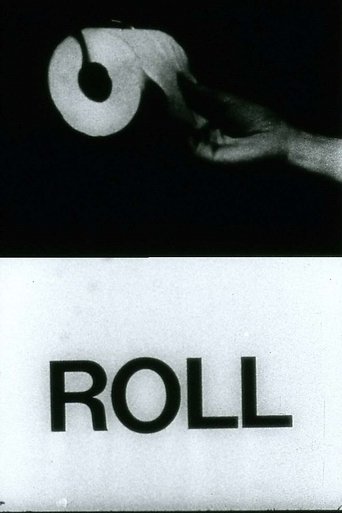
Toilet paper event, single frame exposures.
 Sound Strip/Film Strip · 1972
Sound Strip/Film Strip
★ 3.01972
Movie
Sound Strip / Film Strip is Paul Sharits' first "Locational" work, made in collaboration with Bill Brand. The piece was commissioned for the 1972 opening exhibition of the Contemporary Arts Museum, Houston,Texas. “...Sound Strip / Film Strip consists of four film loops simultaneously projected sideways so that the four images abut one another horizontally. Sharits made each loop by filming colored surfaces, scratching the film, projecting it so that the sprocket holes showed on the screen; he then filmed that projection, scratched the result, and projects that as the final object. The resulting image is a continuous flicker of various color ranges with both actual and ‘virtual’ scratches and sprocket holes running horizontally (normally vertically) across the screen. Thus, Sharits is working with filmic abstraction which employs no image save for that inherent in the medium itself....”
 Fluxfilm Anthology 1962-1970 · 2010
Fluxfilm Anthology 1962-1970
2010
MovieDocumentaryFantasy
Feature-length compilation program presenting 37 out of 41 original fluxfilms produced and directed in the 1960s by Fluxus artists, including George Maciunas, Nam June Paik, Yoko Ono, Robert Watts, Paul Sharits, et al.
 Home Movies 1971-81 · 1985
Home Movies 1971-81
1985
MovieDocumentary
Home movies shot on Super 8mm by W+B Hein over 10 years.
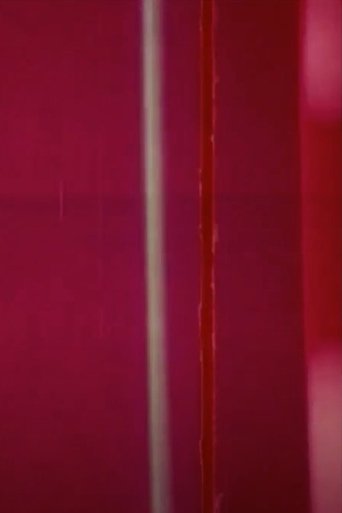 Inferential Current · 1971
Inferential Current
1971
Movie
A mapping of an image of the linear passage of '16mm film frames' and 'emulsion scratches' onto actual 16mm film strip (the unperceived film 'print')/the aural word 'miscellaneous' is extended to a length of 8 minutes by serial fragmentation, looping, staggering and overlaying/a variational but non-developmental strand thru time.
 3rd Degree · 1982
3rd Degree
1982
Movie
Three-screen film. On the first screen, close-ups of an agitated match in front of a young woman's fearful face. On the soundtrack: matches, warnings of a rattlesnake, the phrase: "Listen, I will not speak." The ribbon runs at variable speeds, sometimes blurring, sometimes slowing down, to stop, on which the image / celluloid begins to fry and to burn, then leaves, runs, stops again, leaves again ... On the second screen we see the first rephotographed; here the "burns" are both fixed or new (a burn in the second degree). On the third screen, we see the second screen rephotographed. The subject of the film is the fragility of the film, as medium, as well as the vulnerability of man. Both the film and the figure resist threats / intimidation / mutilations.
More Like This
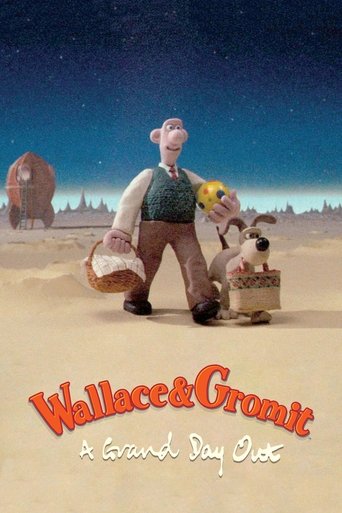 A Grand Day Out · 1990
A Grand Day Out
★ 7.51990
MovieFamilyAnimation
Wallace and Gromit have run out of cheese, and this provides an excellent excuse for the duo to take their holiday to the moon, where, as everyone knows, there is ample cheese.
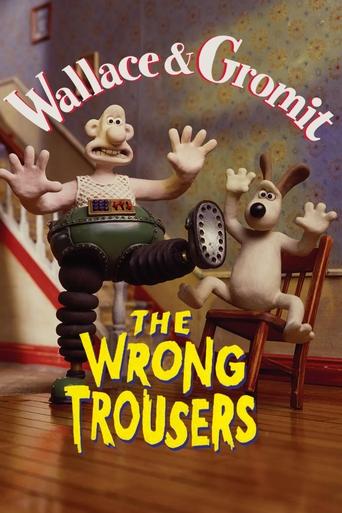 The Wrong Trousers · 1993
The Wrong Trousers
★ 7.81993
MovieAnimationComedy
Wallace rents out Gromit's former bedroom to a penguin, who takes up an interest in the techno trousers created by Wallace. However, Gromit later learns that the penguin is a wanted criminal.
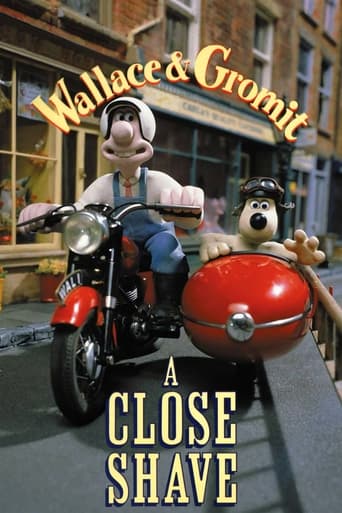 A Close Shave · 1996
A Close Shave
★ 7.61996
MovieFamilyAnimation
Wallace's whirlwind romance with the proprietor of the local wool shop puts his head in a spin, and Gromit is framed for sheep-rustling in a fiendish criminal plot.