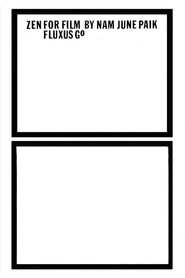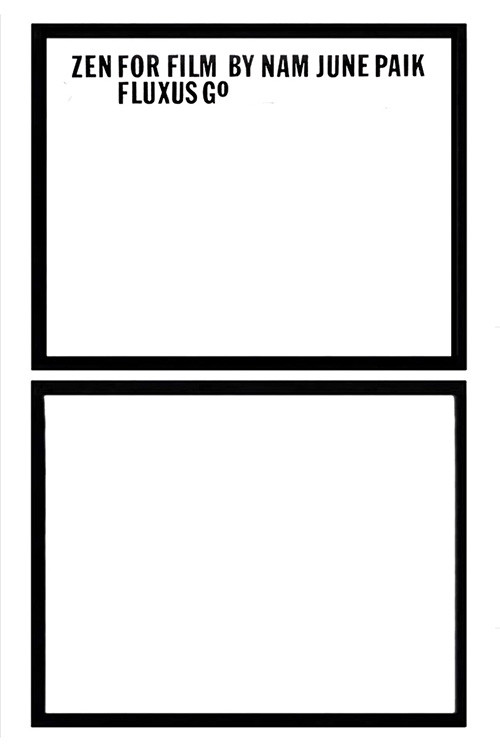
Zen for Film
Fluxfilm No. 1
1964 · 8 min · ★ 5.3
In an endless loop, unexposed film runs through the projector. The resulting projected image shows a surface illuminated by a bright light, occasionally altered by the appearance of scratches and dust particles in the surface of the damaged film material. This a film which depicts only its own material qualities; An "anti-film", meant to encourage viewers to focus on the lack of concrete images.
Directed by Nam June Paik
Your Rating
Make it a double feature
11m together
Both from Nam June Paik.
FluxfilmsSee all →
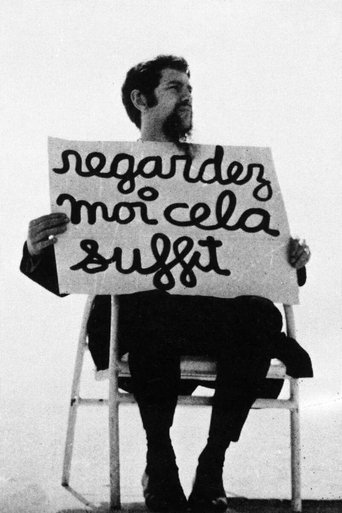 Regardez moi cela suffit · 1962
Regardez moi cela suffit
★ 5.01962
Movie
Sitting on a promenade in nice with a sign: Watch me, that’s all.
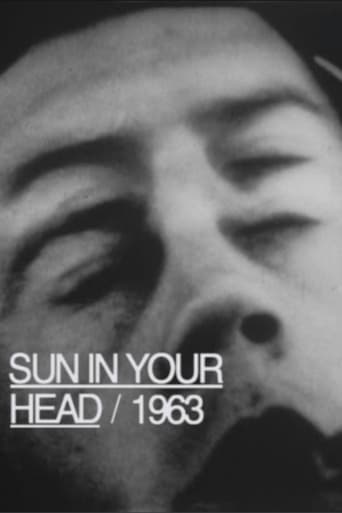 Sun in Your Head · 1963
Sun in Your Head
★ 5.71963
Movie
"Single Frame sequences of TV or film images, with periodic distortions of the image. The images are airplanes, women men interspersed with pictures of texts like: 'silence, genius at work' and 'ich liebe dich.' The end credit is 'Television décollage, Cologne, 1963."
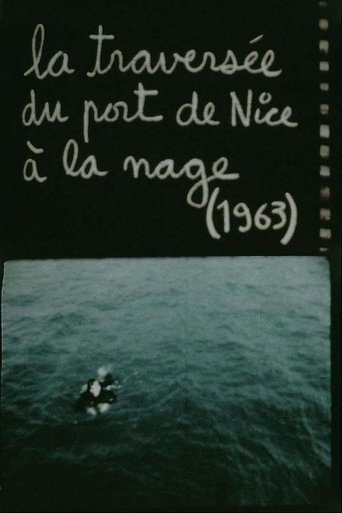 La traversée du port de Nice à la nage · 1963
La traversée du port de Nice à la nage
★ 5.41963
Movie
Swimming across Nice harbour fully clothed. Ben swims across a bay in Nice.
 Sears Catalogue 1-3 · 1965
Sears Catalogue 1-3
★ 6.51965
Movie
Each film frame is a different image from the Sears Roebuck mail order catalogue. The film places pictures of the objects sold by Sears to the consumer society side by side with pictures of female models
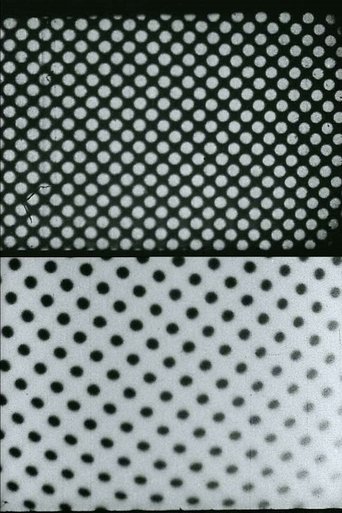 Dots 1 & 2 · 1965
Dots 1 & 2
★ 5.81965
MovieAnimation
Single frame exposures of dot-screens.
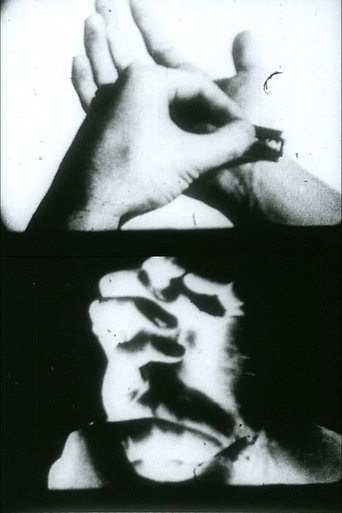 Wrist Trick · 1965
Wrist Trick
★ 6.81965
Movie
Various gestures of hand held razorblade, single frame exposures.
 Invocations of Canyons and Boulders (for Stan Brakhage) · 1966
Invocations of Canyons and Boulders (for Stan Brakhage)
★ 6.01966
Movie
"INVOCATION is Higgins' Satie movie... the purest attempt to clear art from any or all historical, esthetic, thematic, ornamental claptrap to regain the lost-eye consciousness." - Jonas Mekas
 End After 9 · 1966
End After 9
★ 5.81966
Movie
Word & number gag, no camera.
 Disappearing Music for Face · 1966
Disappearing Music for Face
★ 5.01966
Movie
A smile gradually fades into a neutral facial expression.
 Blink · 1966
Blink
★ 5.01966
Movie
Flicker: White and black alternating frames.
 9 Minutes · 1966
9 Minutes
★ 5.01966
Movie
Time counter, in seconds and minutes.
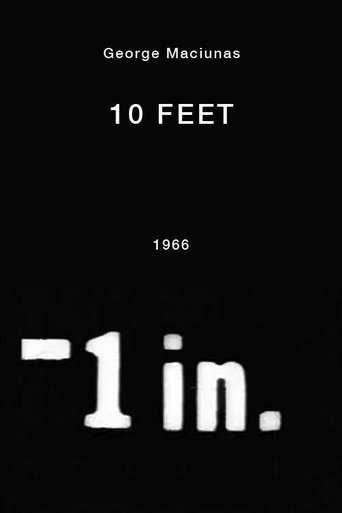 10 Feet · 1966
10 Feet
★ 5.61966
Movie
Prestype on clear film measuring tape, 10ft. length. No camera. At the end of every foot of film numbers appear, 1, 2, etc to 10
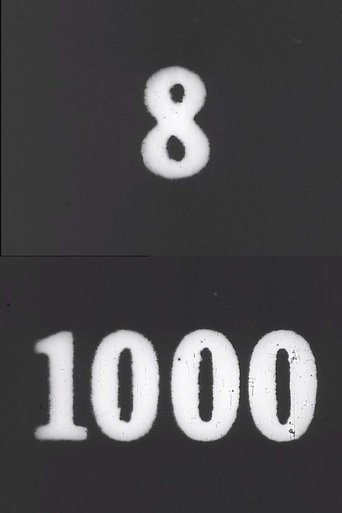 1000 Frames · 1966
1000 Frames
★ 5.51966
Movie
Numerals on clear film from 1 to 1000."
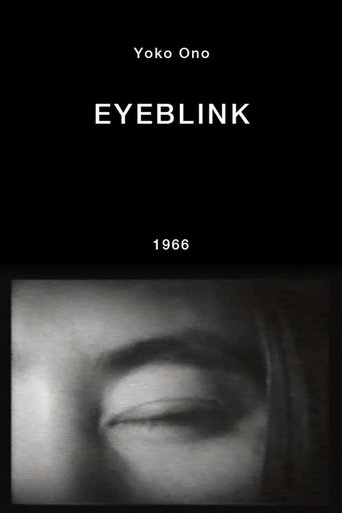 Eyeblink · 1966
Eyeblink
★ 3.81966
Movie
A 16 mm film, featuring Yoko Ono's own eye slowly blinking, shot by Peter Moore with a high-speed camera at 2,000 frames per second, which is projected at normal speed, 24 frames per second, thus creating a slow-motion effect.
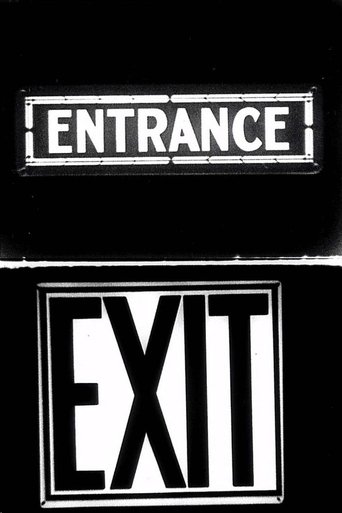 Entrance to Exit · 1966
Entrance to Exit
★ 4.31966
Movie
Features entrance and exit door signs, fading through black and white.
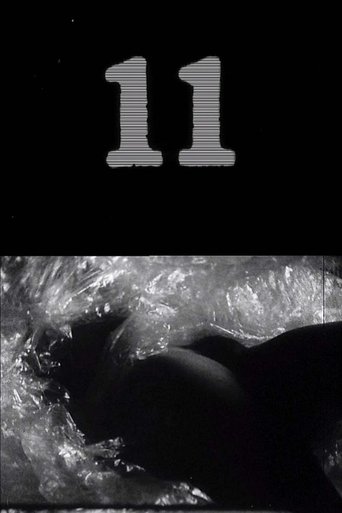 Trace No. 22 · 1966
Trace No. 22
★ 5.21966
Movie
Begins with a picture of Marilyn Monroe, then shifts to a female body, shot from belly button down, which is wriggling under piles of cellophane.
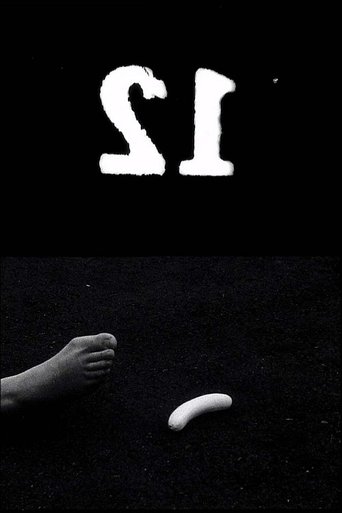 Trace No. 23 · 1966
Trace No. 23
★ 5.91966
Movie
Begins with a shot of a demarcation line on an asphalt tennis court. A hand points to the distant landscape, then numbers 408 and 409 appear on a female torso.
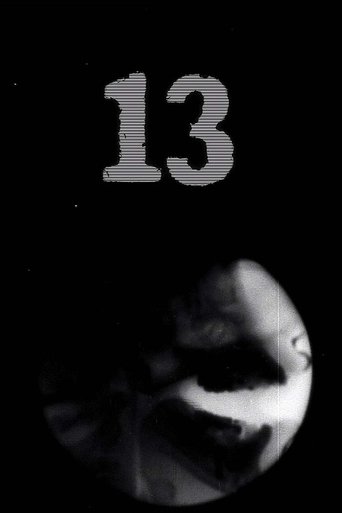 Trace No. 24 · 1966
Trace No. 24
★ 5.01966
Movie
X-ray sequence of mouth and throat; eating, salivating, speaking.
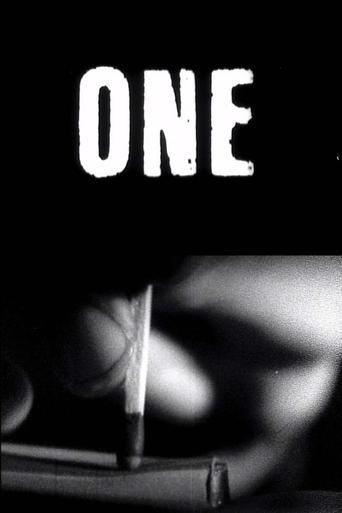 One · 1966
One
★ 4.01966
Movie
Collected as part of the Fluxfilm Anthology (a multi-reel compendium of 37 short films assembled by Fluxus founder and central operator George Maciunas), One captures the lifespan of a single match recorded at 2,000 frames per second using a 16mm high-speed camera. The frame rate is then decelerated to the standard 24fps for presentation. The film emphasizes each gesture, sway and flare of flame as the small pinewood carrier ignites across the landscape of the filmstrip and screen, signalling the drama and poetics of this ”minor” event before the fire is extinguished. One also stands as an unassuming beacon, immortalizing on film the essence of some of Ono’s early concerns as an artist. At the slightest touch of fire, they burst into flame. Strike everywhere. Strike often.
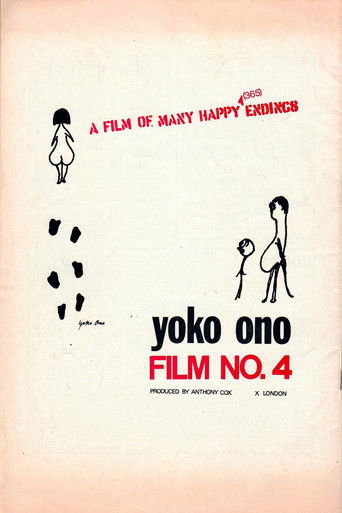 No. 4 · 1966
No. 4
★ 2.91966
Movie
This film consists entirely of close ups of famous persons' bottoms. Ono meant it to encourage a dialogue for world peace.
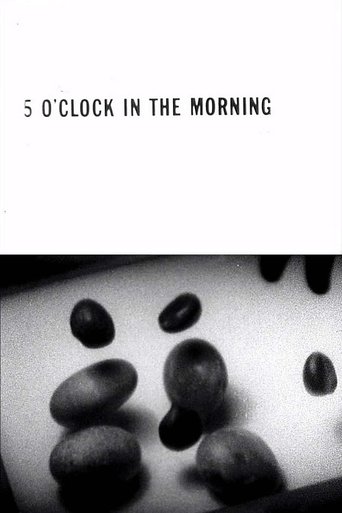 5 O'Clock in the Morning · 1966
5 O'Clock in the Morning
★ 4.51966
Movie
A handful of rocks and chestnuts falling, filmed with high speed camera.
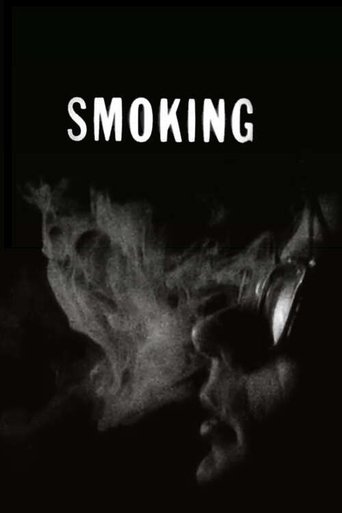 Smoking · 1966
Smoking
★ 4.91966
Movie
Shot at 2,000 frames per second, this short shows a man exhaling smoke in incredibly slow motion.
 Opus 74, Version 2 · 1966
Opus 74, Version 2
★ 4.81966
Movie
Single frame exposures, color. Different image each frame, various items in the room, etc.
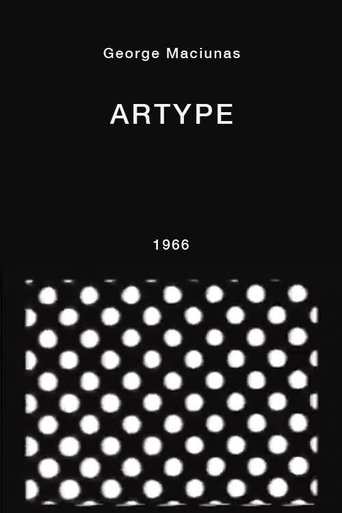 Artype · 1966
Artype
★ 5.71966
MovieAnimation
Artype patterns, intended for loops. Benday dot patterns. Dots, lines. Screens, wavy lines, parallel lines, etc. on clear film. No camera.
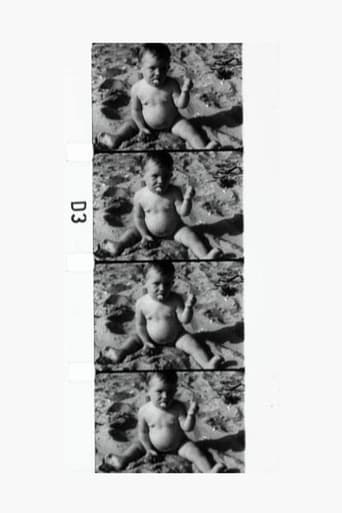 Fluxfilm No. 21 · 1966
Fluxfilm No. 21
1966
MovieDocumentary
This is fluxfilm No. 21 and without a title
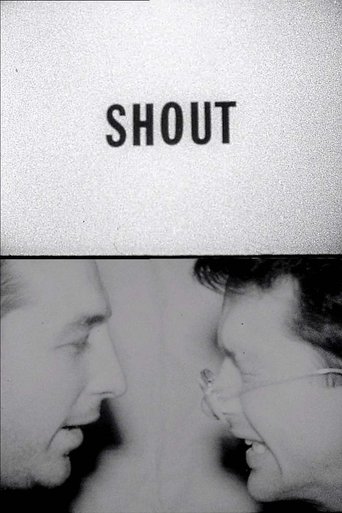 Shout · 1966
Shout
★ 5.01966
Movie
Close-ups of two faces, shouting at each other.
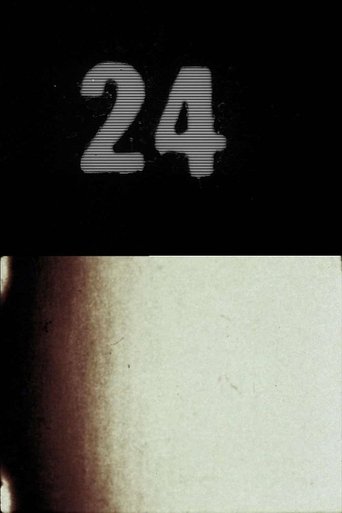 Readymade · 1966
Readymade
★ 5.81966
Movie
Color test strip from developing tank.
 The Evil Faerie · 1966
The Evil Faerie
★ 5.21966
Movie
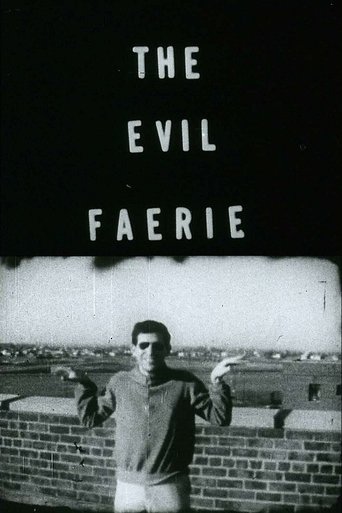
Following a series of title cards, a man in sunglasses briefly flutters his hands like fairy. Owen Land states that this film was not made by George Landow, and believes it should be credited to John Cavanaugh. "George Maciunas had a number of films which didn’t have titles on them. Then he put them together into his Fluxus reel and tried to remember who made them. It was an intentional Fluxus joke." (Owen Land, interview with Mark Webber, 2004)
 Word Movie · 1966
Word Movie
★ 6.81966
Movie
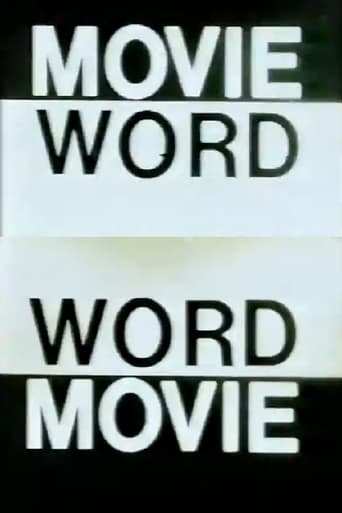
Single frame exposures of words.
 Dance · 1966
Dance
★ 6.01966
Movie
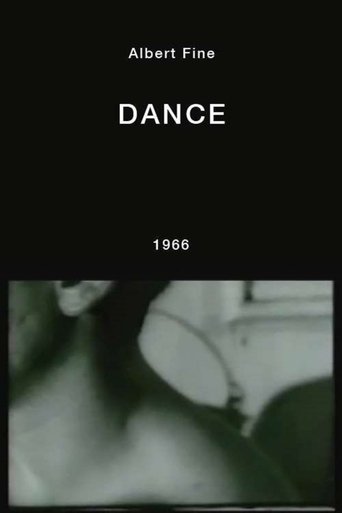
"Face Smiling. Hammering a brick. CU of an ear (moving?). Face twitching. Dancing on one leg. Rolls, twitches on the floor. Boxes the wall."
 Police Car · 1966
Police Car
★ 6.01966
Movie
Cale makes a short film called Police Car. No sound, and it is in black & white. Part #31 in the Fluxus Film series.
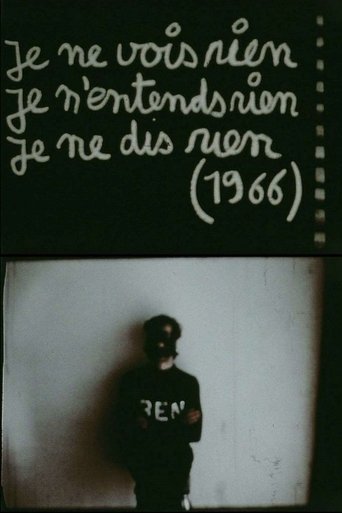 Je ne vois rien, je n'entends rien, je ne dis rien · 1966
Je ne vois rien, je n'entends rien, je ne dis rien
★ 4.51966
Movie
Seeing, Hearing, Saying Nothing. Ben stands with ears, eyes, mouth bandaged.
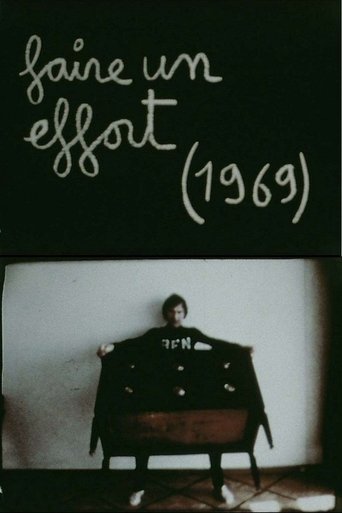 Faire un effort · 1969
Faire un effort
★ 4.31969
Movie
Lifting and holding up a chest of drawers.
 Fluxfilm No. 36 · 1970
Fluxfilm No. 36
★ 5.01970
Movie
Tips of feet walking at the edge of frame, all around the frame.
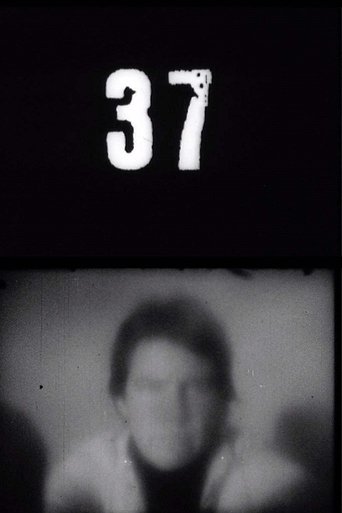 Fluxfilm No. 37 · 1970
Fluxfilm No. 37
★ 5.01970
Movie
Face going out of focus by layering sheets of plastic between camera and subject.
More from Nam June PaikSee all →
 Good Morning, Mr. Orwell · 1984
Good Morning, Mr. Orwell
★ 8.11984
MovieComedyMusic
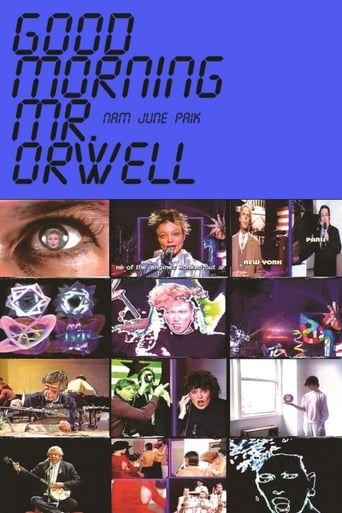
In his book "1984", George Orwell saw the television of the future as a control instrument in the hands of Big Brother. Right at the start of the much-anticipated Orwellian year, Paik and Co. were keen to demonstrate satellite TV's ability to serve positive ends-- Namely, the intercontinental exchange of culture, combining both highbrow and entertainment elements. A live broadcast shared between WNET TV in New York and the Centre Pompidou in Paris, linked up with broadcasters in Germany and South Korea, reached a worldwide audience of over 10 or even 25 million (including the later repeat transmissions).
 Back to Fucking Cambridge · 1987
Back to Fucking Cambridge
★ 8.01987
MovieComedy
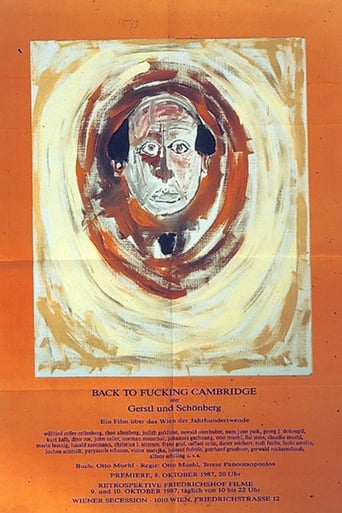
About a group of graduates from Cambridge University who go back to their college to visit a friend who has stayed on there. Otto Muehl founded a community of artists in Vienna in 1970 with the aim of exploring a completely free life practice. Since 1972, this society experiment at the Friedrichshof in Burgenland, 60 kilometers from Vienna, further developed. From the mid-1970s, other municipalities were founded in 30 European cities. At Friedrichshof itself lived at times up to 240 members and visitors.
 Beatles Electroniques · 1968
Beatles Electroniques
★ 8.01968
MovieMusic
Part of a collection of restored early works by Nam June Paik, the haunting Beatles Electronique reveals Paik's engagement with manipulation of pop icons and electronic images. Snippets of footage from the feature film A Hard Day's Night and the "Rain" promotional film are countered with Paik's early electronic processing.
 ‘Rameau’s Nephew’ by Diderot (Thanx to Dennis Young) by Wilma Schoen · 1974
‘Rameau’s Nephew’ by Diderot (Thanx to Dennis Young) by Wilma Schoen
★ 7.81974
MovieComedyMystery
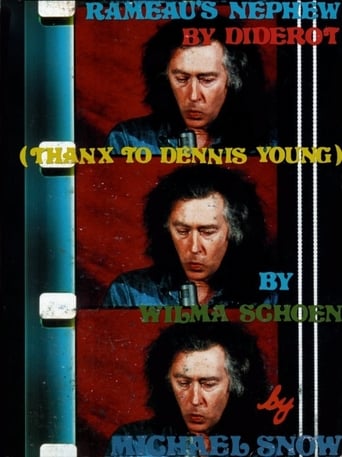
Various unrelated vignettes, often juxtaposing sound and image.
 Electronic Moon No. 2 · 1972
Electronic Moon No. 2
★ 6.51972
MovieScience Fiction
Part of the "Video-Film Concert" collection released by EAI. From 1966 - 1972.
 All Star Video · 1985
All Star Video
★ 6.51985
MovieAnimationDocumentary
A compilation of avant-garde artwork and talent of the mid to late 20th century hosted by Ryuichi Sakamoto.
 "Topless Cellist" Charlotte Moorman · 1995
"Topless Cellist" Charlotte Moorman
★ 5.71995
MovieDocumentary
Nam June Paik's first single-channel videotape since 1989 is a heartfelt tribute to his long-time collaborator Charlotte Moorman. This portrait traces Moorman's career as an avant-garde performer, from her classical training to her notorious arrest as the "Topless Cellist" and subsequent talk-show celebrity. Rare documentations of Moorman's performances include Otto Piene's Sky Kiss and Jim McWilliams' Chocolate Cello. Interviews with Moorman's friends, family and collaborators, such as Yoko Ono, Christo and Jeanne Claude, Otto Piene, and Barbara Moore, among others, provide intimate recollections of the inimitable Moorman.
 Adelic Penguins · 1986
Adelic Penguins
1986
MovieMusic
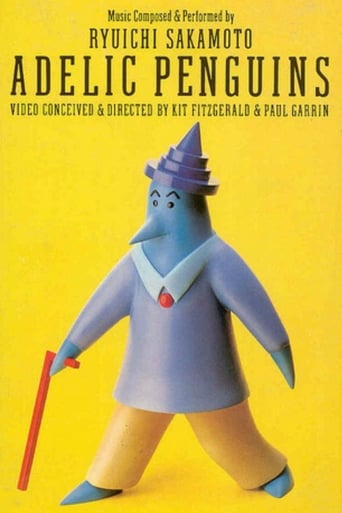
Originally commissioned by the Sony Corporation of Japan and performed live on the JumboTRON, a fourteen-story TV set at the Expo in Tsukuba, Japan, Adelic Penguins is a collaboration between Fitzgerald, artist Paul Garrin, and composer Ryuichi Sakamoto (who also appears as a performer). Structured in six segments, this technical tour-de-force is a pyrotechnic fusion of sound and image, in which the dynamic visual imagery fully complements and heightens Sakamoto's staccato, percussive score. Fitzgerald and Garrin merge terrestrial and interplanetary worlds, in which Sakamoto's figure becomes an integral part of the landscape. Set aloft in the surreal world of the artists' invention, Sakamoto dances, floats and walks through a hyperkinetic universe.
 Laboratorium Anthology · 1999
Laboratorium Anthology
1999
MovieDocumentary
Scenes from the life and work at Anthology Film Archives. Much of the footage in this video was shot by Auguste Varkalis.
 Home Movies 1971-81 · 1985
Home Movies 1971-81
1985
MovieDocumentary
Home movies shot on Super 8mm by W+B Hein over 10 years.
 Fluxfilm Anthology 1962-1970 · 2010
Fluxfilm Anthology 1962-1970
2010
MovieDocumentaryFantasy
Feature-length compilation program presenting 37 out of 41 original fluxfilms produced and directed in the 1960s by Fluxus artists, including George Maciunas, Nam June Paik, Yoko Ono, Robert Watts, Paul Sharits, et al.
 The Medium Is the Medium · 1969
The Medium Is the Medium
1969
MovieTV Movie
Produced by WGBH-TV in Boston, the Medium Is the Medium is one of the earliest and most prescient examples of the collaboration between public television and the emerging field of video art in the U.S. WGBH commissioned artists — Allan Kaprow, Nam June Paik, Otto Piene, James Seawright, Thomas Tadlock and Aldo Tambellini — to create original works for broadcast television. Their works explored the parameters of the new medium, from image processing and interactivity to video dance and sculpture.
 Hi-Red Centre Shelter Plan · 1964
Hi-Red Centre Shelter Plan
1964
Movie
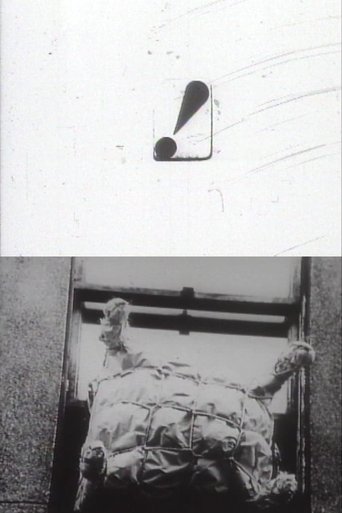
Hi-Red Centre were comprised of Genpei Akasegawa, Natsuyuki Nakanishi and Jiro Takamatsu, who enacted ‘happening’-style performance art in unusual spaces during the early 1960s in Japan. The film is an extremely rare document of one of their early events, where they hired out a room in the Imperial Hotel and invited many friends and professionals in the art scene to participate in the occasion. The performance parodies Cold War fears and the construction of private bomb-shelters, as they diligently measure each guest’s weight and proportions in pretence that they are to build human-size shelters for each individual. Key figures of the art scene make an appearance, including Yoko Ono, video-artist Nam June Paik, noise artist Yasunao Tone, filmmaker Masao Adachi and graphic designer Tadanori Yokoo. A rarely seen and exceptional insight into the Japanese art scene of the era, Jonouchi records the event in his characteristically erratic style.
 Tapes · 2020
Tapes
2020
MovieDocumentary
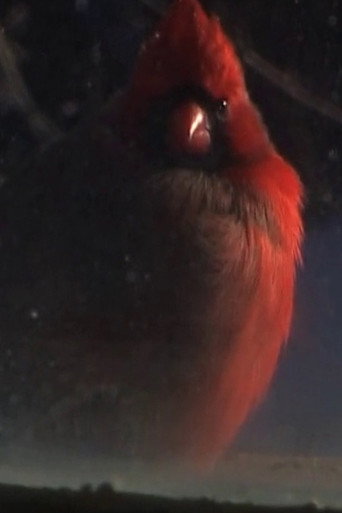
The tapes in the program consist of some of Mekas’ earliest cassettes from the 1990s not long after he first began working with video as well as more recent mini-DV tapes from 2010s. The contents of the tapes have not been previously seen in their entirety. The footage provides rare insight into aspects of Mekas’ video-making practice, as well as his activities, thoughts, dreams, and concerns, especially during the later years of his life.
 TV Garden · 1974
TV Garden
1974
Movie
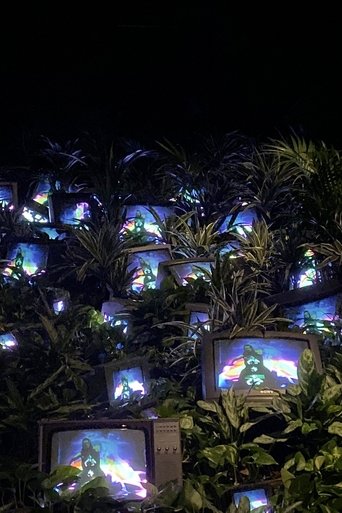
TV Garden is Paik’s imagined future landscape where technology is an integral part of the natural world. Placing television sets amongst live plants, he creates an environment in which the seemingly distinct realms of electronics and nature coexist. His approach follows the Buddhist philosophy that everything is interdependent. It also suggests that technology is not in conflict with nature but an extension of the human realm.
 Button Happening · 1965
Button Happening
1965
Movie
Button Happening is Nam June Paik's earliest extant tape, and possibly his first tape ever. Recorded in 1965 on the day he acquired his first Sony Portapak camera, this previously unknown work has recently been rediscovered and restored. Recorded on computer tape, this technically fragile piece documents a single performance action — Paik buttoning and unbuttoning his jacket. A spirit of conceptual Fluxus humor underlies this seminal recording.
More Like This
Couldn't load this row right now.