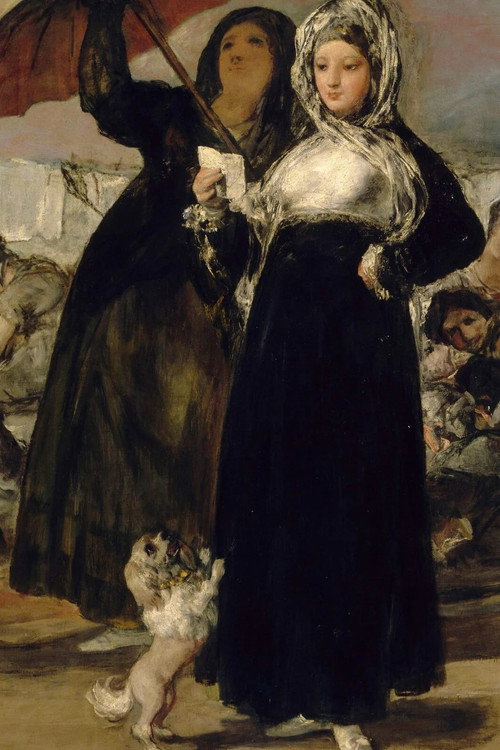
Francisco de Goya « La Lettre, la Flèche et le Balai »
Why have these two paintings, The Young Women and The Old Women, always been presented together? Historical investigation does not provide an answer. Alain Jaubert then sets out to follow the trail, patiently gathering clues: both paintings depict a lady and her servant. But while in The Young Women a “maja” is shown in a street scene that seems to belong to the European literary tradition, in The Old Women, Goya portrays an aging coquette and her servant, rendered as caricatures. The diamond arrow worn by the coquette is a clue that helps interpret these two paintings... As this “audiovisual autopsy” unfolds, the works come together to form a kind of fable about destiny—both that of Spain, devastated by the Napoleonic wars, and that of the painter himself, aged and disillusioned, who finds renewed energy in a new love.
Directed by Alain Jaubert
More from Alain JaubertSee all →
 Lascaux: The Prehistory of Art · 1995
 Palettes · 1995
 Le Dernier Regard – L’Européenne, portrait du Fayoum · 1998
 Pompéi « Cérémonies secrètes » · 2002
 Shitao « L’Unique trait de pinceau » · 1999
 Miniature persane « Les Jardins du Paradis » · 1997
 Pablo Picasso « Les couleurs de la passion » · 1993
 Henri de Toulouse-Lautrec « Une légende fin de siècle » · 1992
 Hokusai « La Menace suspendue » · 1999
 Duchamp. Le temps spirale · 1993
 Le siècle d'or des Pays-Bas · 2002
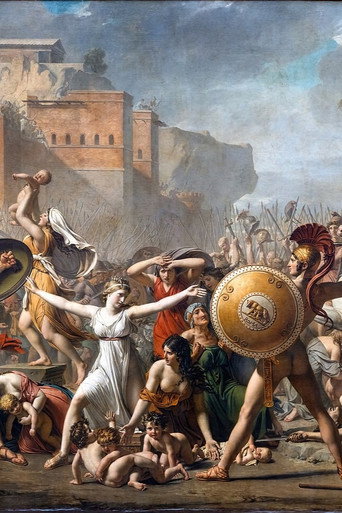 Louis David « Une révolution à l’antique »
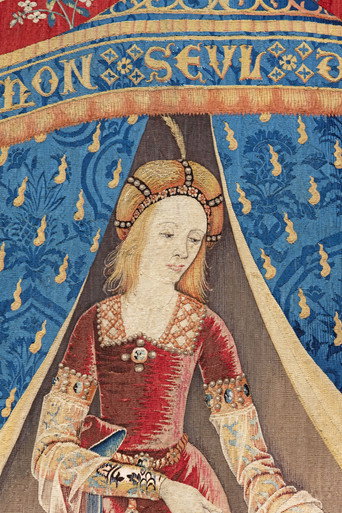 La Dame à la Licorne « Le sixième sens » · 1997
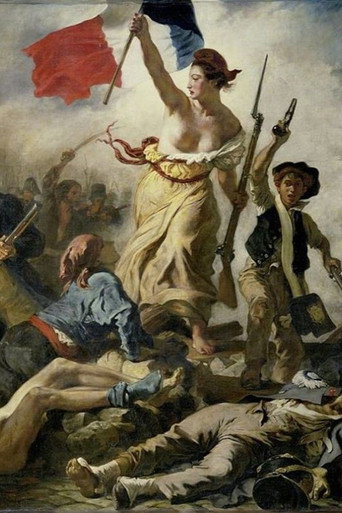 Delacroix « Sous les pavés l’image » · 1989
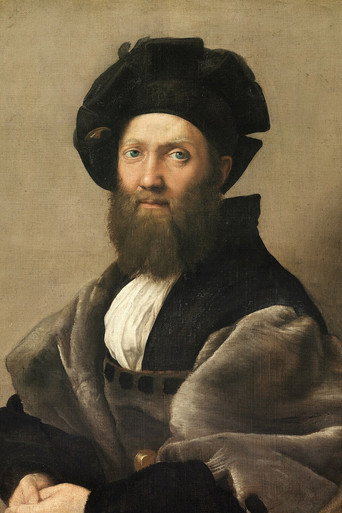 Rafaello Sanzio dit Raphaël « Portrait de l’ami en homme de cour, Portrait de Baldassare Castiglione » · 1994
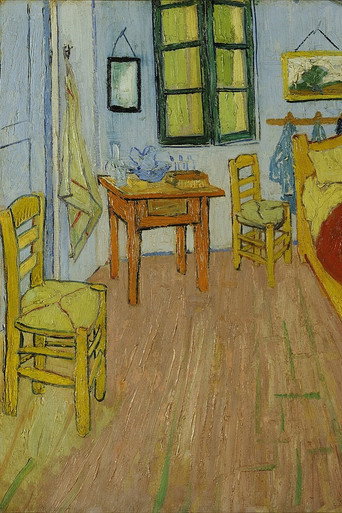 Van Gogh « La haute note jaune » · 1994
More Like This
Couldn't load this row right now.
