Directing
Nam June Paik
Born July 20, 1932 · Gyeongseong, South Korea [now Seoul]
Died January 29, 2006 · aged 73
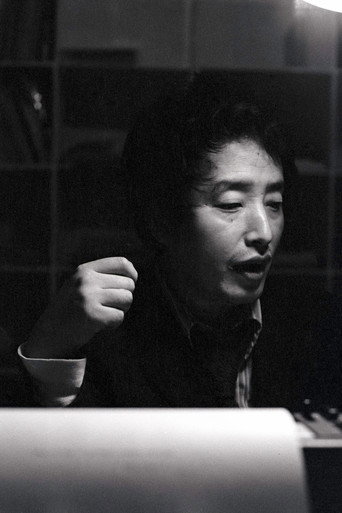
Nam June Paik was the first video artist who experimented with electronic media and made a profound impact on the art of video and television. He coined the phrase "Information Superhighway" in 1974, and has been called the "father of video art."
Known For
 Laboratorium Anthology · 1999
Laboratorium Anthology
1999
MovieDocumentary
Scenes from the life and work at Anthology Film Archives. Much of the footage in this video was shot by Auguste Varkalis.
 Tapes · 2020
Tapes
2020
MovieDocumentary
The tapes in the program consist of some of Mekas’ earliest cassettes from the 1990s not long after he first began working with video as well as more recent mini-DV tapes from 2010s. The contents of the tapes have not been previously seen in their entirety. The footage provides rare insight into aspects of Mekas’ video-making practice, as well as his activities, thoughts, dreams, and concerns, especially during the later years of his life.
 Adelic Penguins · 1986
Adelic Penguins
1986
MovieMusic
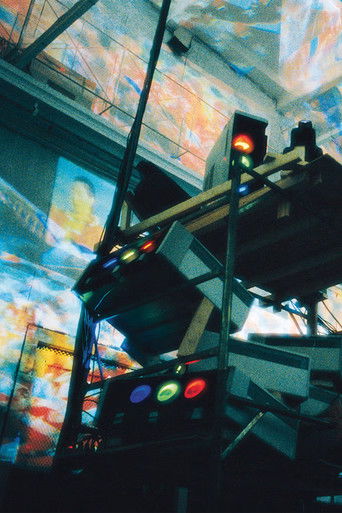
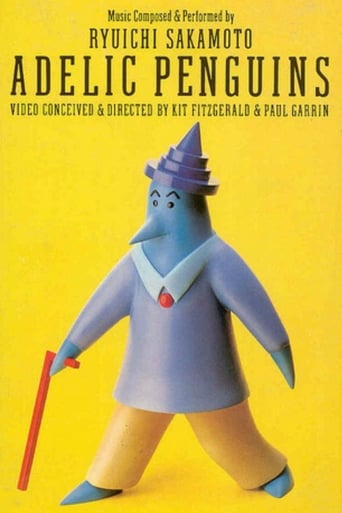
Originally commissioned by the Sony Corporation of Japan and performed live on the JumboTRON, a fourteen-story TV set at the Expo in Tsukuba, Japan, Adelic Penguins is a collaboration between Fitzgerald, artist Paul Garrin, and composer Ryuichi Sakamoto (who also appears as a performer). Structured in six segments, this technical tour-de-force is a pyrotechnic fusion of sound and image, in which the dynamic visual imagery fully complements and heightens Sakamoto's staccato, percussive score. Fitzgerald and Garrin merge terrestrial and interplanetary worlds, in which Sakamoto's figure becomes an integral part of the landscape. Set aloft in the surreal world of the artists' invention, Sakamoto dances, floats and walks through a hyperkinetic universe.
 Home Movies 1971-81 · 1985
Home Movies 1971-81
1985
MovieDocumentary
Home movies shot on Super 8mm by W+B Hein over 10 years.
 Fluxfilm Anthology 1962-1970 · 2010
Fluxfilm Anthology 1962-1970
2010
MovieDocumentaryFantasy
Feature-length compilation program presenting 37 out of 41 original fluxfilms produced and directed in the 1960s by Fluxus artists, including George Maciunas, Nam June Paik, Yoko Ono, Robert Watts, Paul Sharits, et al.
 Living with the Living Theatre · 1989
Living with the Living Theatre
1989
Movie
One of Paik's most compelling and poignant tapes, Living with the Living Theatre pays tribute to Judith Malina and the late Julien Beck, founder of the Living Theatre. Reversing the theme of the earlier Allan 'n' Allen's Complaint, which dealt with two artists and their relationships to their fathers, Paik explores Malina and Beck's relationship to their children. Interviews provide the memories of actual lives lived together, while Betsy Connors' animated sequences transcend the specific to suggest the universality of childhood. Garrin and Paik edit these elements into an electronic synthesis that is at times dizzyingly psychedelic and always affectionate towards its subjects. Infused with personal and cultural memories that evoke time and place — Janis Joplin concert footage, Living Theatre performances — Paik creates a haunting and deeply moving homage.
 Good Morning, Mr. Orwell · 1984
Good Morning, Mr. Orwell
★ 8.11984
MovieComedyMusic
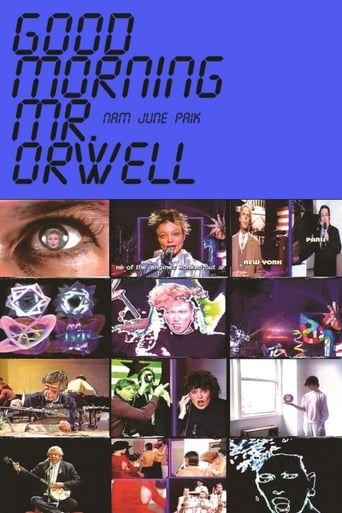
In his book "1984", George Orwell saw the television of the future as a control instrument in the hands of Big Brother. Right at the start of the much-anticipated Orwellian year, Paik and Co. were keen to demonstrate satellite TV's ability to serve positive ends-- Namely, the intercontinental exchange of culture, combining both highbrow and entertainment elements. A live broadcast shared between WNET TV in New York and the Centre Pompidou in Paris, linked up with broadcasters in Germany and South Korea, reached a worldwide audience of over 10 or even 25 million (including the later repeat transmissions).
 Allan ‘n Allen’s Complaint · 1982
Allan ‘n Allen’s Complaint
1982
Movie
The influence of Jewish fathers on their sons and the complexity of familial relationships are explored in a witty, poignant portrait of two artists. Beat poet Allen Ginsberg (whose father Louis was a poet in his own right) and performance artist/sculptor Allan Kaprow (whose father is a high-powered lawyer) are the sons who struggle with and against the influences of these patriarchal figures.
Filmography
Sort