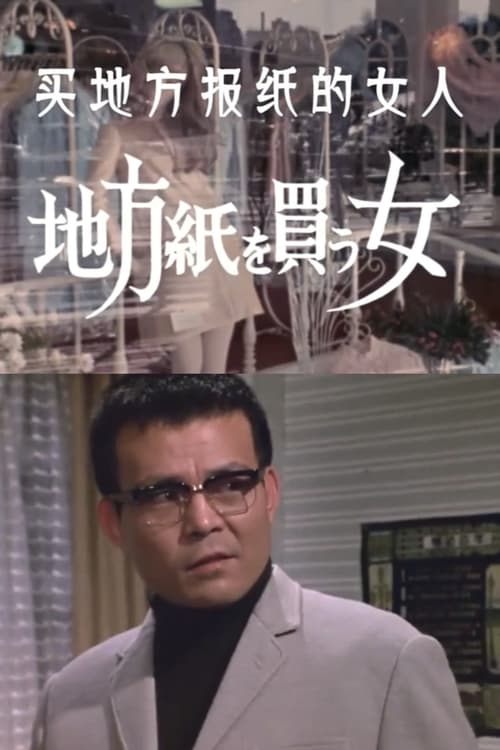
The Woman Who Took the Local Paper

The Woman Who Took the Local Paper

1973 · TV Movie, Horror

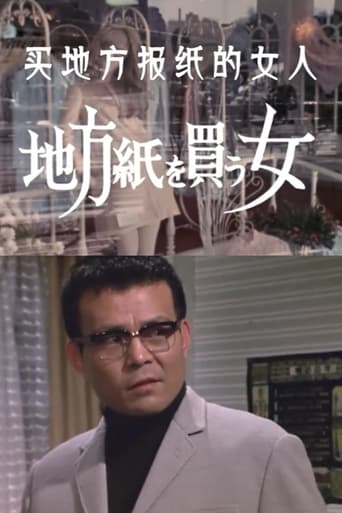
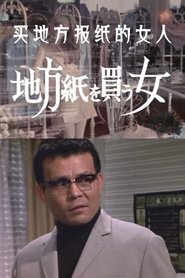
Based on the original mystery novel by Seicho Matsumoto. Novelist Ryuji Sugimoto is publishing his serial in a local newspaper when a woman from Tokyo subscribes, saying she’s interested in his work—only to abruptly cancel weeks later. Suspicious, he realizes her true interest may not be the fiction at all, but a real double suicide reported in the same paper.

Directed by Tokihisa Morikawa · Written by Mieko Osanai

Your Rating

Cast
Make it a double feature

The Woman Who Took the Local Paper
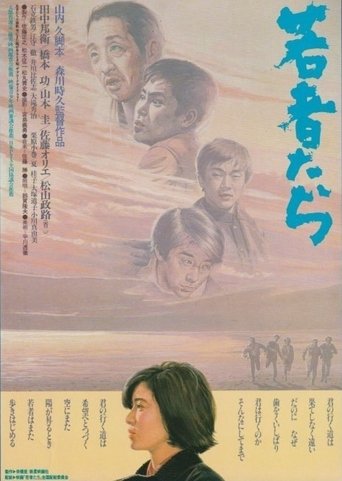
Young People

Both from Tokihisa Morikawa.

Horror Theater UnbalanceSee all →

A Mummy’s LoveA Mummy’s Love · 1973
A Mummy’s Love
8.01973
MovieHorrorComedy
In post-war Japan, a publisher goes to visit her former teacher for help on a modern translation of a legend about a mummified Buddhist monk who was revived and who, centuries later, turned into a sex demon who terrorized a village in pre-modern Japan.
A Woman Who Warns of DeathA Woman Who Warns of Death · 1973
A Woman Who Warns of Death
1973
MovieTV MovieHorror
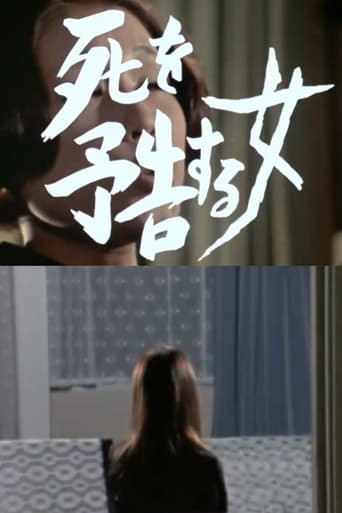
A successful lyricist, Sakumaki (Yukio Ninagawa), lives with his partner Kazue (Keiko Fujita) and their daughter, though he has always kept an emotional distance from them. One night, he returns home to find a mysterious woman in black (Yuko Kusunoki) waiting in his apartment. She calmly tells him that he will die the next night at precisely 12:13 a.m. Shaken, Sakumaki flees, only to discover the same woman appearing wherever he goes. As her presence grows more menacing and unexplainable, his fear spirals into paranoia. Directed by Toshiya Fujita, the episode blends domestic drama with supernatural dread, blurring the line between hallucination and reality. With Ninagawa in a rare starring role, supported by Ichiro Zaitsu and Akira Nagoya, the story pushes its protagonist into a psychological nightmare where fate, guilt, and obsession collide.
The Killing GameThe Killing Game · 1973
The Killing Game
1973
MovieHorrorTV Movie
A middle-aged office worker, Masao Okada (Eiji Okada), discovers that his worsening illness is terminal cancer. Shaken and resigned, he meets a mysterious man, Suzuki (Haruo Tanaka), who knows every detail of his life. Also a dying patient, Suzuki proposes a “game”: two men with little time left will live in suspense, wondering when and how the other might kill, using paranoia as a way to escape the greater fear of death. Directed by Yasuharu Hasebe and based on a story by Kyotaro Nishimura, this short TV film from "Horror Theater Unbalance" blends psychological dread with social reflection. Alongside Okada’s fragile romance with nurse Akiko (Masumi Harukawa), the story introduces a nihilistic subplot where a reckless young couple (Renji Ishibashi among them) engage in a fatal dare that ends in self-destruction — echoing the era’s sense of emptiness and contrasting Okada’s struggle to find meaning in the face of death.
Graveyard of MasksGraveyard of Masks · 1973
Graveyard of Masks
1973
MovieHorrorTV Movie
In a struggling small theater troupe, director Inuo pressures an actor to perform a death role with extreme intensity, resulting in a fatal accident. Despite the tragedy, Inuo attempts to proceed with the scheduled performance. Legendary underground theater performers Jūrō Kara and Mako Midori appear in the episode, exploring themes of theatre performance, obsession, and the boundary between reality and illusion.
The Woman Who Calls for CorpsesThe Woman Who Calls for Corpses · 1973
The Woman Who Calls for Corpses
1973
MovieTV MovieHorror
When the Night BreaksWhen the Night Breaks · 1973
When the Night Breaks
1973
MovieTV MovieHorror
In a bustling shopping district, a humble tailor accompanies his daughter for an afternoon out — until a trio of thugs begin harassing her in broad daylight. Unable to stay passive amidst the crowd’s indifference, he intervenes with tragic results. Two years later, having served time for excessive self-defense, he remains haunted by both the violence and the apathy of society. A veteran detective, still unsettled by the case, notices the tailor quietly providing money to the same thugs. What drives him? A modern horror tale with social undertones, adapted from Futaro Yamada’s short story “The Black Curtain,” this episode merges psychological unease, moral ambiguity, and a chilling critique of bystander indifference.
The Cat KnewThe Cat Knew · 1973
The Cat Knew
1973
MovieTV MovieHorror
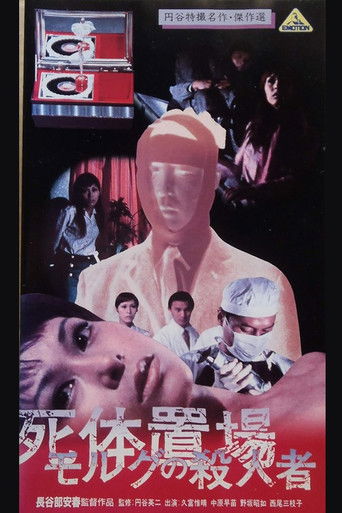
The Morgue MurdererThe Morgue Murderer · 1973
The Morgue Murderer
1973
MovieHorrorTV Movie
A university anatomy surgeon and lecturer, Dr. Mizukami, runs over and kills a corporate worker while driving with his student and lover, Ryoko. Instead of reporting the accident, Mizukami hides the dead body and attempts to carry on with his academic and professional life as if nothing happened.
Order of the SalarymanOrder of the Salaryman · 1973
Order of the Salaryman
1973
MovieTV MovieHorror
A salaryman promoted against his will skips his first morning meeting and slips into a spiral of small rebellions—cafés, nightclubs, and a fleeting romance—while rejecting the rigid “medals” of corporate success. Torn between family and freedom, he plots a staged disappearance to reclaim a late-coming youth, in a bittersweet drama underscored by the haunting refrain of “Akita Ondo.”
Vampire ScreamVampire Scream · 1973
Vampire Scream
1973
MovieTV MovieHorror
Cursed Hand from the GraveyardCursed Hand from the Graveyard · 1973
Cursed Hand from the Graveyard
1973
MovieTV MovieHorror
Spider WomanSpider Woman · 1973
Spider Woman
1973
MovieTV MovieHorror
Japanese horror movie from 1973.

More from Tokihisa MorikawaSee all →
The Story of JiroThe Story of Jiro · 1987
The Story of Jiro
9.01987
MovieFamilyDrama
Adaptation of the classic masterpiece about the relationship between parents and their children.
Young PeopleYoung People · 1968
Young People
9.01968
MovieDrama
"Young People" is a story about the lives of four brothers and a sister, Sato. After the death of his parents, the older brother, Taro, who works in construction, decides to replace them. The second brother, Jiro, is a truck driver. The third, Saburo, is a student, dreams of a better future for the whole family are connected with him, with his career. Brothers and sisters are fighting to give him a higher education. And, finally, the youngest of the brothers, Suekichi, is also going to enter the university after graduation. The life of the Sato family is complicated. Taro is kind, but limited, not always able to find a common language with his brothers and sister Orie. The girl cannot stand the despotism of her brother, leaves her home and goes to work at the factory. With her departure, everything in the house goes upside down. Suekichi fails her university entrance exams, Orie is forced to return to her family.
Forward, Young People!Forward, Young People! · 1969
Forward, Young People!
8.01969
MovieDramaFantasy
The second film tells about the life of matured brothers and sister Sato. Taro became a foreman. He saves every yen to fulfill his dream of building his own house with stone gates. Jiro continues to work in the transportation office, he dreams of getting married. Saburo faces a moral problem: in order to get a good position, he must answer the questions of the entrance test differently than his conscience tells him. At the exam, Saburo does not hide his views on life and is deprived of the promised position. Orie and Suekiti believe that he did wrong and betrayed his older brothers. But the anxiety in the Sato family is not limited to these events. Orie was being asked to marry a handsome, well-established young man, but she suddenly announced her decision to marry Tozaka, who was suffering from radiation sickness. Sato's peaceful home is falling apart...
Kogarashi MonjiroKogarashi Monjiro · 1972
Kogarashi Monjiro
8.01972
SeriesAction & AdventureDrama
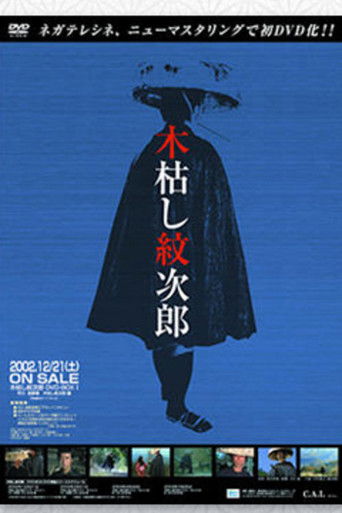
Monjiro was born into a poor farm family in Mikazuki Village, Nitta County, Ueshu, and abandoned his hometown when he was 10 years old. He has been traveling aimlessly with a long toothpick in his mouth. Monjiro avoided getting involved in anything, but wherever he went, he ended up getting involved in incidents
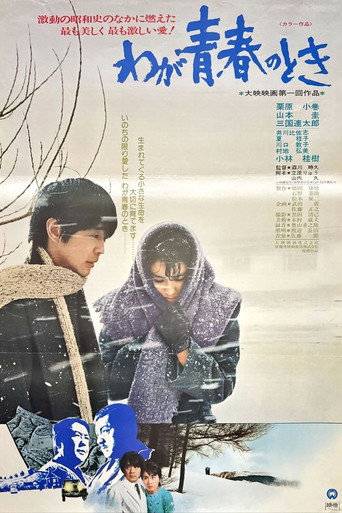
Waga seishun no tokiWaga seishun no toki · 1975
Waga seishun no toki
1975
Movie
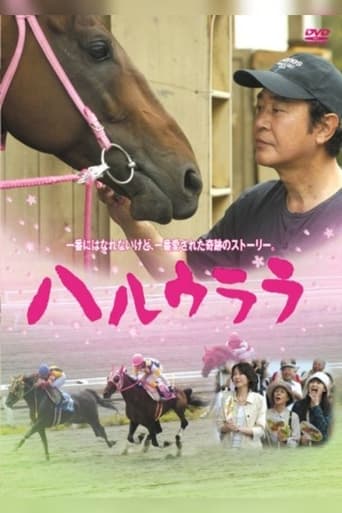
Haru UraraHaru Urara · 2005
Haru Urara
2005
MovieDrama
Based on the true story of racing horse "Haru Urara" ("Gentle Spring"), who lost every single horse race she entered since her 1998 debut.
Wings of Icarus' FlightWings of Icarus' Flight · 1980
Wings of Icarus' Flight
1980
MovieDrama
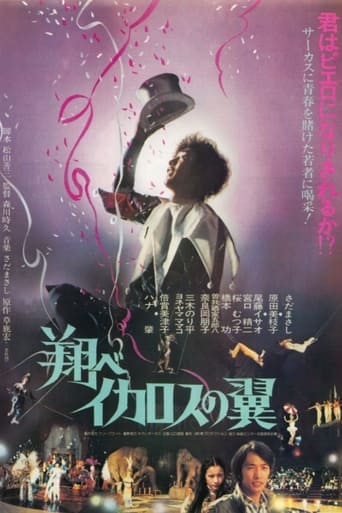
A young man who travels around the world with a camera in his hand finds the circus a fascinating subject. The huge tents and life-threatening acrobatics were filled with dreams, laughter, and excitement. From that moment on, his destiny changes. While living in the circus, the young man becomes fascinated by the art of performing, trains hard, and makes his debut on the big stage. He puts all of his youth into his quest to become a clown, the flower of the circus and the origin of laughter.
Banner of the YoungBanner of the Young · 1970
Banner of the Young
1970
MovieDrama
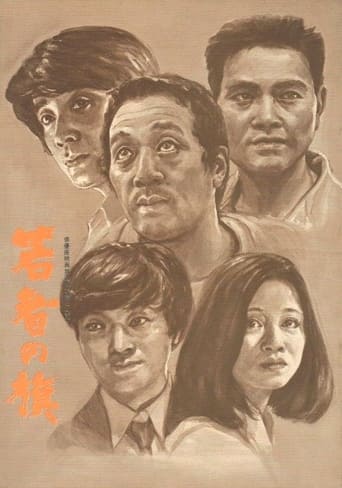
The final part of the trilogy. It is about a younger brother, Suekichi. He learned well the lessons that life taught his older brothers. Therefore, he does not think to study, but strives for material well-being alone. To make a career, he ruthlessly pushes his colleagues with his elbows. For him, the high ideals of trade union activists Jiro and Saburo are an example of old-fashioned thinking, naive behavior.
Kimi ga kagayaku tokiKimi ga kagayaku toki · 1985
Kimi ga kagayaku toki
1985
MovieDrama
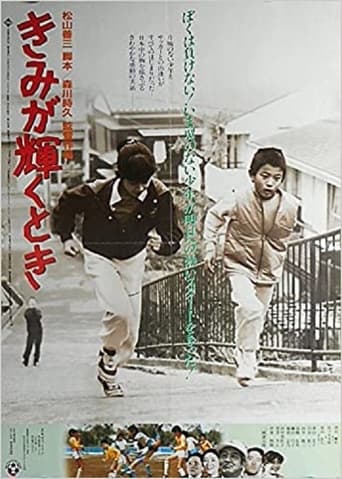
A one armed boy wants to become a football (soccer) player.
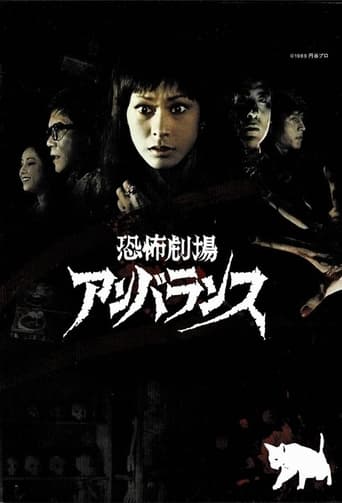
Horror Theater UnbalanceHorror Theater Unbalance · 1973
Horror Theater Unbalance
1973
SeriesSci-Fi & FantasyMystery
Horror Theater Unbalance is a 1973 Japanese Anthology television series created by Tsuburaya and Fuji TV to air on the Fuji TV network on Monday Nights for 13 episodes. Originally started in production in 1969, it was shelved and took years for its airing debut to begin its broadcast, before production was eventually completed at the end of 1972. It was then aired on Fuji TV in 1973.

More Like This

Couldn't load this row right now.
Rate this film

Your ratings make Midnight smarter