Directing
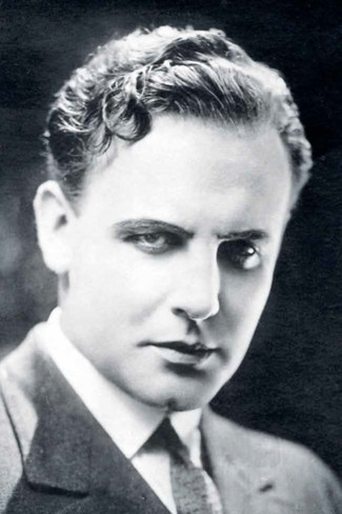
Karel Lamač
Born January 27, 1897 · Prague
Died August 2, 1952 · aged 55
Karel Lamač (1897 – 1952) was a Czech film director, actor, screenwriter, producer and singer. After starting as a combat cameraman in WW1, Lamač went on to direct more than 100 films in Czechoslovakia, Austria, Germany, the Netherlands and the United Kingdom.
Known For
 Frasquita · 1934
Frasquita
★ 6.31934
MovieMusicRomance
Czechoslovakian opera star Jarmila Novotná plays the title role in the Austrian tunefest "Frasquita". Based on a Franz Lehár operetta, the story is the usual frothy nonsense. Dolly (Charlott Daudert) is engaged to marry Harald (Hans Heinz-Bollmann), but she's really in love with Hippolit (Heinz Rühmann). Harald is likewise enamored of another, namely Frasquita (Jarmila Novotná).
 Baby · 1932
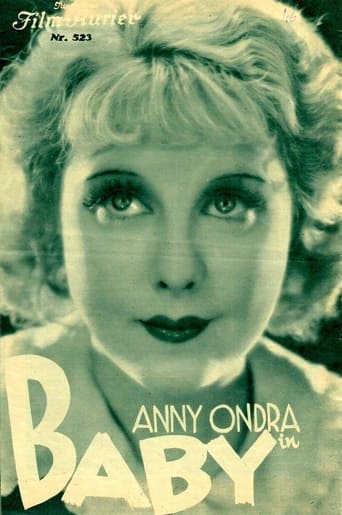
Baby
★ 7.01932
MovieMusicComedy
The daughter of the Parisian countess Lafitte, named "Baby", is supposed to go to an English boarding school, but she's much more interested in variety shows. Nevertheless, she travels with her friend Susette to London, who also wants to make a career for herself as a showgirl. During the journey, Baby is mistakenly considered to be a showgirl and she does nothing to dissuade two young English lords from believing so. The girls continue to live under false pretenses even when they arrive in England, with Baby being a soloist with the group "Babies" and Suzette passing herself off as the Contessa Lafitte for school exams. At the end -- a double marriage.
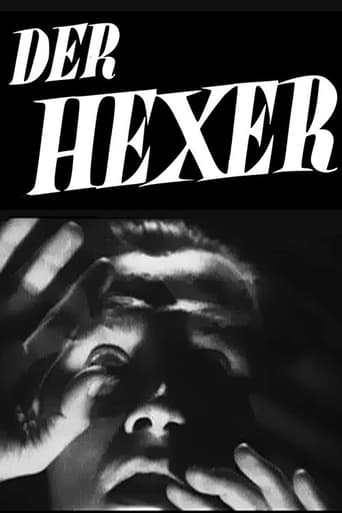 The Ringer · 1932
The Ringer
★ 5.11932
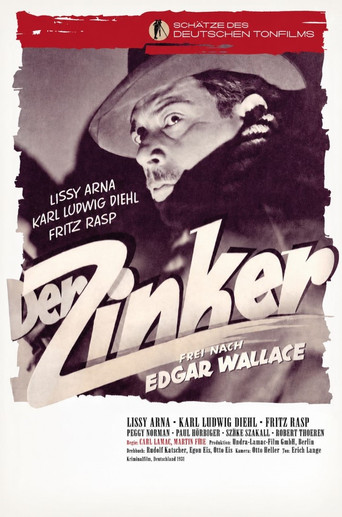
MovieCrimeMystery
A shifty lawyer is threatened with death within two days by a criminal who supposedly died in Australia.
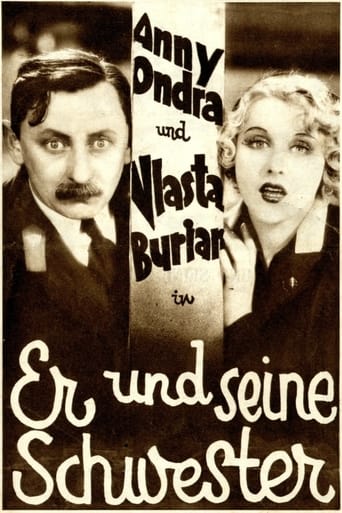 Meet the Sister · 1931
Meet the Sister
★ 8.31931
MovieMusicComedy
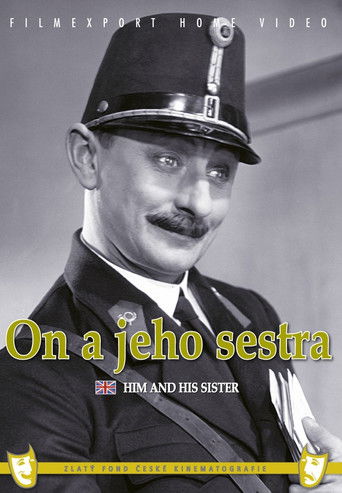
Anny Brabcová is Sabine Veldenová's maid. She would very much like to get the main role in the new musical "The Pink Letter", in which Veldenová plays. Anna's brother, the easy-going postman Jarda Brabec gets the lyrics to the most famous song of the whole musical "The Pink Letter" from his sister and decides that Anna will sing it at the postal academy right in front of the Minister of Posts, where she will reap great success. Later, when the spoiled star Veldenová ends her role in the musical, the director of the theater Bernhard, with whom Anny is in love, has no choice but to announce an audition for the role.
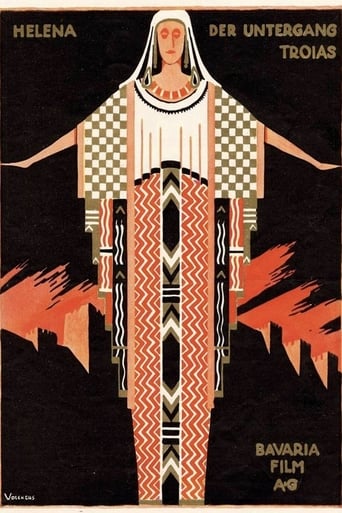 Helen of Troy · 1924
Helen of Troy
★ 6.41924
MovieHistoryAction
Helena is a 1924 German silent drama film directed by Manfred Noa and starring Edy Darclea, Vladimir Gajdarov and Albert Steinrück. The film was based on the poem the Iliad by Homer. It was released in two separate parts: The Rape of Helen and The Fall of Troy. It was produced by Bavaria Film at the Emelka Studios in Munich. The film was made on an epic scale with thousands of extras, and large sets which rivalled those of the larger Berlin-based UFA.
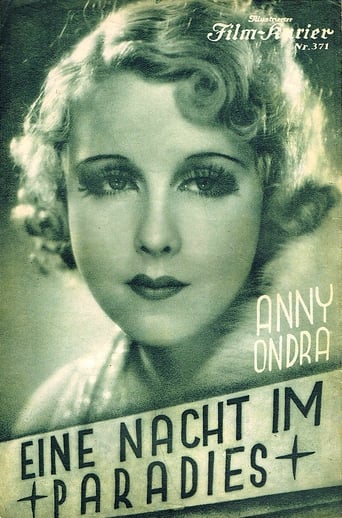 A Night in Paradise · 1932
A Night in Paradise
★ 8.01932
MovieMusicComedy
One of the popular Weimar-era musical comedies not released in the US until after the Nazi takeover, this one has a Cinderella-type plot.
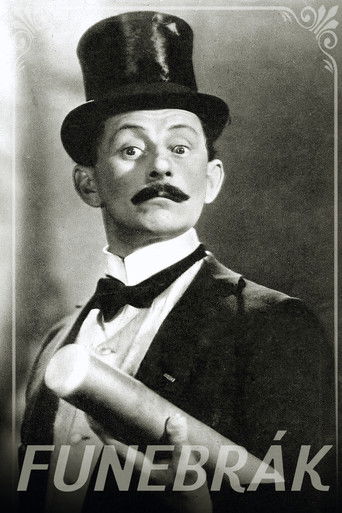 The Undertaker · 1932
The Undertaker
★ 5.01932
MovieComedy
An employee of the funeral home Pleticha calls his superior. He overhears that he is supposed to buy a wedding gift and deliver it to his boss's relatives. He therefore sets off to the given address to organize the funeral. When the mistake is explained, Pleticha, in return for the entertainment, performs dances and songs of various nations for the wedding guests. One of the guests, grandfather Boleslav Hnipírdo, experienced a train collision near Vrňany on his way to Prague. Since he was not injured, he does not even want to ask for compensation. Pleticha takes advantage of this and goes to the railway headquarters with his leg bandaged. He pretends to be Hnipírdo and is questioned in detail about his journey. Thanks to his talkativeness, he reveals, among other things, that he jumped on a moving train, drove illegally, spat on the window and tore off the emergency brake...
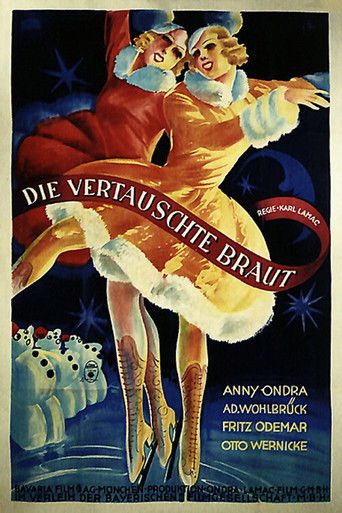 The Switched Bride · 1934
The Switched Bride
★ 6.21934
MovieComedy
Capricious Lady Virginia has an unexpected double in a girl who works at a fair and wishes for a beauty salon. When the first one's eccentricities lead to her arrest, the second is paid for going to prison. There she meets Charles, Virginia's suitor. When out of jail she will have to fight not only for him but for going through with the leading role in a skating show.
Filmography
Sort