Directing
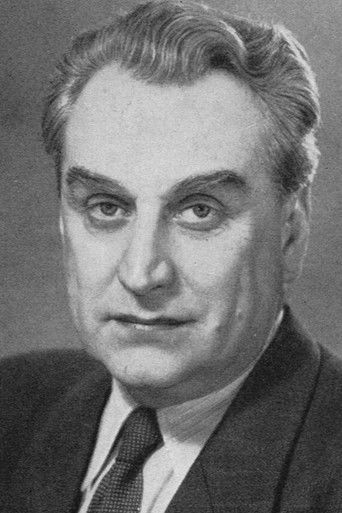
Grigori Aleksandrov
Born January 22, 1903 · Yekaterinburg, Russian Empire
Died December 16, 1983 · aged 80
Grigori Vasilyevich Aleksandrov or Alexandrov (original family name was Mormonenko; 23 January 1903 - 16 December 1983) was a prominent Soviet film director who was named a People's Artist of the USSR in 1947 and a Hero of Socialist Labor in 1973. He was awarded the Stalin Prizes for 1941 and 1950. Initially associated with Sergei Eisenstein, with whom he worked as a co-director, screenwriter and…
Known For
 Strike · 1925
Strike
★ 7.41925
MovieDrama
Workers in a factory in pre-revolutionary Russia go on strike and are met by violent suppression.
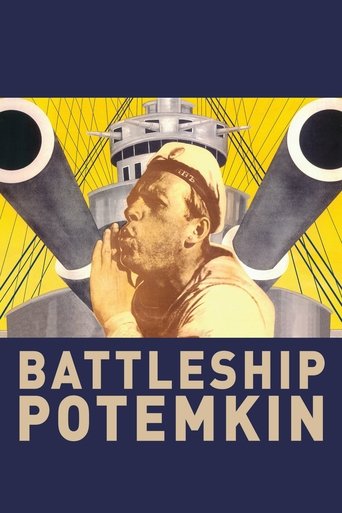 Battleship Potemkin · 1925
Battleship Potemkin
★ 7.61925
MovieDramaHistory
A dramatized account of a great Russian naval mutiny and a resultant public demonstration, showing support, which brought on a police massacre.
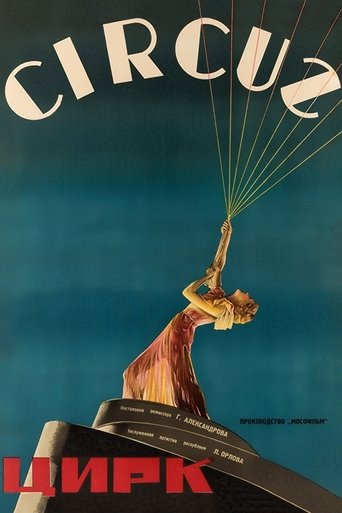 Circus · 1936
Circus
★ 6.31936
MovieMusicComedy
An American circus performer finds herself the victim of racism after it is revealed that she's the mother of a mixed-race child. In the midst of the public scandal, she finds happiness, love, and refuge in the USSR.
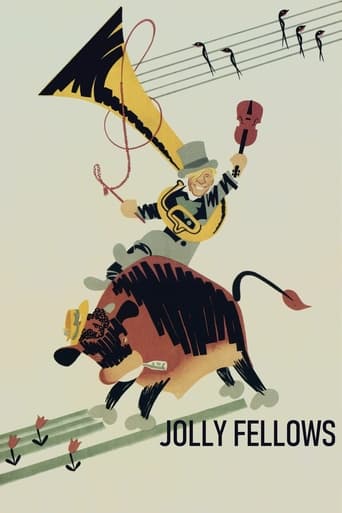 Jolly Fellows · 1934
Jolly Fellows
★ 6.41934
MovieMusicComedy
Merry Fellows was the first Soviet musical comedy. Set in Odessa and Moscow in the 1930s. Shepherd Kostya Potekhin is mistaken for an international concert star. He falls in love with Anyuta and plays the "star" for her. In a cascade of comic musical numbers he becomes the leader of a Jazz-Band and gives a hilarious show at the Odessa Music Hall. Now he is destined to perform at the Bolshoi Theatre in Moscow.
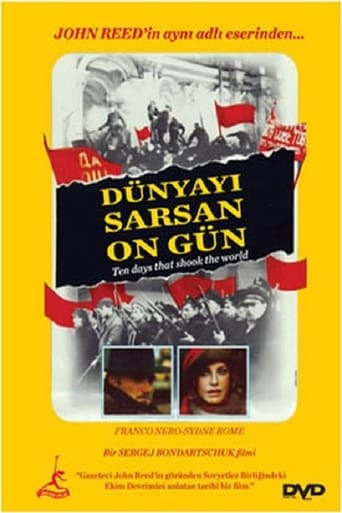
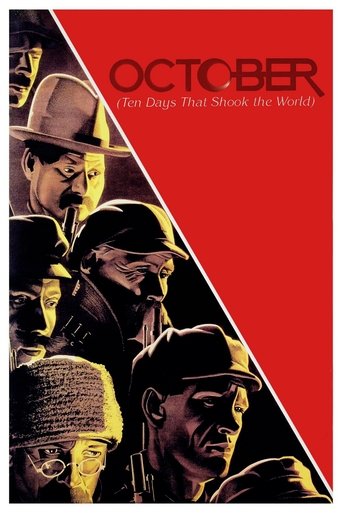 October (Ten Days that Shook the World) · 1928
October (Ten Days that Shook the World)
★ 6.91928
MovieDramaHistory
Sergei M. Eisenstein's docu-drama about the 1917 October Revolution in Russia. Made ten years after the events and edited in Eisenstein's 'Soviet Montage' style, it re-enacts in celebratory terms several key scenes from the revolution.
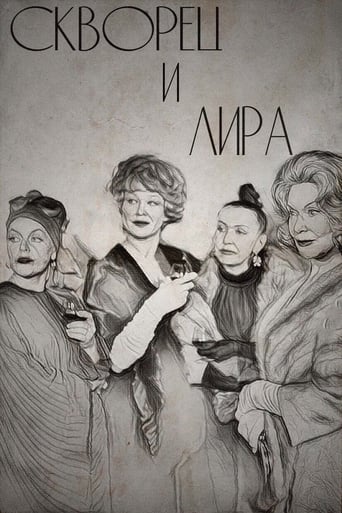 Starling and Lyre · 1974
Starling and Lyre
★ 6.01974
MovieRomanceThriller
Soviet intelligence spouses — Lyudmila ("Lyre") and Fyodor ("Starling") Grekov at the beginning of the Great Patriotic War are tasked with settling in Germany. Personnel intelligence officers with vast experience are successfully introduced into German society and begin to work actively. At the end of the war, during the bombing of Berlin, fate separates them, but then they will meet in the new Germany and continue their work.
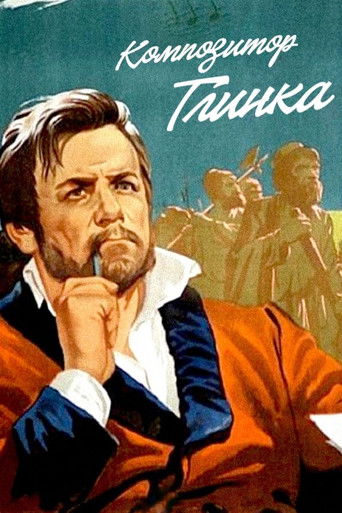 Man of Music · 1952
Man of Music
★ 4.71952
MovieHistoryMusic
The young composer Mikhail Glinka performs his new work at a soiree at earl Vielgorsky's house. However, the public is accustomed to Western music, and reacts coldly to the creation of the composer. This makes him very sad, but soon he decides to go learn the art of music in Italy. After returning from Italy, he is full of desire to write national Russian opera. Vasily Zhukovsky proposes a subject: a feat of Ivan Susanin. Tsar Nicholas I change the name of the opera to A Life for the Tsar and assigns a librettist - Baron Rosen. Acquaintance with the future co-author shocked Glinka: Rosen speaks Russian with a noticeable German accent. The premiere was successful, but Glinka was still not entirely happy with the libretto: "False words were written by Rosen". When Nicholas I learned that Ruslan and Lyudmila was written on Pushkin's subject, he sees it as sedition. The bitter experience of the composer brighten his supporters.
 ¡Qué Viva México! · 1979
¡Qué Viva México!
★ 6.81979
MovieDocumentaryDrama
Having revolutionized film editing through such masterworks of montage as Potemkin and Strike, Soviet director Sergei Eisenstein emigrated West in hopes of testing the capabilities of the American film industry. Quickly ostracized from Hollywood, Eisenstein, Grigory Alexandrov, and photographer Eduard Tisse (at the urging of author Upton Sinclair) wandered south of the border, where they began filming a highly stylized documentary about the people and volatile social climate of Mexico. Unfortunately, a lack of funds prohibited the film's completion, and the famed director was unable to edit the film. In 1979, by referring to Eisenstein's extensive notes and sketches, Alexandrov assembled the most definitive version of the film; as close to Eisenstein's vision as one is ever likely to see.
Filmography
Sort