O
Acting
Otto Graf
Born November 28, 1896
Died February 22, 1977 · aged 80
Otto Graf was born on 28 November 1896 in Haina, Germany. He was an actor, known for Der junge Lord (1969), Die Wirtin zum Weißen Röß'l (1943) and Großstadtmelodie (1943). He died on 22 February 1977 in West Berlin, West Germany.
Known For
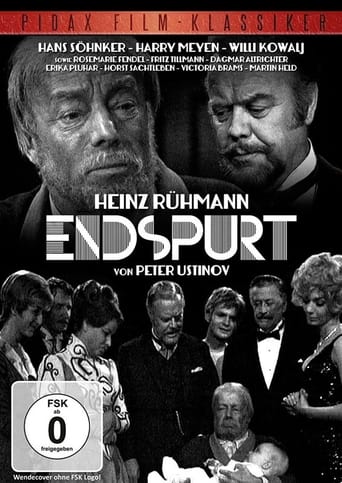 Endspurt · 1970
Endspurt
1970
MovieDrama
The author Peter Ustinov has called his work "Endspurt" a "biographical adventure". Biographical because the somewhat ambitious but later successful writer Sam Kinsale meets here as a twenty-, forty- and sixty-year-old. The interesting thing about this film, however, is that the four Sams are confronted with each other. The diversity of an eighty-year-old life becomes transparent. At the age of 20, Sam Kinsale loves the young Stella and is determined to marry her. But 20 years later, he is fed up with the marriage and wants to leave her. But he doesn't because she is expecting a child. As a sixty-year-old, he is constantly making compromises both in his work as a writer and in his personal life.
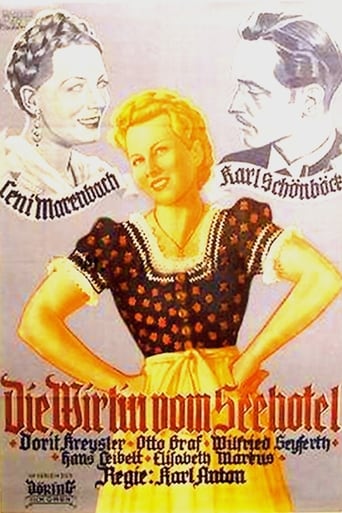 Die Wirtin zum weißen Röss'l · 1943
Die Wirtin zum weißen Röss'l
★ 5.71943
MovieComedy
Up till now, Eri Bel and Heinz Marius were a happy couple only on the movie screen. Now, however, the successful film stars want to be a happy couple in real life. After the next film they star in together, the whole thing should be a reality.
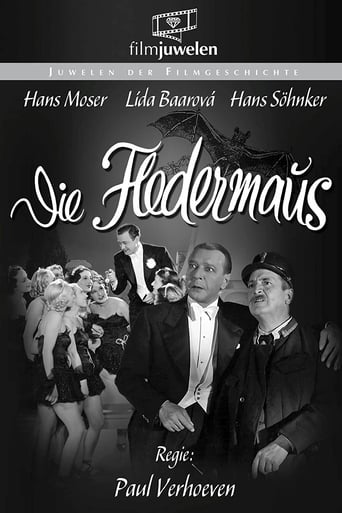 The Bat · 1937
The Bat
★ 4.21937
MovieComedy
The delightful Johann Strauss comic opera Die Fledermaus was mercilessly lampooned in this truly bizarre production. For starters, a framing device has been added: After appearing in 300 consecutive appearances of Fledermaus (which translates as The Bat) the lead tenor (Georg Alexander) imagines that he's seeing bats everywhere. Driven a bit over the edge by all this, he falls asleep and has a nightmare about the opera, with a group of non-singers cast in the leading roles. The original libretto about romantic assignations, political imprisonments and mistaken identity is burlesqued to the hilt: at one point, the hero finds out that his prison cell is surrounded by rubber tubes!
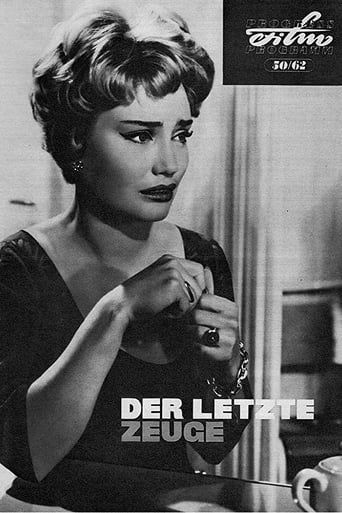 The Last Witness · 1960
The Last Witness
★ 6.41960
MovieCrimeDrama
Director Wolfgang Staudte who left East Germany in 1953 to make movies in West Germany, takes a few swipes at the West German judicial system in this fairly effective courtroom drama about the murder of a four-month-old baby. Police almost immediately arrest the mother Ingrid who is the mistress of the father, a rich business VIP married to another woman. His position and wealth keep him insulated from suspicion. A hot-shot lawyer has to overcome the unaccountably biased perceptions of the police, the judge, the prosecutor and almost everyone else in the judicial system. The defence lawyer, driven to an extreme, knows he has to find the real killer or his client will be convicted.
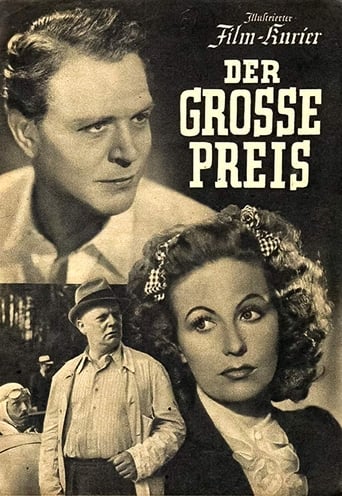 The Grand Prix · 1944
The Grand Prix
★ 7.01944
MovieDrama
The moral is simple: keep your mouth shut, especially when you're working during the wartime in a factory, which produces racing cars only, or someone can (or even must) get murdered. Not a good movie, not a bad either. The ending is abrupt and artificial, which seems to be a common plague of Third Reich's crime movies. Gustav Fröhlich could never get rid of his silent era mannerisms and overacting. But on the other side, this film is not boring and has to offer some decent plot turns and acting.
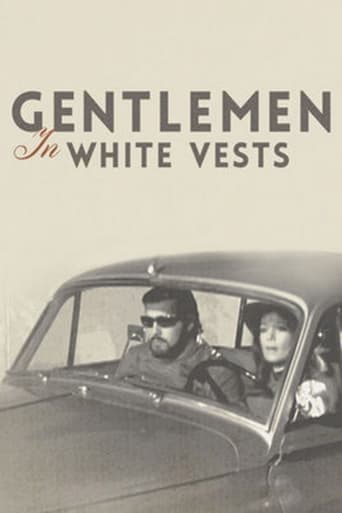 Gentlemen in White Vests · 1970
Gentlemen in White Vests
★ 7.91970
MovieComedyCrime
Bruno Stiegler, a boxing promoter with a disreputable past, returns from America to Berlin to make some big things again with his friends. Fatally, he is always preceded by some gentlemen from better circles who are developing amazing criminal activity in their old days. They are led by Oberlandesgerichtsrat a. D. Herbert Zänker, whom it still hisses, that he could bring in his term Bruno never behind bars.
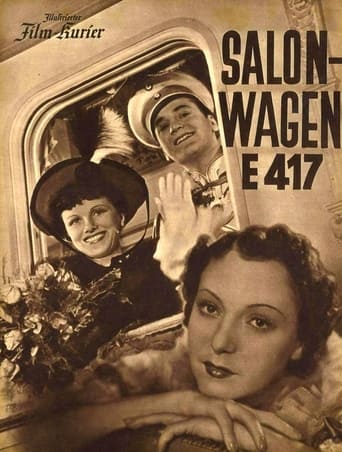 Salonwagen E 417 · 1939
Salonwagen E 417
★ 7.01939
MovieMysteryDrama
In a transport museum, the items on display begin to tell their stories. Most interesting is the history of the Pullman car. In the beginning, it served as transport for a princely family; then became the headquarters car for the military high command; and then, most adventurous of all, it ended up with a circus. Converted to a bar, it finally had its day and was supposed to serve as a placard carrier. Luckily, the museum saved it from this sad fate.
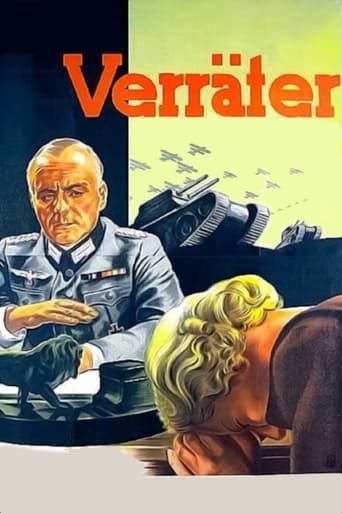 The Traitor · 1936
The Traitor
★ 7.01936
MovieDrama
This 1936 film tells the story of the doings of foreign agents in Germany and their allies among the German population. Having placed an ad in a local paper looking for "contact with bigwigs in German industry", enemy agents Morris and Geyer end up making contact with an engineer named Brockau. Brockau has developed an improvement in turning oil into gasoline and that's just what these enemy agents are looking for. Brockau, for his part, needs money, because his girlfriend is a selfish cow who demands more and more toys and trinkets, which has put our naive little nerd deep into debt. Brockau, however, is not the only unwitting maroon to fall into the clutches of the evil agents: the former bank agent Hans Klemm, now doing his service in the Wehrmacht, ends up being contacted by an agent from the other side and ends up getting blackmailed into working for them.
Filmography
Sort


 1913 · 1961
1913
★ 5.01961
Movie
Schneider Easton