Acting
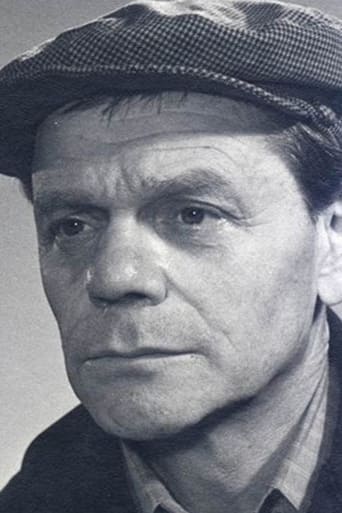
Vladimir Uralskiy
Born August 28, 1887 · Orenburg, Orenburg Governorate, Russian Empire [now Orenburg Oblast, Russia]
Died May 13, 1955 · aged 67
No biography available.
Known For
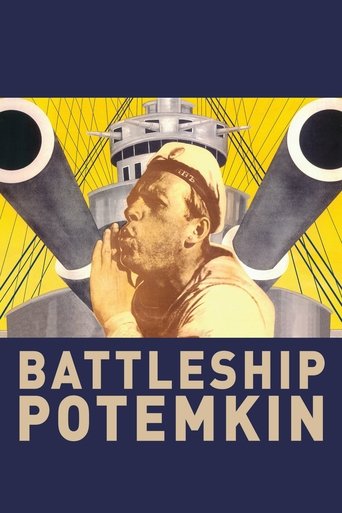 Battleship Potemkin · 1925
Battleship Potemkin
★ 7.61925
MovieDramaHistory
In the midst of the Russian Revolution of 1905, the crew of the battleship Potemkin revolt against the brutal, tyrannical regime of the vessel's officers. The resulting street demonstration in Odessa brings on a police massacre.
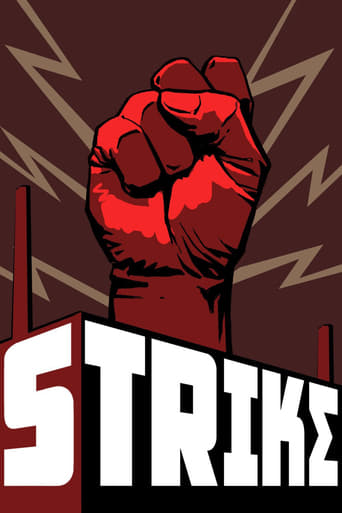 Strike · 1925
Strike
★ 7.41925
MovieDrama
Just before the 1905 Bolshevik Revolution, factory workers strike against their oppressive factory bosses. When a worker is accused of stealing a piece of machinery, he commits suicide, and his colleagues revolt against the overarching Czarist regime. As the strike drags on and government officials grow increasingly desperate to end it, their methods of dealing with the rebellious workers become more and more aggressive.
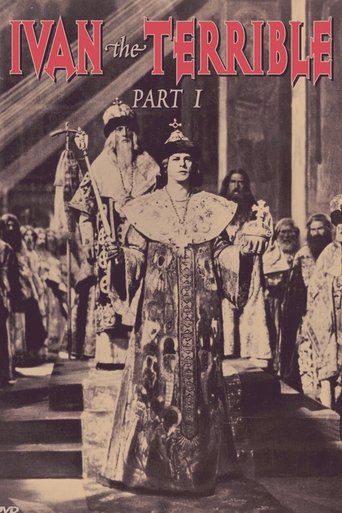 Ivan the Terrible, Part I · 1944
Ivan the Terrible, Part I
★ 7.31944
MovieDramaHistory
Set during the early part of his reign, Ivan faces betrayal from the aristocracy and even his closest friends as he seeks to unite the Russian people. Sergei Eisenstein's final film, this is the first part of a three-part biopic of Tsar Ivan IV of Russia, which was never completed due to the producer's dissatisfaction with Eisenstein's attempts to use forbidden experimental filming techniques and excessive cost overruns. The second part was completed but not released for a decade after Eisenstein's death and a change of heart in the USSR government toward his work; the third part was only in its earliest stage of filming when shooting was stopped altogether.
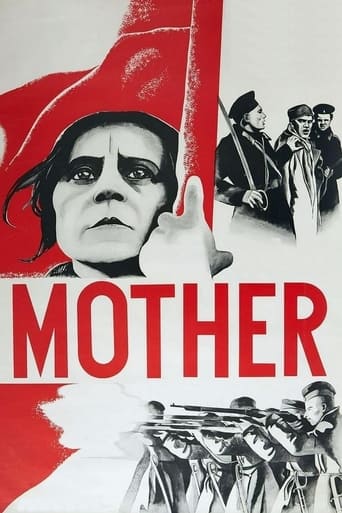 Mother · 1926
Mother
★ 7.11926
MovieDrama
A Soviet woman is caught between her husband and son, who find themselves on opposing sides of the Russian Revolution.
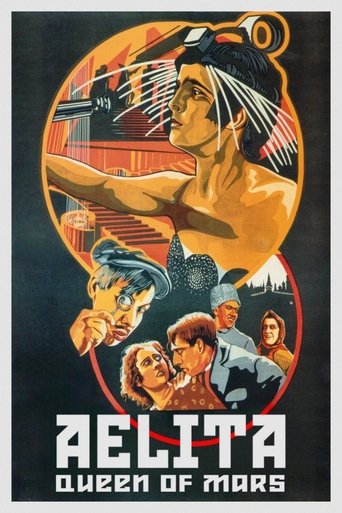 Aelita: Queen of Mars · 1924
Aelita: Queen of Mars
★ 6.01924
MovieScience FictionDrama
A young man travels to Mars in a rocket ship, where he leads a popular uprising against the ruling group with the support of Queen Aelita, who has fallen in love with him after watching him through a telescope.
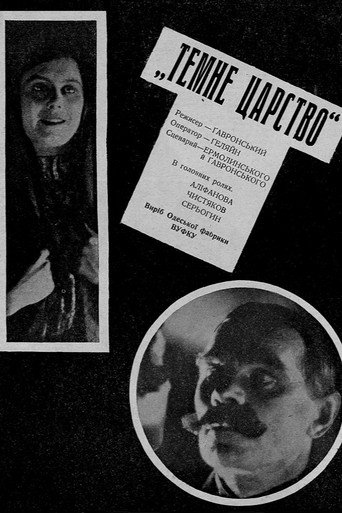 Темне царство · 1929
Темне царство
1929
MovieDrama
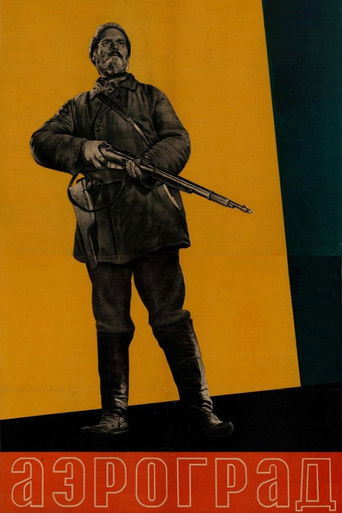 Aerograd · 1935
Aerograd
★ 5.01935
MovieDramaAction
A Russian outpost in Eastern Siberia comes under threat of attack by the Japanese. Aerograd is a new town with a strategically located airfield of vital interest to the government. Work on the new outpost is complicated when tensions develop between workers and a religious sect. Relations between the two countries are further strained in the days before World War II, dating back to the Russo-Japanese War of 1905.
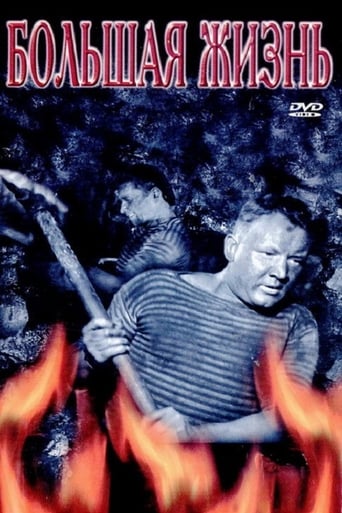 A Great Life, Part 2 · 1946
A Great Life, Part 2
★ 8.01946
MovieDrama
This is a dramatic story of the restoration of the mines after the liberation of Donbass from the Nazis during the Second World War.
Filmography
Sort
 The Great Glinka · 1946
The Great Glinka
★ 6.71946
MovieMusicHistory
About the life of the Russian composer Mikhail Glinka.
Vlas, partisan
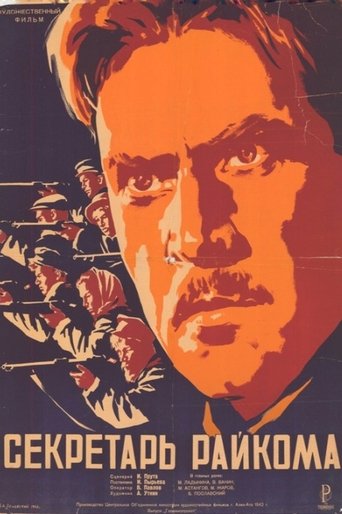 The District Secretary · 1942
The District Secretary
★ 4.71942
MovieDramaWar
A story about a Secretary of the Communist Party District Committee who is leading partisans in their fight with the Nazis during WWII.
Kletnyuk, partisan (uncredited)