Chang Chao-Tang

Directing

Chang Chao-Tang

Born November 17, 1943 · Taiwan

Died April 2, 2024 · aged 80

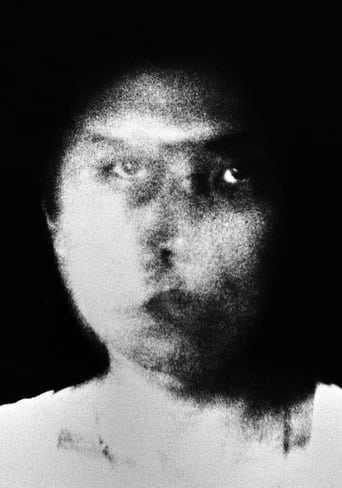
Chang Chao-Tang (張照堂) was a Taiwanese photographer, documentary filmmaker and cinematographer. In 1965, Chang and his teacher Cheng Shang-Hsi (鄭桑溪) organized his first duo exhibition called Modern Photography (現代攝影雙人展). In 1966, he participated in the Modern Poetry Exhibition (現代詩展). In 1967, his 8mm short film Diary (日記) was shown at a screening organized by Theatre Quarterly (劇場). He joined CTV …

Known For
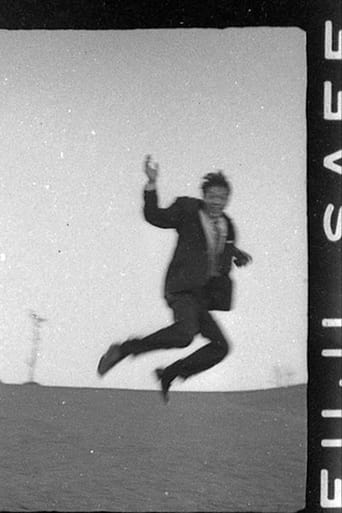
Regarding Huang Hua-ChengRegarding Huang Hua-Cheng · 2020
Regarding Huang Hua-Cheng
2020
MovieDocumentary
An in-depth documentary on the reclusive Taiwanese artist Huang Hua-Cheng and his avant-garde legacy. Commissioned by the Taipei Fine Arts Museum for the retrospective exhibition: “An Open Ending: Huang Hua-Cheng” (2020).
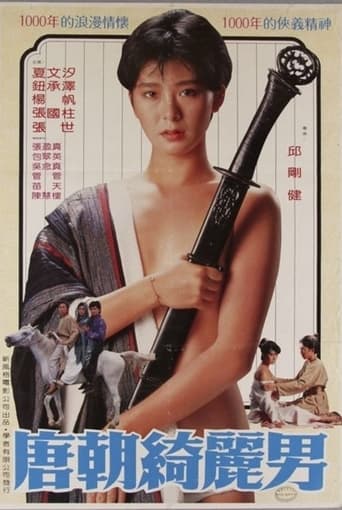
The Glamorous Boys of TangThe Glamorous Boys of Tang · 1985
The Glamorous Boys of Tang
★ 6.01985
MovieFantasyAdventure
A surreal uninhibited adventure between two boys, their mysterious love interest and two Japanese monks in the Tang dynasty. Feature debut by the acclaimed scriptwriter Chiu Kang-Chien.
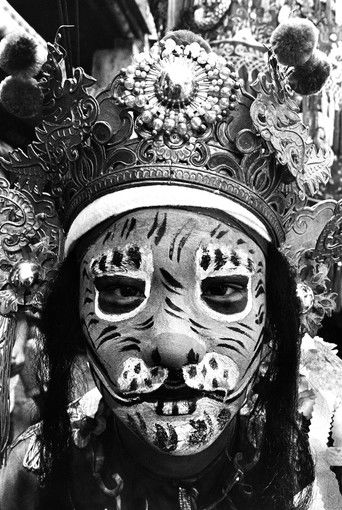
The Beauty of RitualsThe Beauty of Rituals · 1981
The Beauty of Rituals
1981
MovieDocumentary
"The Beauty of Rituals" (《祭典之美》) by Chang Chao-tang (張照堂) surveys Taiwanese folk festivals across regions and seasons, framing them through the perspectives of archaeologist Chen Chi-lu (陳奇祿), choreographer Lin Hwai-min (林懷民), psychologist Yu Te-hui (余德慧), and painter Shiy De-jinn (席德進). The script and voiceover by Chiang Hsun (蔣勳) articulate the symbolic and affective dimensions of traditional belief.With music by Ma Shui-long (馬水龍), Chou Wen-chung (周文中), Kitaro (喜多郎), and Mike Oldfield, the film juxtaposes Eastern and Western sonic forms, re-mediating ritual as a dynamic contemporary cultural field.
The Instant of Gaze: Portraits by Chang Chao-TangThe Instant of Gaze: Portraits by Chang Chao-Tang · 1999
The Instant of Gaze: Portraits by Chang Chao-Tang
1999
Movie
A biographical documentary filmed in 1999 on the occasion of Chang Chao-tang (張照堂) receiving the National Award for Arts (國家文藝獎) in the Fine Arts category (美術類). In the film he is credited as both director and editor under the pseudonym “Gao Shang-tu” (高尚土)—a name derived by decomposing the character “tang” (堂) into its constituent elements “gao” (高), “shang” (尚), and “tu” (土). Semantically, the pseudonym implies a counter-reference to the notion of temple-like, institutional “high culture,” redirecting emphasis instead toward the vernacular and the earthy—suggesting that what is truly “noble” lies in the force emerging from the “soil” (土) of the people. For this reason, the film may also be understood as a semi-autobiographical documentary that carries an element of self-writing within its particular historical context.
Modern Poetry Exhibition/1966Modern Poetry Exhibition/1966 · 1966
Modern Poetry Exhibition/1966
1966
Movie
Artists contributing to the 1966 Modern Poetry Exhibition included HUANG Hua-cheng, LONG Sih-liang, HUANG Yong-song, and CHANG Chao-tang; each artist chose their favorite modern poems and transformed them into imagery. This film is a time capsule capturing some of the exhibits, as well as the young artists.
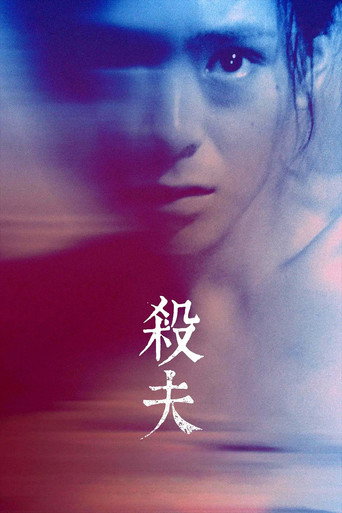
The Woman of WrathThe Woman of Wrath · 1984
The Woman of Wrath
★ 5.81984
MovieDrama
A woman resorts to prostitution out of hunger and commits suicide shortly after, leaving her daughter to embark on an equally cruel path.
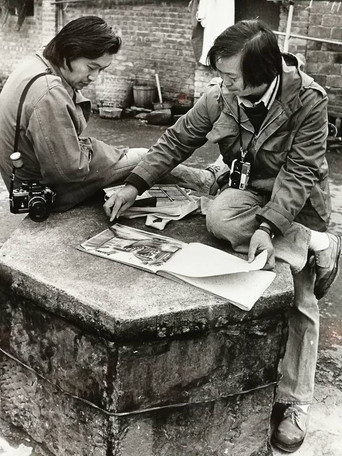
Journey through ImagesJourney through Images · 1981
Journey through Images
1981
MovieDocumentary
This landmark 1981–82 documentary series consists of weekly 25-minute episodes filmed across Taiwan using an ENG (Electronic News Gathering) camera. It documents local customs and social textures through a distinctly humanistic lens. The project also marks an early collaboration between Christopher Doyle and Chang Chao-Tang.
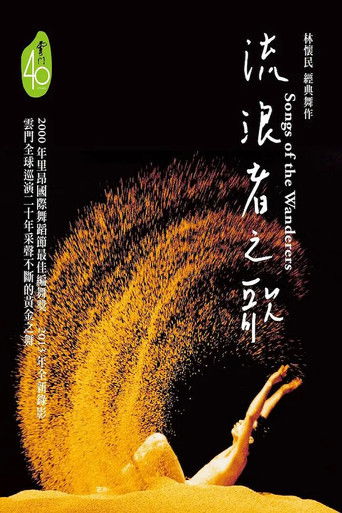
Songs of the WanderersSongs of the Wanderers · 2013
Songs of the Wanderers
2013
MovieDocumentary
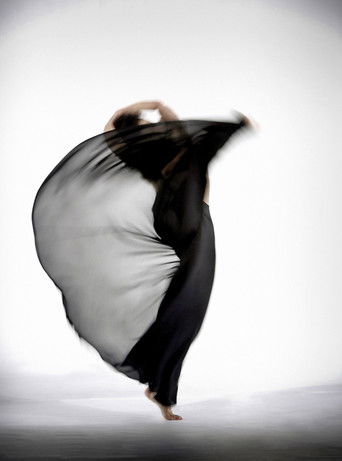
This dance film presents Siddhartha as reimagined by Lin Hwai-min and performed by Cloud Gate Dance Theatre of Taiwan, directed for screen by Chang Chao-Tang. Inspired by Hesse’s novel and a pilgrimage to Bodh Gaya, where the Buddha attained enlightenment, Lin created a work of stillness and elemental force. The stage is shaped by tons of golden rice grains into shifting landscapes—like rain, waterfalls, and deserts. Georgian folk songs flow through the space as dancers, carrying wooden staffs, move in slow, spiraling journeys, while a monk in white remains motionless. In the final scene, a dancer rakes the grains into vast concentric circles, forming an image of quiet intensity. Premiered in 1994, this 90-minute work is one of Lin’s key creations. Widely toured and acclaimed, it remains among Cloud Gate’s most performed works. Recorded in high definition, this 2013 version stands as the definitive edition of this landmark piece.
Filmography

Sort
The Instant of Gaze: Portraits by Chang Chao-TangThe Instant of Gaze: Portraits by Chang Chao-Tang · 1999
The Instant of Gaze: Portraits by Chang Chao-Tang
1999
Movie
A biographical documentary filmed in 1999 on the occasion of Chang Chao-tang (張照堂) receiving the National Award for Arts (國家文藝獎) in the Fine Arts category (美術類). In the film he is credited as both director and editor under the pseudonym “Gao Shang-tu” (高尚土)—a name derived by decomposing the character “tang” (堂) into its constituent elements “gao” (高), “shang” (尚), and “tu” (土). Semantically, the pseudonym implies a counter-reference to the notion of temple-like, institutional “high culture,” redirecting emphasis instead toward the vernacular and the earthy—suggesting that what is truly “noble” lies in the force emerging from the “soil” (土) of the people. For this reason, the film may also be understood as a semi-autobiographical documentary that carries an element of self-writing within its particular historical context.

Director

Songs of the WanderersSongs of the Wanderers · 2013
Songs of the Wanderers
2013
MovieDocumentary
This dance film presents Siddhartha as reimagined by Lin Hwai-min and performed by Cloud Gate Dance Theatre of Taiwan, directed for screen by Chang Chao-Tang. Inspired by Hesse’s novel and a pilgrimage to Bodh Gaya, where the Buddha attained enlightenment, Lin created a work of stillness and elemental force. The stage is shaped by tons of golden rice grains into shifting landscapes—like rain, waterfalls, and deserts. Georgian folk songs flow through the space as dancers, carrying wooden staffs, move in slow, spiraling journeys, while a monk in white remains motionless. In the final scene, a dancer rakes the grains into vast concentric circles, forming an image of quiet intensity. Premiered in 1994, this 90-minute work is one of Lin’s key creations. Widely toured and acclaimed, it remains among Cloud Gate’s most performed works. Recorded in high definition, this 2013 version stands as the definitive edition of this landmark piece.

Director

The Homecoming Pilgrimage of Dajia MazuThe Homecoming Pilgrimage of Dajia Mazu · 1975
The Homecoming Pilgrimage of Dajia Mazu
1975
MovieDocumentary
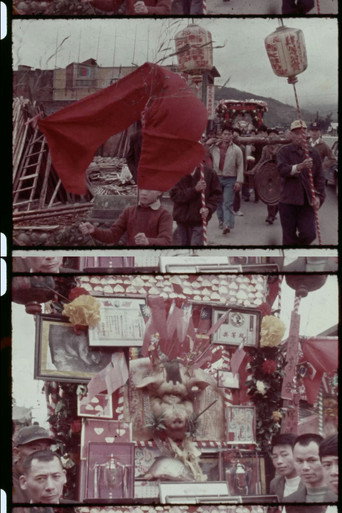
Viewers are transported back in time to 1974 to see the annual Taoist celebration of the Dajia Mazu Pilgrimage. Thousands of participants accompany a statue of the goddess Mazu, who protects seafarers, on a 9-day, 8-night procession, stopping at several prominent temples along the way. The religious pilgrimage is a round-way journey from the Zhenlan Temple in Dajia, Taichung City to Fengtian Temple in Xingang of Chiayi County on the Western plains of Taiwan. The mesmerising festival takes place every year during the third lunar month and still attracts large masses to this day. The audio track of the film was once banned under the Kuomintang (KMT) due to the film’s inclusion of spoken Hokkien (Taiwanese), giving viewers at the time an altered and suppressed understanding of the event and its cultural significance in Taiwan. Viewers now can revel in the beauty of the Taiwanese language and see the film for the true spirit that it captures.

Cinematography

Archive / The Sacred Pig Competition of SansiaArchive / The Sacred Pig Competition of Sansia · 1973
Archive / The Sacred Pig Competition of Sansia
1973
Movie
The “Sai Jhu Gong” (賽豬公, Sacred Pig Competition) is a major annual ritual associated with the Sansia Ancestor Master Temple (三峽祖師廟), held each year on the sixth day of the first lunar month. This film documents the ceremonial proceedings of the 1973 “Sai Jhu Gong” (賽豬公) observance. Dispensing with narration altogether, the film’s soundscape consists exclusively of Beiguan (北管) music and liturgical recitation (祭儀口白). In terms of audiovisual construction and thematic orientation, the work may be understood as a transitional piece within the folklore-oriented documentary practice of Chang Chao-Tang (張照堂), situated between the more conventionally structured The Homecoming Pilgrimage of Dajia Mazu (大甲媽祖回娘家, 1974) and the more formally experimental The Boat Burning Festival (王船祭典, 1979).

Director

Oil-Coated Umbrellas: MeinungOil-Coated Umbrellas: Meinung · 1978
Oil-Coated Umbrellas: Meinung
1978
MovieDocumentary
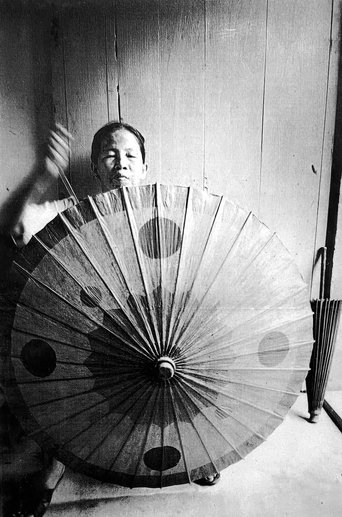
Once essential on rainy days in Taiwan, the handcrafted oil-paper umbrella from Meinung,was not only a symbol of local craftsmanship but also a major source of livelihood. However, as Taiwan rapidly shifted toward an industrial and commercial economy in the 1980s, mass-produced plastic umbrellas replaced these meticulously made paper ones. What was once a daily necessity gradually became a nostalgic cultural artifact. Today, a handful of long-established artisans continue to follow traditional methods. With patience and precision, they craft each umbrella by hand. Though its original function has faded, their emotional bond with the craft remains unchanged. Their dedication and skilled workmanship reflect a deep-rooted respect for materials and tradition, preserving a vanishing heritage one umbrella at a time.

Cinematography

The Dream of the Red ChamberThe Dream of the Red Chamber · 2005
The Dream of the Red Chamber
2005
MovieDocumentary
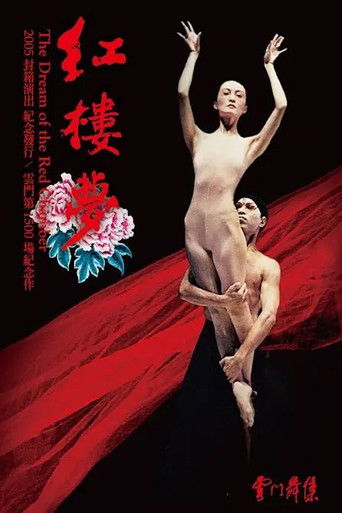
This dance film presents Dream of the Red Chamber as reimagined by Lin Hwai-min and performed by Cloud Gate Dance Theatre of Taiwan, directed for screen by Chang Chao-Tang. Inspired by the classic Chinese novel, the story centers on the fragile love between Jia Baoyu, Lin Daiyu, and Xue Baochai, set against the rise and fall of a great aristocratic family. Lin’s choreography frames the tale as a memory: a young man who has left the garden looks back on a vanished world. The Twelve Beauties appear in flowing, embroidered costumes, moving through falling flowers and shifting seasons. Classical imagery merges with contemporary dance, creating a restrained yet lyrical visual language. Premiered in 1983, the work became one of Cloud Gate’s signature productions. In 2005, Lin retired the piece as the company turned toward a more austere, introspective aesthetic. This film preserves a late-stage performance, documenting a key work from Cloud Gate’s early repertoire.

Director

Nine SongsNine Songs · 2007
Nine Songs
2007
MovieDocumentary
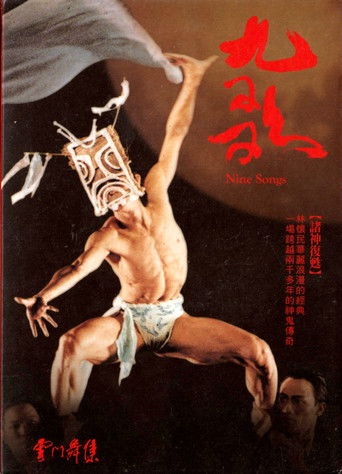
This dance film presents Nine Songs as reimagined by Lin Hwai-min and performed by Cloud Gate Dance Theatre of Taiwan, directed for screen by Chang Chao-Tang. Drawing on ancient ritual poetry, the work evokes prayers to heaven and earth, spirits and ancestors, as well as love and mourning. Masked gods and human figures move together in a ceremonial structure, staging a timeless vision of human experience. Premiered in 1993, Nine Songs became one of Cloud Gate’s most important works. A studio fire in 2008 nearly caused the piece to be lost, but a surviving ceremonial mask remained as a trace of its legacy. This film records the production before the fire, preserving its original form. Moving across layered time and space, the choreography creates a powerful, immersive atmosphere. Through moments of wonder, grief, and ecstasy, the work unfolds toward a state of clarity and quiet transcendence.

Director