Acting
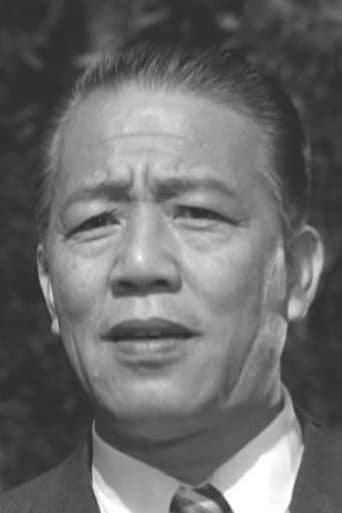
Yin Wang
Born June 25, 1911 · Shanghai, China
Died April 13, 1988 · aged 76
No biography available.
Known For
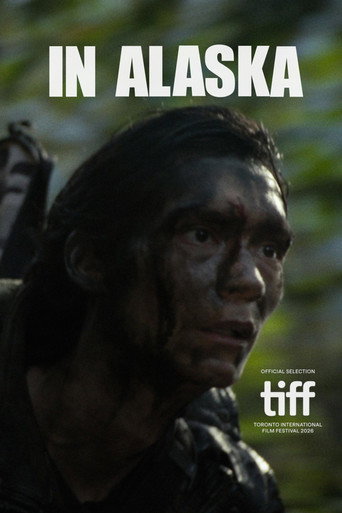 In Alaska · 2026
In Alaska
★ 9.02026
MovieDrama
After accidentally shooting at the TransAlaska Pipeline, Woody, a 17-year old Inuit, becomes the target of a terrorist manhunt. The chase through wilderness is led by veteran FBI agent Susan Tarheel, torn between doing her job and her empathy for the young man…
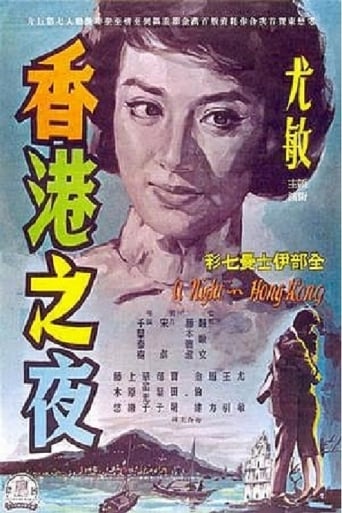 A Night in Hong Kong · 1961
A Night in Hong Kong
★ 10.01961
MovieRomance
Romantic melodrama set in contemporary Hong Kong, Japan and Laos. Hiroshi Tanaka (Takarada) is a Japanese journalist on assignment in Hong Kong who meets and falls in love with Wu Li Hung (Ming). He proposes to Wu Li but she rejects him because of her distaste for mixed marriages (her mother was Japanese but deserted her family and returned to Japan during WWII). Tanaka locates Wu Li’s mother and unsuccessfully tries to reunite them, but eventually Wu Li accepts his proposal. A joyous Tanaka flies off to Laos to finish an assignment but on the eve of his wedding he is killed there.
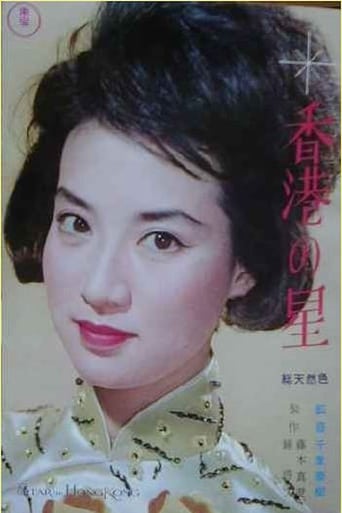 Star of Hong Kong · 1962
Star of Hong Kong
★ 8.01962
MovieRomance
Wang Xinglian returns from her studies in Japan to visit her father in Hong Kong where she has an encounter with the young Japanese Hasegawa Toru. The two meet again and fall in love in Hokkaido when Wang and her best friend Sugimoto Kanako are going on a holiday. Urged by her friend Zhang Yingming to concentrate on her studies, Wang remains ambivalent about the relationship, and is even more upset to realise that Sugimoto is in love with her fellow countryman. Feigning an engagement with Zhang, Wang initiates a break-up with Hasegawa and finds work in Singapore after graduation. Hasegawa learns the real cause of the break-up from Sugimoto in Hong Kong. A frenzy search finally leads to a reunion and a proposal in Kuala Lumpur. However, their love is doomed by a twist of fate as Wang must leave to see her desperately ill father in Hong Kong while Hasegawa has to leave for America to pursue his career.
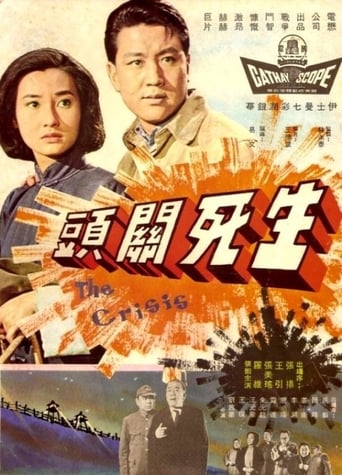 The Crisis · 1964
The Crisis
★ 9.01964
MovieAction
The Crisis is a Hong Kong Action movie starring Sammo Hung in a child role
 The Pistol · 1961
The Pistol
★ 8.01961
MovieAction
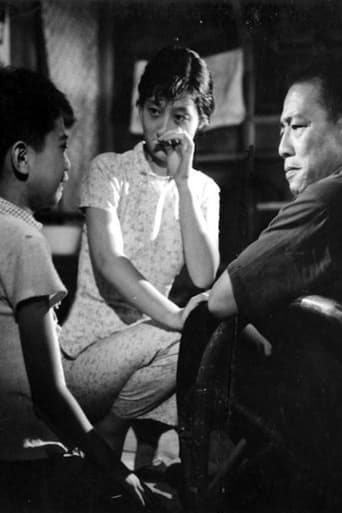
Long unemployed and stone-broke, Shen Jiaguang is dealt a further blow when his wife Lu Xiaoyin has fallen seriously ill and their son Xiaoguang has to quit school.
 The Magic Lamp · 1964
The Magic Lamp
★ 8.51964
MovieDramaMusic
Adapted from one of China's most well-known fairy tales, the Goddess of Mount Hua falls in love with a young mortal scholar Liu Yanchang and gives birth to a baby son, Chenxiang. When Chenxiang grows up, he seeks to unravel the mystery surrounding his mother whom he has never met.
 Father Takes a Bride · 1963
Father Takes a Bride
★ 8.51963
MovieMusicComedy
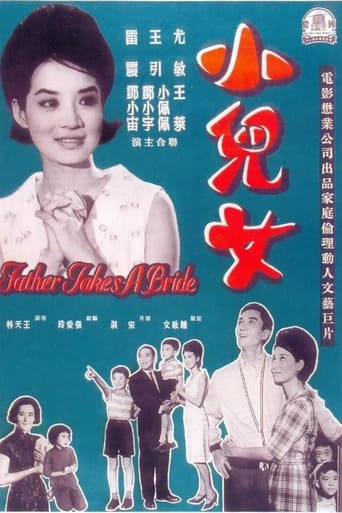
A young lady has taken the place of caring for her two younger brothers since the death of their mother. She is content with putting her life on hold whilst she cares for them until one day...
 Forever Goodbye · 1955
Forever Goodbye
1955
MovieDrama
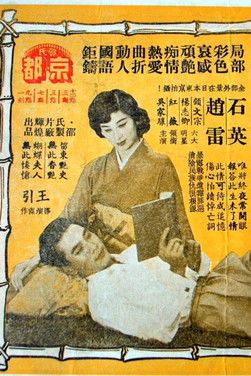
Forever Goodbye 自 君 別 後 (1955) aka Since You Went Away is a Hong Kong Mandarin-language drama film directed by Wang Yin, filmed in Australia and produced by Shaw Brothers Studio. It stars Sek Ying, Chao Lei, Yang Chi-Ching and Wu Chia-Hsiang. This is loosely based on John Luther Long's "Madame Butterfly".
Filmography
Sort
The Pistol · 1961The Pistol
★ 8.01961
MovieAction
Long unemployed and stone-broke, Shen Jiaguang is dealt a further blow when his wife Lu Xiaoyin has fallen seriously ill and their son Xiaoguang has to quit school.
Shen Jia-Guang/Chia-Kuang