F
Directing
Frans Buyens
No biography available.
Known For
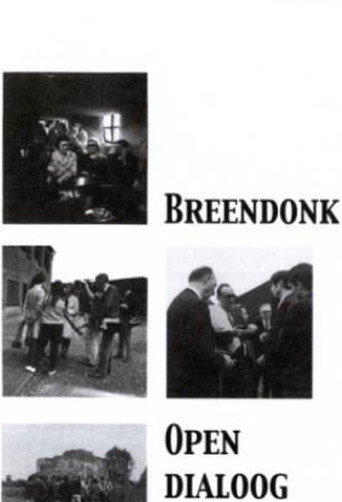 Open Dialoog · 1971
Open Dialoog
1971
MovieDocumentary
Commemoration of the 25th anniversary of the liberation of the SS camp Breendonk. Students meet resistance fighters who were imprisoned there. Discussions arise about the past, present, and future.
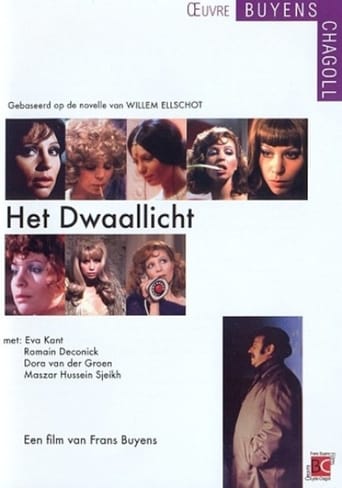 Will o' the Wisp · 1973
Will o' the Wisp
★ 7.01973
MovieDrama
A rainy evening in the harbor of Antwerp. A man named Laarmans is on his way home even though he doesn't want to. Three lost Eastern sailors are looking for a woman named Maria Van Dam and ask Laermans to show them the way. He decides to help them find this mysterious woman.
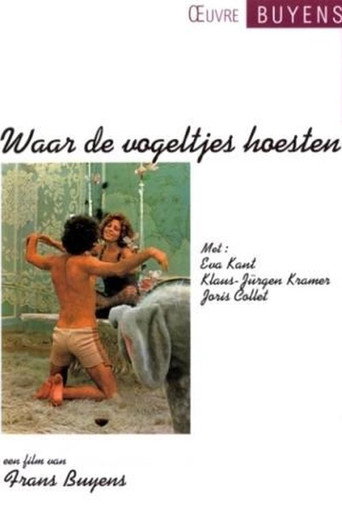 Waar de vogeltjes hoesten · 1974
Waar de vogeltjes hoesten
1974
MovieFantasy
'Waar de vogelstjes hoesten' is a rare, satirical fable presented as a fantasy musical. The film tells the surreal love story of a flower girl and a scarecrow who leave their rural home for the big city. Upon arrival, they quickly become corrupted by industrial capitalism and victims of their own growing greed. Featuring unique choreography by Lydia Chagoll, this experimental production serves as a powerful artistic critique. It explicitly warns against the degradation of the environment and the spiritual pollution of modern human society.
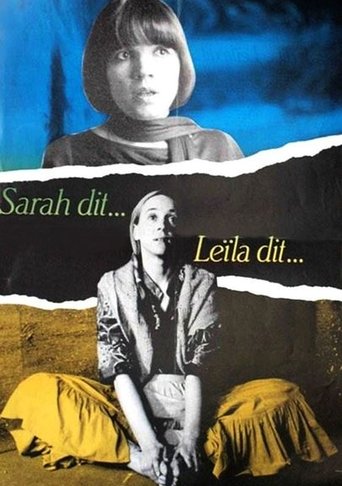 Sarah dit... Leïla dit... · 1983
Sarah dit... Leïla dit...
1983
Movie
This film deals with the experiences of children in concentration camps. The more so because it discloses, above all, circumstances that have hitherto been almost completely untold, namely the fate of children in the camps under the Japanese occupation during World War II. It's a meeting between two women who, when children, were prisoners in concentration camps. One of them was deported to Auschwitz when she was 13 and remained there for two years; the other was interned in a Japanese camp in Indonesia when she was 11 and stayed there for more than three years. The two women talk, each reliving their experiences through a child's heart and soul.
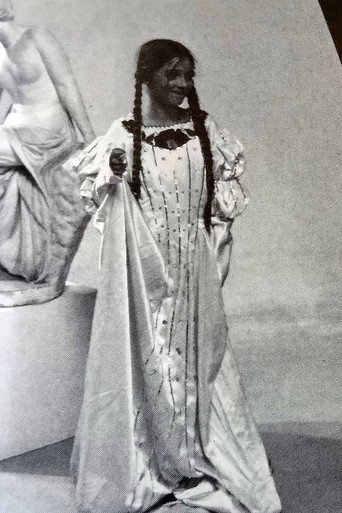 Wondershop · 1974
Wondershop
★ 9.01974
MovieFantasy
A bitter, miserable man runs a chaotic secondhand store, mistreating both his assistant and his customers. One day, a young brother and sister enter his shop, hoping to sell a cherished golden watch. Their arrival disrupts the owner's stingy routines, plunging the children into a surreal, unpredictable world managed by eccentric adults. Frans Buyens’ mid-length feature is a whimsical, satirical fable exploring the clash between childhood innocence and adult greed.
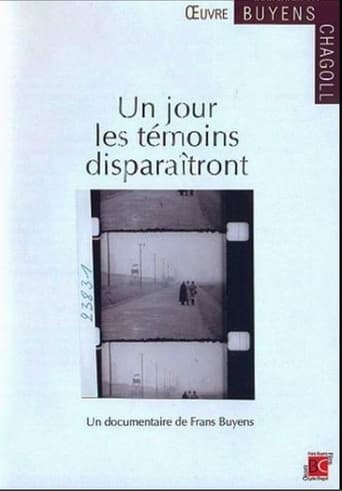 Un jour les témoins disparaîtront · 1979
Un jour les témoins disparaîtront
★ 9.01979
MovieDocumentary
Following the archival horror of the liberation of Nazi concentration camps, this poignant documentary chronicles a study trip organized by the Belgian Auschwitz-Birkenau Association. The film follows 120 young university students and 10 Holocaust survivors as they journey back to Auschwitz and Birkenau. Standing on the historic grounds, the youth confront the devastating past. Through deeply personal dialogues, survivors and students openly debate ethics, institutional racism, and the dangers of dictatorship.
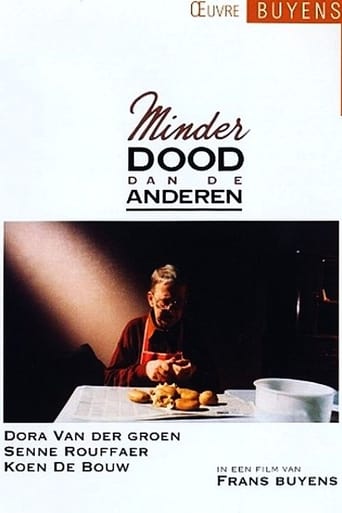 Less Dead Than the Others · 1992
Less Dead Than the Others
★ 10.01992
MovieDrama
Frans Buyens's moving and inventive film is based on his own autobiographical novel, which deals in the most sensitive terms possible with the subject of euthanasia.
 Ieder van ons · 1971
Ieder van ons
★ 10.01971
Movie
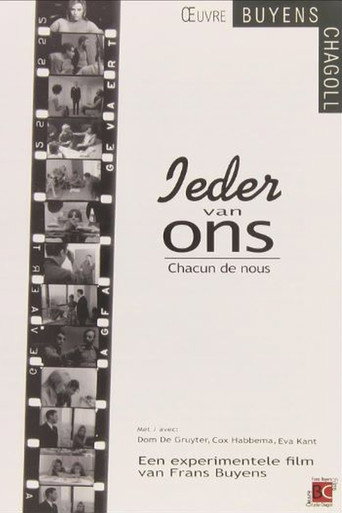
The deeply socially engaged documentary filmmaker Frans Buyens had long dreamed of making the transition to fiction filmmaking. The experimental Ieder van Ons was a first attempt in that direction. In essence, it was an inquiry film shot in a cinéma vérité style about appearance and reality in social commitment. With Ieder van Ons, Buyens wanted to jolt the viewer’s conscience and make them aware of the duty to face the truth and to act accordingly. To achieve this, he combined a fictional plot with documentary scenes. On the one hand, the film contains acted sequences about the awakening conscience of a ruthless political figure; on the other hand, Buyens himself appears before the camera to introduce several actors, their characters, and the situations in which they are about to become involved.
Filmography
Sort