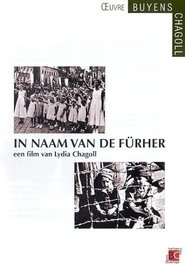
In naam van de Führer

In naam van de Führer

1978 · 87 min · ★ 9.0 · Documentary

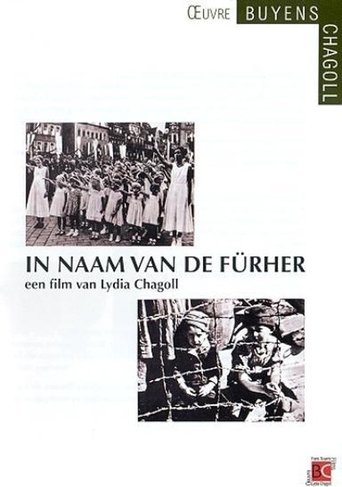
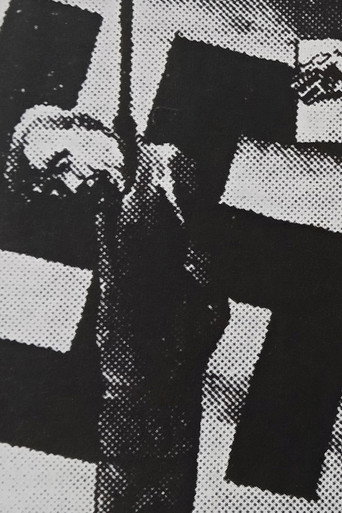
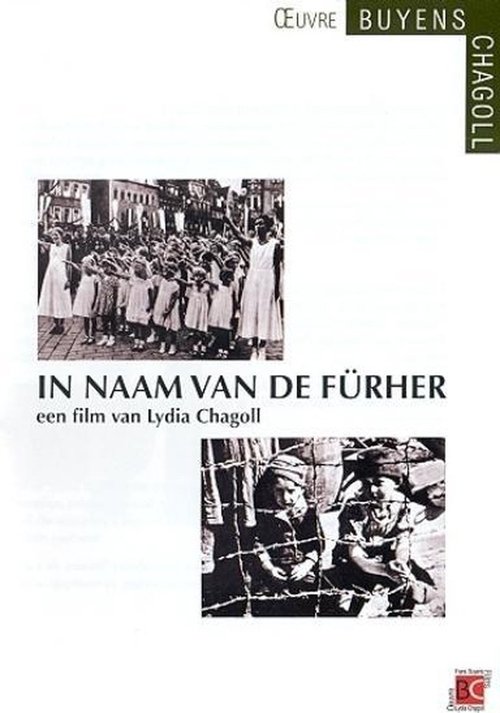
This film deals with the fate of children during the Second World War. The Nazis divided children into two categories: “the good ones,” the Aryan children, and “the bad ones,” the others. In the name of ultranationalism, Nazism, the theory of the Übermensch, and racism, Aryan children were mentally indoctrinated, while the others were imprisoned in camps and physically destroyed. These “others” were mainly children from non-Aryan and supposedly impure races: Jews, Poles, Russians, Yugoslavs, and Roma. For this film, Lydia Chagoll conducted research in World War II documentation centers, museums, and concentration camp archives in several countries, collecting texts, documents, and photographs. The film consists of a montage of photos and footage filmed by the Nazis themselves, accompanied by voice-over commentary based entirely on quotations from Nazi publications, laws, decrees, directives, newspapers, schoolbooks, reports, and political texts.

Directed by Lydia Chagoll · Written by Lydia Chagoll

Your Rating

More from Lydia ChagollSee all →

Less Dead Than the OthersLess Dead Than the Others · 1992
Less Dead Than the Others
10.01992
MovieDrama
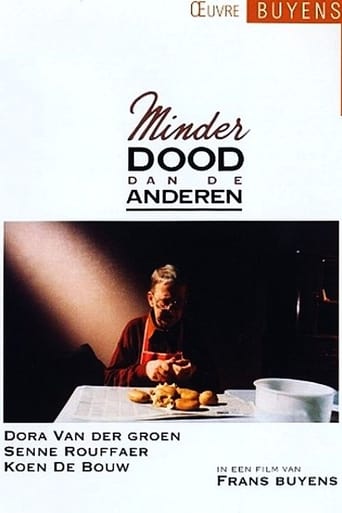
Frans Buyens's moving and inventive film is based on his own autobiographical novel, which deals in the most sensitive terms possible with the subject of euthanasia.
Un jour les témoins disparaîtrontUn jour les témoins disparaîtront · 1979
Un jour les témoins disparaîtront
9.01979
MovieDocumentary
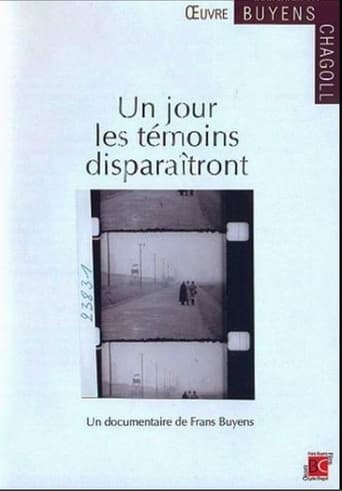
Following the archival horror of the liberation of Nazi concentration camps, this poignant documentary chronicles a study trip organized by the Belgian Auschwitz-Birkenau Association. The film follows 120 young university students and 10 Holocaust survivors as they journey back to Auschwitz and Birkenau. Standing on the historic grounds, the youth confront the devastating past. Through deeply personal dialogues, survivors and students openly debate ethics, institutional racism, and the dangers of dictatorship.
Frits Van den BergheFrits Van den Berghe · 1977
Frits Van den Berghe
8.01977
MovieDocumentary
A compilation film, divided into four separate segments, that explores the life and work of the Flemish expressionist painter Frits Van den Berghe (1883–1939). What makes this inspired art film special is that director Buyens does not use a voice-over or commentary text, a deliberate choice intended to give the viewer the opportunity to discover and interpret the painter’s world on their own. Another striking feature is its stripped-down soundtrack, featuring music by Arsène Souffriau.
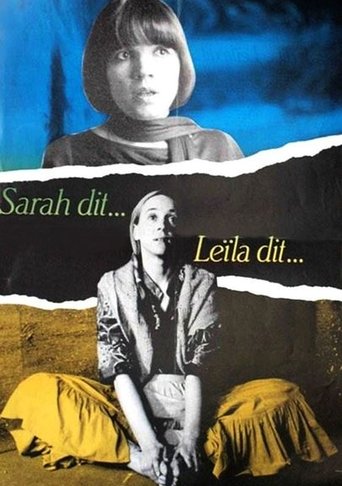
Sarah dit... Leïla dit...Sarah dit... Leïla dit... · 1983
Sarah dit... Leïla dit...
1983
Movie
This film deals with the experiences of children in concentration camps. The more so because it discloses, above all, circumstances that have hitherto been almost completely untold, namely the fate of children in the camps under the Japanese occupation during World War II. It's a meeting between two women who, when children, were prisoners in concentration camps. One of them was deported to Auschwitz when she was 13 and remained there for two years; the other was interned in a Japanese camp in Indonesia when she was 11 and stayed there for more than three years. The two women talk, each reliving their experiences through a child's heart and soul.
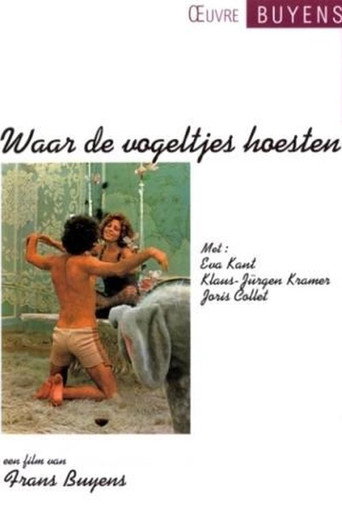
Waar de vogeltjes hoestenWaar de vogeltjes hoesten · 1974
Waar de vogeltjes hoesten
1974
MovieFantasy
'Waar de vogelstjes hoesten' is a rare, satirical fable presented as a fantasy musical. The film tells the surreal love story of a flower girl and a scarecrow who leave their rural home for the big city. Upon arrival, they quickly become corrupted by industrial capitalism and victims of their own growing greed. Featuring unique choreography by Lydia Chagoll, this experimental production serves as a powerful artistic critique. It explicitly warns against the degradation of the environment and the spiritual pollution of modern human society.
La petite peau blanche...La petite peau blanche...
La petite peau blanche...
Movie
Voor een glimlach van een kindVoor een glimlach van een kind
Voor een glimlach van een kind
Movie
Duo-portretDuo-portret
Duo-portret
Movie

More Like This

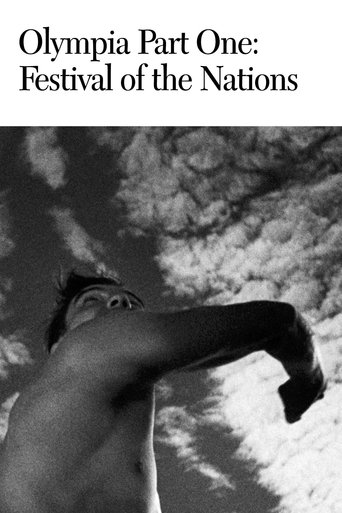
Olympia Part One: Festival of the NationsOlympia Part One: Festival of the Nations · 1938
Olympia Part One: Festival of the Nations
6.91938
MovieDocumentary
Starting with a long and lyrical overture, evoking the origins of the Olympic Games in ancient Greece, Riefenstahl covers twenty-one athletic events in the first half of this two-part love letter to the human body and spirit, culminating with the marathon, where Jesse Owens became the first track and field athlete to win four gold medals in a single Olympics.
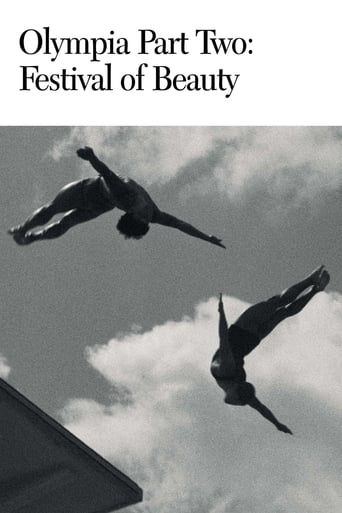
Olympia Part Two: Festival of BeautyOlympia Part Two: Festival of Beauty · 1938
Olympia Part Two: Festival of Beauty
6.71938
MovieDocumentary
Part two of Leni Riefenstahl's monumental examination of the 1938 Olympic Games, the cameras leave the main stadium and venture into the many halls and fields deployed for such sports as fencing, polo, cycling, and the modern pentathlon, which was won by American Glenn Morris.

Rate this film

Your ratings make Midnight smarter