Directing
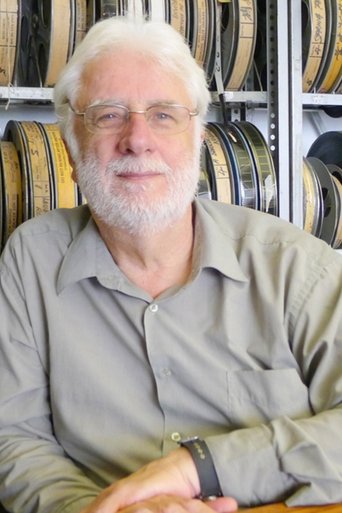
Dirk de Bruyn
Dirk de Bruyn is Associate Professor of Screen and Design at Deakin University, Melbourne, Australia where he teaches Animation and Documentary Animation modules. He has made numerous animations, performance and installation work over the last 40 years. His book "The Performance of Trauma in Moving Image Art" was published in 2014. His recent animations such as "Re-Vue" (2017), "Chanting" (2018), …
Known For
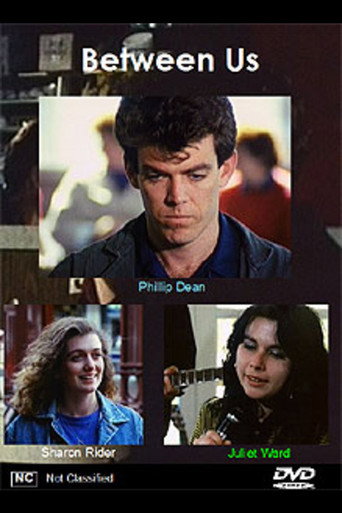 Between Us · 1989
Between Us
1989
Movie
The story of Rick, a washing-machine serviceman, and his relationships with two very different women.
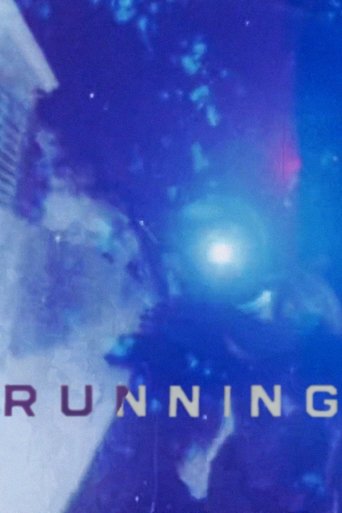 Running · 1976
Running
★ 3.01976
MovieDocumentary
The film tries to 'destroy time' by the cyclical reworking of a short period of time. Gradually the image becomes less discernible and the flashing positive and negative images force the viewer to stare rather than looking at the film. As the film progresses the viewer becomes trapped in a short period of time.
 Thought/Action · 2026
Thought/Action
2026
Movie
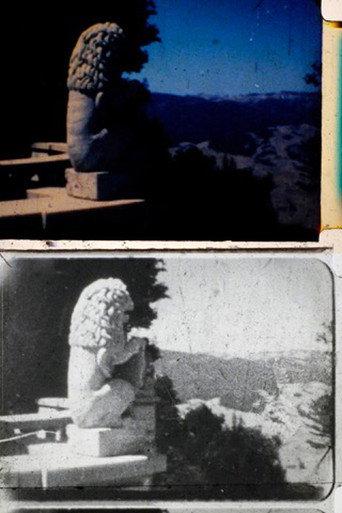
Initiated in 1996 and completed in 2026, this home-processed 16mm film was inspired by Marc Adrian’s Total (1968) and incorporates the voices of Moucle Blackout and László Dudás. Partially shot at Hearst’s San Simeon Castle, in Canada, and at the Royal Melbourne Show, the work explores the possibility of overcoming traumatic thought through material actions on the film surface. The temporal gap of its completion registers both the persistence of and resistance to traumatic experience.
 Walk · 1980
Walk
1980
Movie
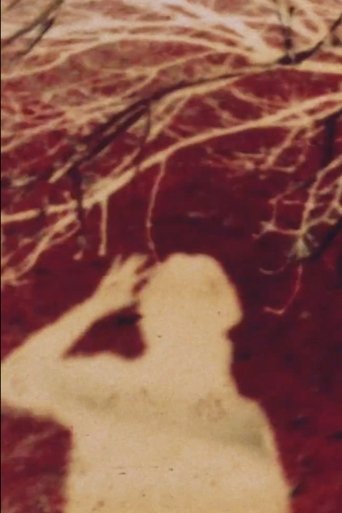
The film follows walking feet and progresses to a preoccupation with the dancing shadow of the camera and the filmmaker. Much of the footage was home-processed to obtain the golden colours and solarization effects. In part the film documents the marking out of suburban space. By that I mean, that in suburban property the front and back yards form a private domain. This film tries to illuminate that space.
 Empire · 2014
Empire
2014
Movie
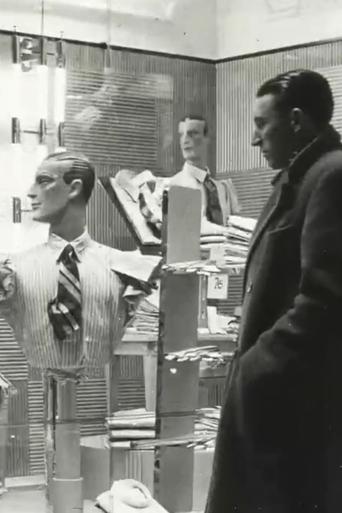
Empire re-animates found historic stereographic photographs predominantly of Melbourne’s city centre between 1927 and 1940 when the colonial trace was slowly receding to produce a stereoscopic effect. Melbourne’s main Flinder’s Street Intersection is unsettlingly transformed into a Cubist perceptual maelstrom through repetition and flicker.
 RemmbrMe · 2007
RemmbrMe
2007
Movie
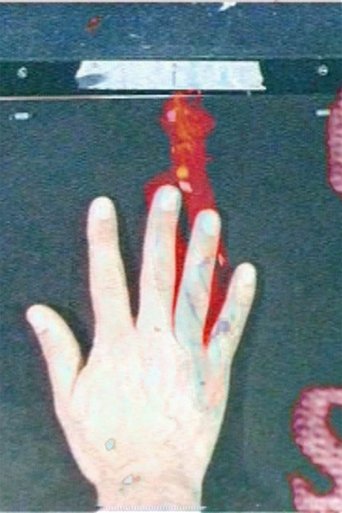
Dirk De Bruyn’s eleven-minute RemmbrME (2007) is a visually engaging film that documents in a painterly fashion the numerous gaps and intersections between analogue and digital moving image manipulation. RemmbrME is a work that critically focuses on the re-shaping of the lost material that is germane to a basic cameraless direct-on-film practice and resonates important ideas concerning the increasing fusion between analogue and digital image-making in our everyday culture.
 Wap · 2012
Wap
2012
Movie
WAP stands for White Australia Policy, a racist policy which limited migration into Australia into the nineteen fifties. This policy can be read as a marker of the guilt surrounding the Aboriginal genocide that had blotted white settlement of Australia since its inception. This film re-frames historic material to allow the voices of the deferred and dispossessed to speak their trauma, speaking often through the bodies and voices of the oppressor to reveal the unspoken truth.
 Pattern Recognition · 2019
Pattern Recognition
2019
MovieAnimation
An intriguing exploration of the changing impact of speed on our ability to view an image and construct meaning and narrative.
Filmography
Sort