Traceless Traces
2025 · 5 min
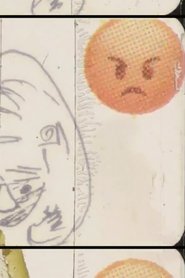
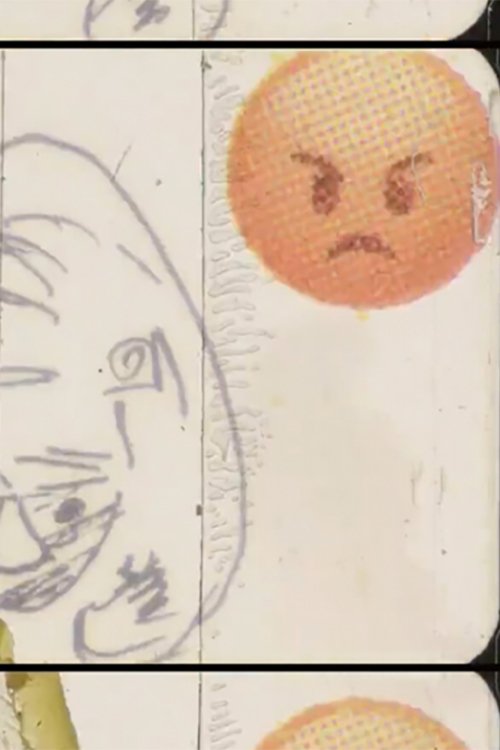
Poetry video bridging the gap between analog and digital media, enunciating a trace-less trauma embedded in the surface of materialist film. Created by drawing and dying directly on the emulsion surface of acetate film.
Directed by Dirk de Bruyn
Your Rating
More from Dirk de BruynSee all →
 Rote Movie · 1994
Rote Movie
★ 5.01994
Movie
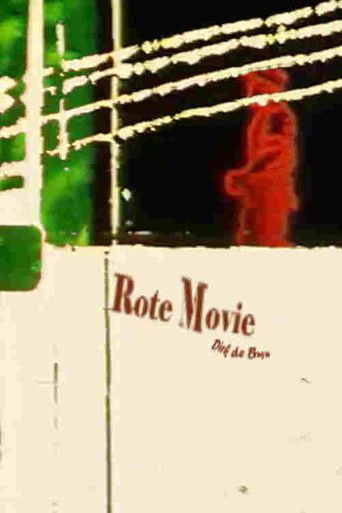
"'Rote Movie' is part of a series of works examining aspects of the traumatic experience. It is an examination of decay and forgetting, where what both distance and time can bring to one's private feelings of belonging and home. Highly immersed in a fragmented and disjointed haptic space of its own materiality, this film stutters out its thoughts frame by frame" - Steven Ball, 'Mesh' 3, Autumn 1994.
 Experiments · 1982
Experiments
★ 5.01982
Movie
de Bruyn uses animation, optical illusions, time lapse, solarization, hand tinting, flash frames, refilming and flicker effects, accompanied by a dense atmosphere of word puns, dialogue, primal screams, music and even recycled and letraseted soundtracks. By setting experiments entirely within his Moonee Ponds house, de Bruyn creates such a complex sense of claustrophobia, the spectator, while recognising the staid, conservative trappings of urban Melbourne, is present with the sort of art neurosis more commonly found in megacities like New York. The principal actor in Experiments is the narrator, whose anarchistic mind ruminates, struggles and screams from relief from the ravages of suburban Moonee Ponds, and the psychological suburbia of his mind... Experiments, its cacophony of images flickering on two screens, throws up everything from schizophrenic madness to baby nappies, inviting you to participate in the cathartic recesses of a personal nightmare. (Steven McIntyre)
 Running · 1976
Running
★ 3.01976
MovieDocumentary
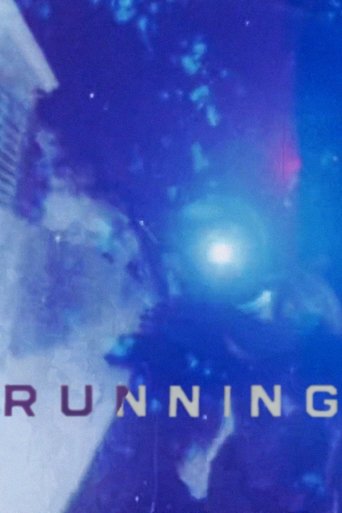
The film tries to 'destroy time' by the cyclical reworking of a short period of time. Gradually the image becomes less discernible and the flashing positive and negative images force the viewer to stare rather than looking at the film. As the film progresses the viewer becomes trapped in a short period of time.
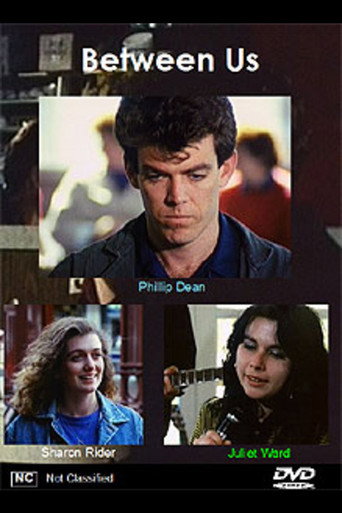 Between Us · 1989
Between Us
1989
Movie
The story of Rick, a washing-machine serviceman, and his relationships with two very different women.
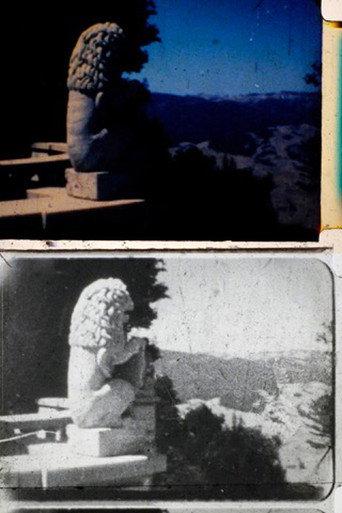 Thought/Action · 2026
Thought/Action
2026
Movie
Initiated in 1996 and completed in 2026, this home-processed 16mm film was inspired by Marc Adrian’s Total (1968) and incorporates the voices of Moucle Blackout and László Dudás. Partially shot at Hearst’s San Simeon Castle, in Canada, and at the Royal Melbourne Show, the work explores the possibility of overcoming traumatic thought through material actions on the film surface. The temporal gap of its completion registers both the persistence of and resistance to traumatic experience.
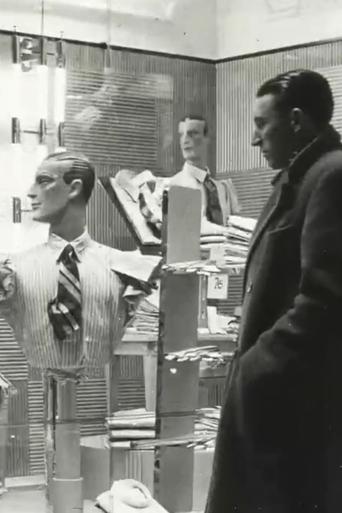 Empire · 2014
Empire
2014
Movie
Empire re-animates found historic stereographic photographs predominantly of Melbourne’s city centre between 1927 and 1940 when the colonial trace was slowly receding to produce a stereoscopic effect. Melbourne’s main Flinder’s Street Intersection is unsettlingly transformed into a Cubist perceptual maelstrom through repetition and flicker.
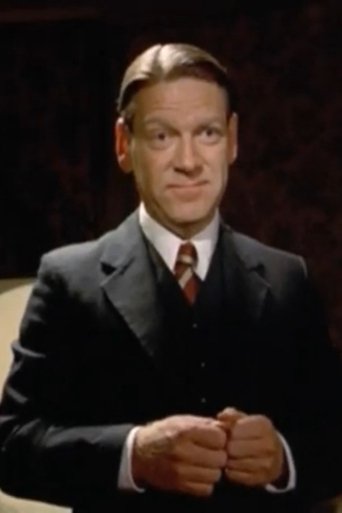 Wap · 2012
Wap
2012
Movie
WAP stands for White Australia Policy, a racist policy which limited migration into Australia into the nineteen fifties. This policy can be read as a marker of the guilt surrounding the Aboriginal genocide that had blotted white settlement of Australia since its inception. This film re-frames historic material to allow the voices of the deferred and dispossessed to speak their trauma, speaking often through the bodies and voices of the oppressor to reveal the unspoken truth.
 RemmbrMe · 2007
RemmbrMe
2007
Movie
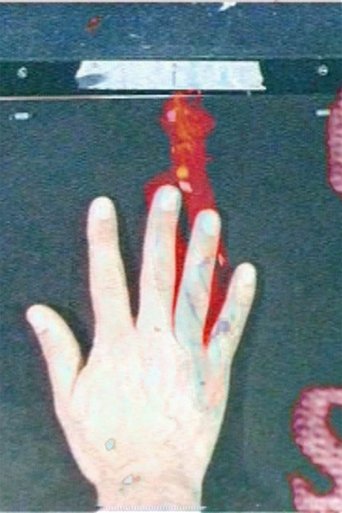
Dirk De Bruyn’s eleven-minute RemmbrME (2007) is a visually engaging film that documents in a painterly fashion the numerous gaps and intersections between analogue and digital moving image manipulation. RemmbrME is a work that critically focuses on the re-shaping of the lost material that is germane to a basic cameraless direct-on-film practice and resonates important ideas concerning the increasing fusion between analogue and digital image-making in our everyday culture.
 Recover · 2017
Recover
2017
Movie
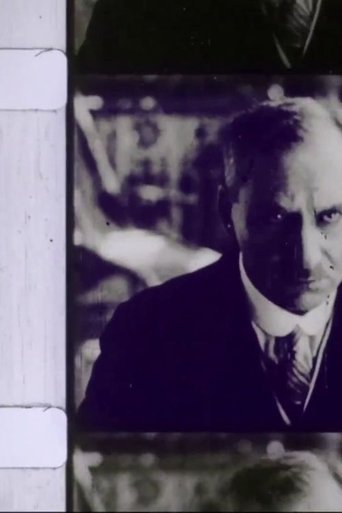
Dirk de Bruyn explores the history of Australian storytelling; the unknown, the forgotten and the lies we tell ourselves.
 Walk · 1980
Walk
1980
Movie
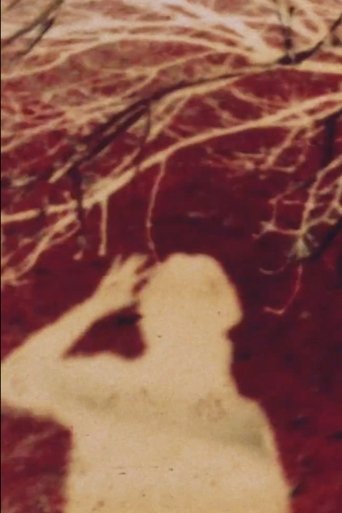
The film follows walking feet and progresses to a preoccupation with the dancing shadow of the camera and the filmmaker. Much of the footage was home-processed to obtain the golden colours and solarization effects. In part the film documents the marking out of suburban space. By that I mean, that in suburban property the front and back yards form a private domain. This film tries to illuminate that space.
 Schists 2023 · 2023
Schists 2023
2023
Movie
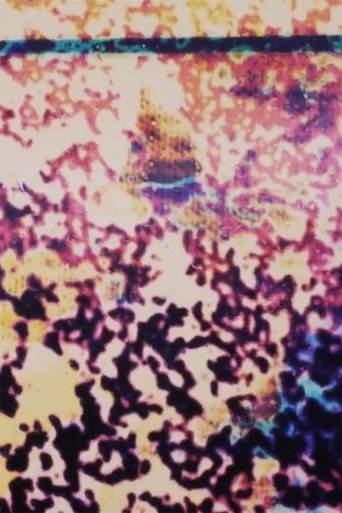
Could not find a full copy of Schist so I uploaded this, an extended and manipulated version to celebrate the beginning of a 2023 full of holes and gaps. I put this copy through the optical printer and then insert bits and pieces of film and detritus in front of the camera on the run to add another layer of material, cut up slides, letraset, plastic etc, additional activity to the moving image.
 Homecomings · 1987
Homecomings
1987
Movie
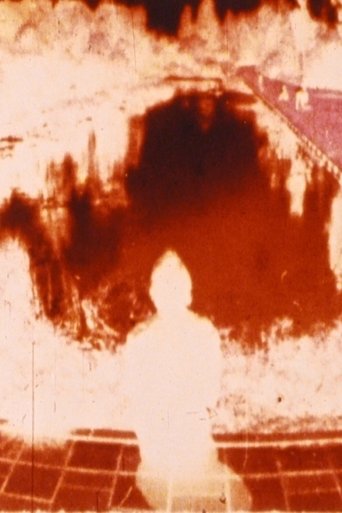
De Bruyn combines his particular filmic effect/interest (rhythm) with the tangible reality around him. In Homecomings there is an incredible sense of the filmmaker living and breathing his practice. In what is essentially a diary film of a man going back to his homeland, strange things start to happen: photos are animated too quick to catch, actions are sped up through timelapse, and, most profoundly of all, certain shots get transformed into their drawn-on-film equivalents. When we see (from behind) Dirk's son Kees sitting at a table drawing and then the same scene/action but obviously hand-drawn onto the film, it speaks volumes about the filmmaker and his interaction with the world, and is also a sublimely new configuration (in cinema's history) of sight and sound, of signification if you like. Homecomings is a long auto-biographical/diary film that combines the filmmaker's life with the filmmaker's practice. -Bill Mousoulis
 Pattern Recognition · 2019
Pattern Recognition
2019
MovieAnimation
An intriguing exploration of the changing impact of speed on our ability to view an image and construct meaning and narrative.
 Frames · 1986
Frames
1986
Movie
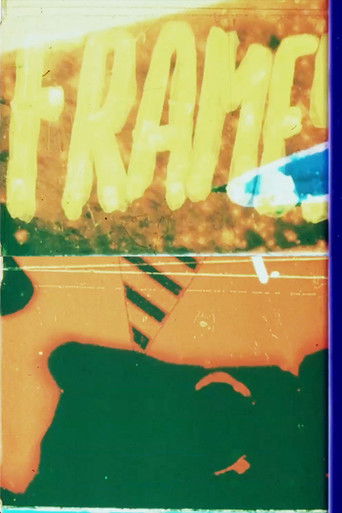
Frames like de Bruyn's other recent effort Cha-Hit (1986) is an overwhelming film constantly in motion, blitzing its audience with abstract visuals. The film is a mixture of flickery, Letraset, light, scratching and hand-drawn colours. So rapid is the movement that it makes you wonder at times if you are looking at an image or its afterimage. Could a film like Frames be damaging to your retina or neurological functions? If you sat in front of this type of film long enough, would it send you on a trip? Could it awaken a patient out of a coma? After a confronting seven minutes I felt exhausted and slightly frazzled, such is the power of the film. A Dirk de Bruyn retrospective would certainly kill me. -Glen Hannah
 My Blessings · 1997
My Blessings
1997
Movie
A diary film, chronicling six days in the life of a woman in her early 30's. A portrait of isolation, striving, rejection and hope.
 White Bat · 2021
White Bat
2021
MovieAnimation
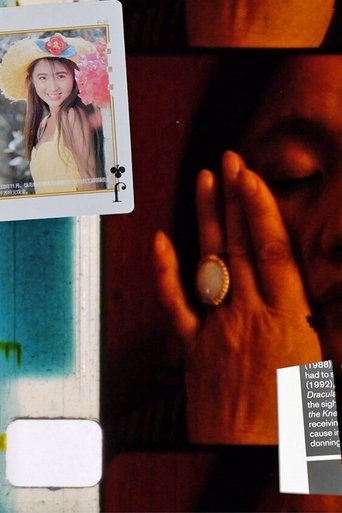
An experimental animation that draws the micro and macro into stark relation, "White Bat" occupies a no-zone that separates you from your own body. "White Bat" is a virus dripping from the roof of your skull. Its violence and racism peppers your body with denial, numbness and avoidance, and festers.
More Like This
Couldn't load this row right now.