Acting
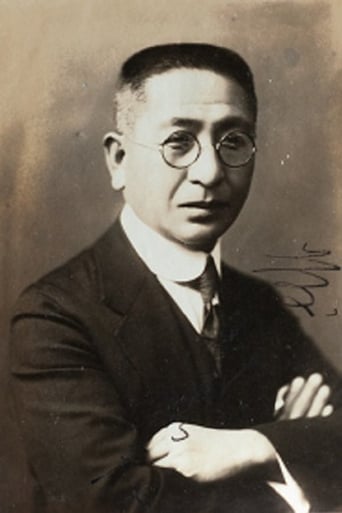
Hideo Fujino
Born May 16, 1878 · Tokyo, Japan
Died February 11, 1956 · aged 77
No biography available.
Known For
 Brothers and Sisters of the Toda Family · 1941
Brothers and Sisters of the Toda Family
★ 6.91941
MovieDrama
After the death of her husband, an elderly woman and her youngest, unmarried daughter are forced to sell their house to cover his debts and decide to move in with one of the former's children, each of whom is scarcely happy to accommodate.
 Spring Thunder · 1939
Spring Thunder
1939
Movie
Eiko is an innocent young lady born into a wealthy family with nothing to offer. She was good at singing, and lived her life playing around with her cronies, organizing music concerts and so on. However, things change when her father's business fails and she was suddenly thrown out into the world without any foundation. Eiko has no one to support her after she loses her social status, and her only tutor, Shinnosuke (Natsukawa Daijiro) was the only one who was sincere. Eiko is a stickler for using everything she can get her hands on, and she quickly moves into Shinnosuke's house.
 Housewife Camellia · 1936
Housewife Camellia
★ 7.01936
Movie
The narrative is about a woman who faces hard times, when her husband is arrested for a crime committed by his boss. The woman also has a child to look after, and they end up meeting several colorful personalities.
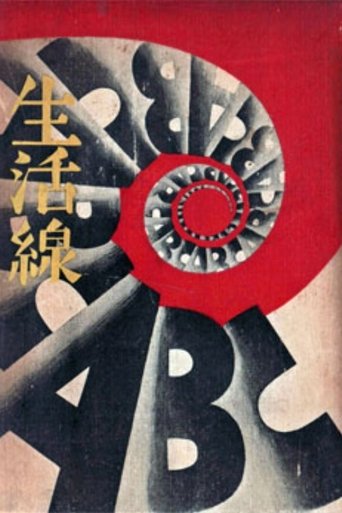 ABC Lifeline · 1931
ABC Lifeline
★ 6.71931
Movie
Japanese silent film directed by Yasujirô Shimazu, originally released as a two-part movie on December 11, 1931.
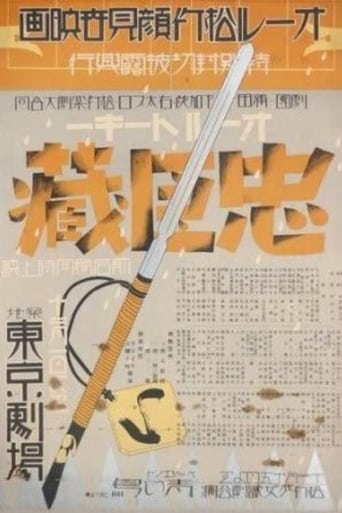 The Loyal 47 Ronin · 1932
The Loyal 47 Ronin
1932
MovieDrama
This 1932 adaptation is the earliest sound version of the ever-popular and much-filmed Chushingura story of the loyal 47 retainers who avenged their feudal lord after he was obliged to commit hara-kiri due to the machinations of a villainous courtier. As the first sound version of the classic narrative, the film was something of an event, and employed a stellar cast, who give a roster of memorable performances. Director Teinosuke Kinugasa was primarily a specialist in jidai-geki (period films), such as the internationally celebrated Gate of Hell (Jigokumon, 1953), and although he is now most famous as the maker of the avant-garde silent films A Page of Madness (Kurutta ichipeji, 1926) and Crossroads (Jujiro, 1928), Chushingura is in fact more typical of his output than those experimental works. The film ranked third in that year’s Kinema Junpo critics’ poll, and Joseph Anderson and Donald Richie noted that 'not only the sound but the quick cutting was admired by many critics.
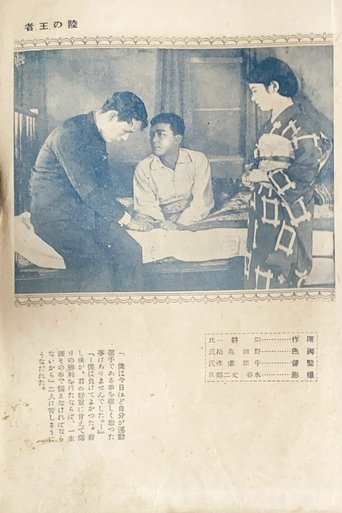 King of the Land · 1928
King of the Land
1928
MovieDrama
Japanese silent film from 1928, ranked as Kinema Junpo's second-best Japanese movie of the year.
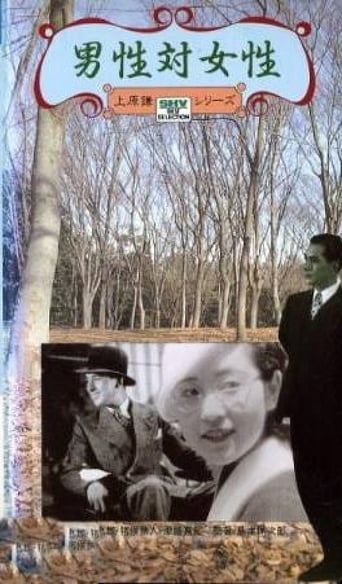 Men vs. Women · 1936
Men vs. Women
★ 7.01936
MovieComedyMusic
Three couples connected to rival business and theatrical families navigate complicated romances, workplace disputes, and family opposition.
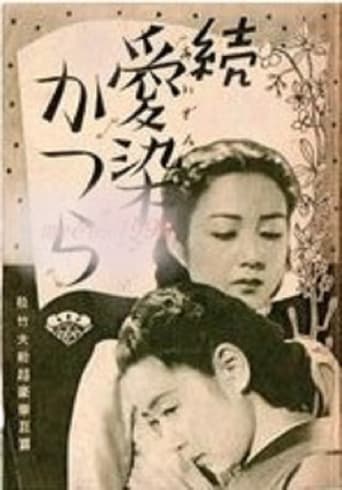 Zoku aizen katsura · 1939
Zoku aizen katsura
★ 8.01939
Movie
1939 Japanese movie
Filmography
Sort

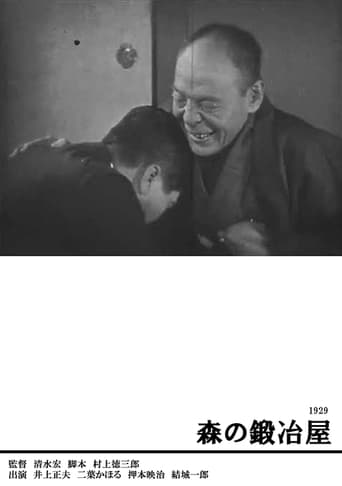
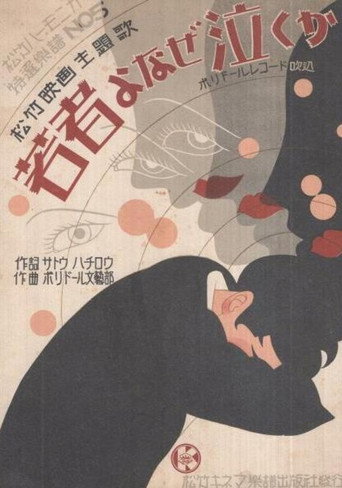 Youth, Why Do You Cry? · 1930
Youth, Why Do You Cry?
1930
MovieDrama
A modern girl suddenly intrudes into a widower's family home.
Takeichi Uesugi
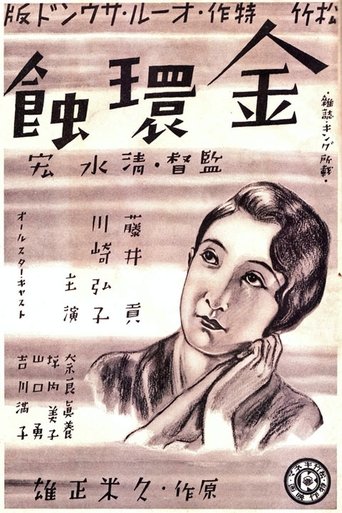
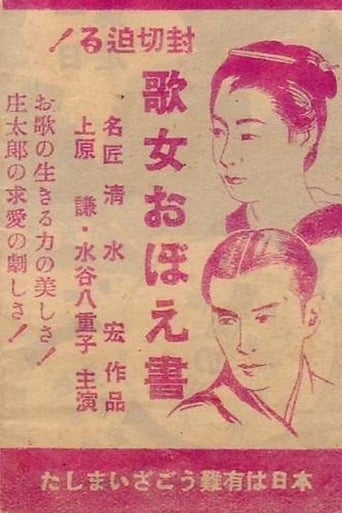
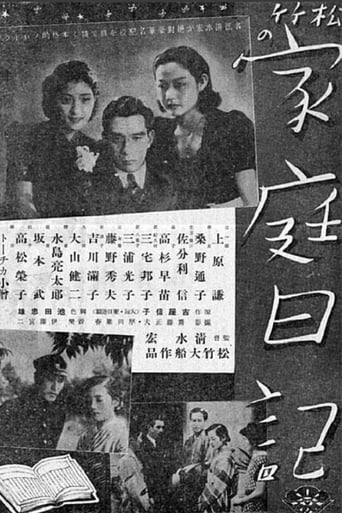
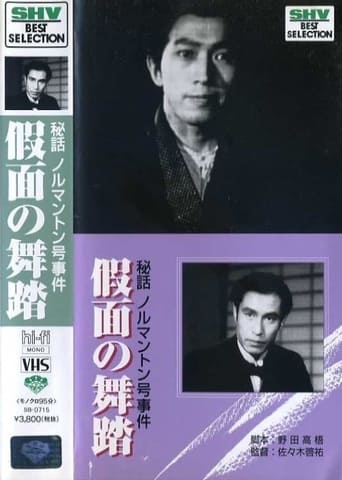 Dancing with a Mask · 1943
Dancing with a Mask
1943
MovieHistory
Japanese propaganda film about the Normanton Incident.
Akimasa, father
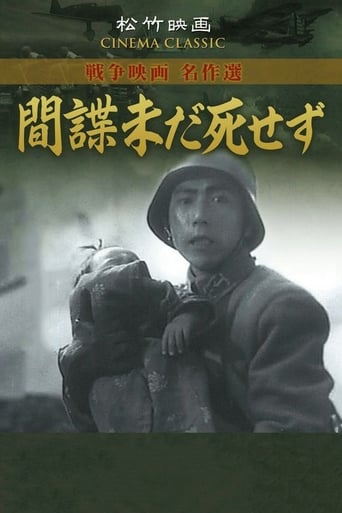
 Young Master · 1926
Young Master
1926
Movie
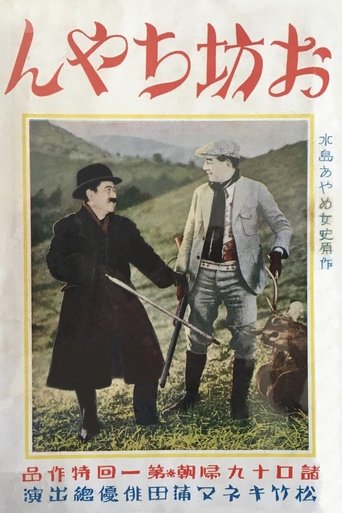
Japanese silent film from 1926. (Obo-chan meaning "Young Master.") Written by Ayame Mizushima, the first female screenwriter in Japan.
Kizaki Yoshifusa (Engineer)
 Silver Stream · 1931
Silver Stream
★ 7.01931
Movie
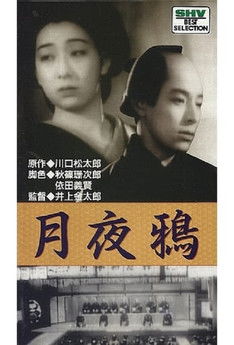
Michiko gets pregnant after a rape. She marries a boring business partner of her father to avoid the shame. Later she meets the rapist again who is now a union leader in opposition of her husband.
Kentaro Terao, Michiko's Father