Hideo, It's Me, Mama

Hideo, It's Me, Mama

1986 · 27 min · Drama

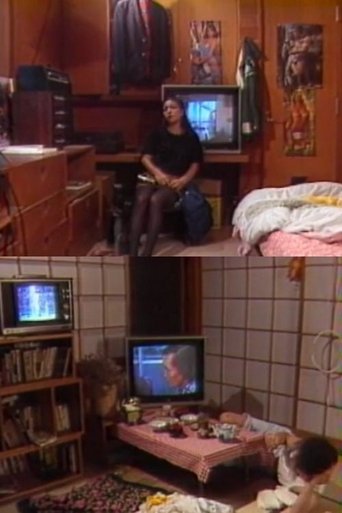
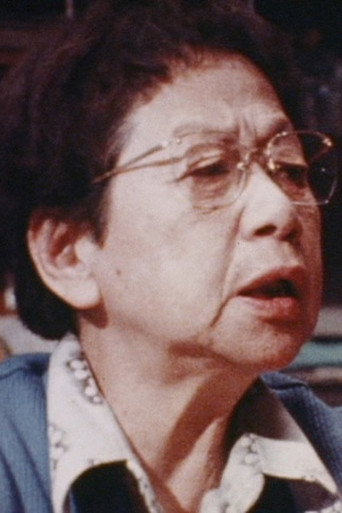
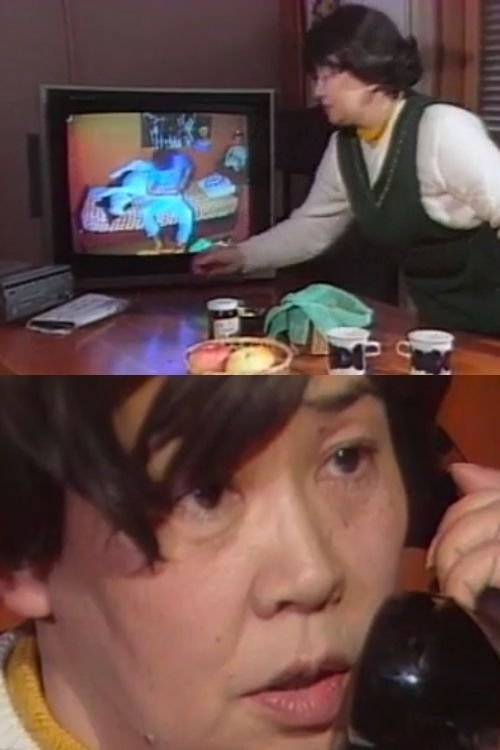
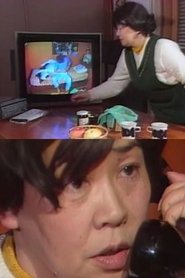
HIDEO, It's Me, Mama is a psychological melodrama that introduces narrative and structural devices that are integral to Idemitsu's work. Exploring the flawed universe of the contemporary Japanese family, she focuses on a woman's identity as mother through mother-child and husband-wife relationships. Hideo, a young man living away from his parents, is kept under constant surveillance by his doting mother via an omnipresent television monitor. In a cogent metaphor for familial relations in the media-saturated culture of contemporary Japan, Mama can only communicate with her beloved, absent son through the video screen. Idemitsu's poignant irony is embodied in the scene in which Mama, blind to her husband's needs, caresses Hideo's video image. (Electronic Arts Intermix)

Directed by Mako Idemitsu

Your Rating

Cast

More from Mako IdemitsuSee all →
At Santa Monica 1At Santa Monica 1 · 1973
At Santa Monica 1
5.01973
Movie
A woman’s image as a mind-scape, after she had plastic surgery.
Inner ManInner Man · 1972
Inner Man
1972
Movie
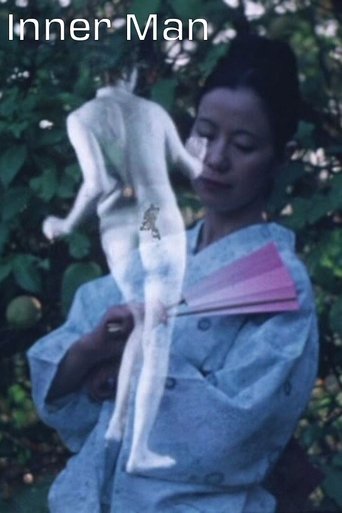
This film shows the images of a dancing woman who is wearing Kimono overlapping another image which a naked man is dancing. This is one of the original psychological concepts of C.G. Jung. For women, Animus is an image of a man by projection of her mental energy.
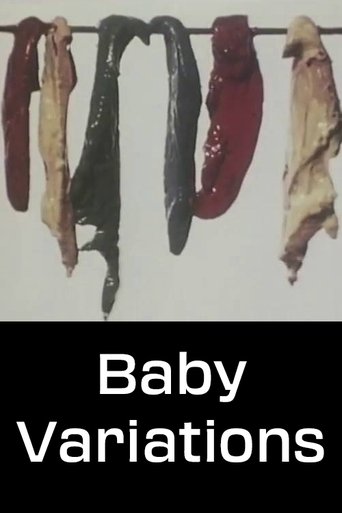
Baby VariationsBaby Variations · 1974
Baby Variations
1974
Movie
The film shows vivid close-ups of a liver with the background music of “My Baby” by Janice Joplin.
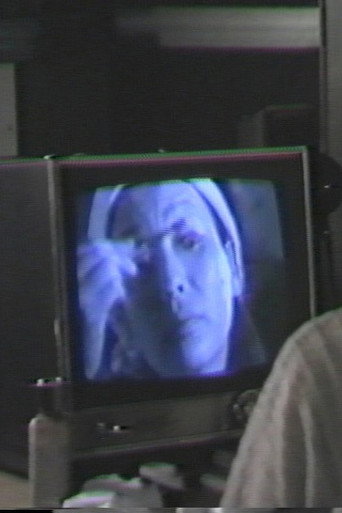
Make UpMake Up · 1978
Make Up
1978
Movie
In Idemitsu's experiment using a video camera and monitor, the reflexive exercise looking into a mirror is swapped with the monitor, suggesting a reflection on the history of women's relationship with makeup.
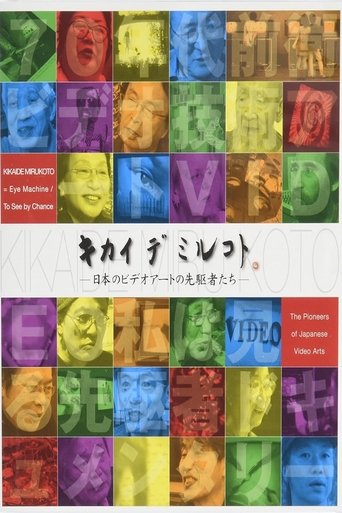
KIKAIDE MIRUKOTO = Eye Machine / To See by Chance –The Pioneers of Japanese Video Arts–KIKAIDE MIRUKOTO = Eye Machine / To See by Chance –The Pioneers of Japanese Video Arts– · 2013
KIKAIDE MIRUKOTO = Eye Machine / To See by Chance –The Pioneers of Japanese Video Arts–
2013
MovieDocumentary
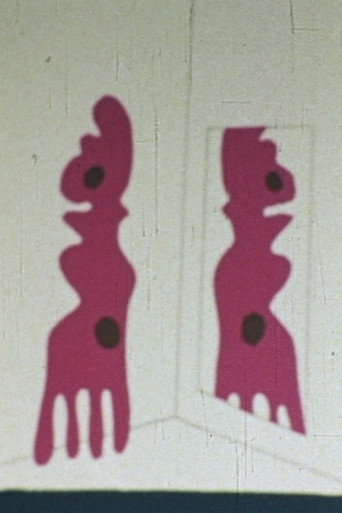
Video began as a medium that inspired discovery. This art documentary traces the expressive roots of “media art” in Japan — works of video, performances, and installations created using video technology that allowed for free and creative visual expression.
NextNext · 1973
Next
1973
MovieAnimation
A film made using a work of Cindy Sherman, expresses Idemitsu's free and easy sense of humor.
The Marriage of YasushiThe Marriage of Yasushi · 1986
The Marriage of Yasushi
1986
Movie
Today, Japan is envied by the world for her economic prosperity, which however, has resulted in producing this sort of average family. Its contains a wife who has to serve her husband, a preoccupied businessman, and who showers all her attention on her child who is also left behind at home with the mother. The child, especially a son, becomes a replacement for her husband. Mother and son share an intimate life like lovers at home without the husband. It seems that this is such a common occurrence that Japanese society ignores this video work. Those that are envious of the Japanese economic success will become less so if they see this work and realize what this real phenomena in Japanese society is like.
Great Mother (Sachiko)Great Mother (Sachiko) · 1986
Great Mother (Sachiko)
1986
Movie
The relationship between the mother and daughter is psychologically very tight. The isolated husband is irritated and becomes violent whenever he drinks but the two women cannot understand the reason of his violence. The mother lets the daughter marry for appearance's sake although in reality she hangs onto the daughter forever.
Animus Part 1Animus Part 1 · 1982
Animus Part 1
1982
Movie
This work portrays 'Animus,' a Jungian concept representing the masculine aspect within women. The Animus embodies both positive and negative dimensions; however, its destructive sides - namely prejudice and rigid attitudes - are demonstrated here through female dialogue and behavior.
Whispering LightWhispering Light · 1985
Whispering Light
1985
Movie
Whispering Light, 1985, film, 10:50 min, color In this emblematic personal film, light and shadow of plants is successfully constructed over the subjective gaze of the narrator who is working through her mother’s death.
At Santa Monica 2At Santa Monica 2 · 1974
At Santa Monica 2
1974
Movie
This film is composed of different images of a girl, clouds, and trees.
Shadow Part 2Shadow Part 2 · 1982
Shadow Part 2
1982
Movie
Housewives who find faults in other women that they refuse to admit in themselves, gossiping about them as if it were none of their business. This work visualizes the concept of the 'shadow' as it manifests within everyday occurrences.
Kiyoko's SituationKiyoko's Situation · 1989
Kiyoko's Situation
1989
Movie
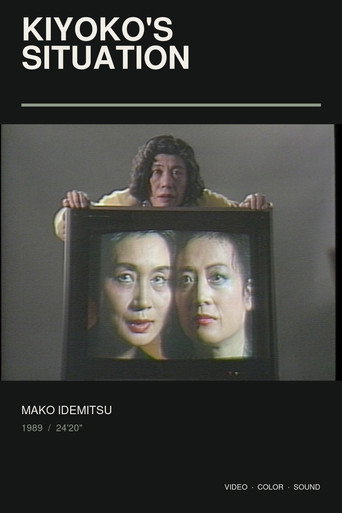
Kiyoko's Situation articulates the deeply embedded cultural roles of Japanese women through the parallel stories of two female artists, Kiyoko and Tani. In Idemitsu's narrative-within-a-narrative, "Kiyoko's situation" is played out on a television monitor within Tani's drama. Tani is paralyzed in her attempts to paint by her feeling that, as a single woman, she has failed in society's eyes. Kiyoko, a young mother viciously criticized by her husband and family for her fierce determination to paint, eventually compromises her art for "maternal duty." As Kiyoko complies with the family, Tani, isolated and despairing, is driven to suicide. Idemitsu's chillingly omniscient television monitor, which acts as the psychological "other," metaphorically and literally condemns Tani to death. In the final cruel irony, she hangs herself, using the television monitor as a jumping-off point.
Great Mother (YUMIKO)Great Mother (YUMIKO) · 1983
Great Mother (YUMIKO)
1983
Movie
The second part of a trilogy, Great Mother (YUMIKO) is a domestic melodrama that examines the cultural and familial role of Japanese women by tracing the psychology of a turbulent mother-daughter relationship. Yumiko, a rebellious young woman from an affluent family, encounters resistance from her mother, a successful career woman, when she becomes pregnant and marries. The mother is an icy, assured presence, seen only on a television screen as a superego who monitors Yumiko's behavior. The television becomes a powerful metaphorical device, underlining the disunity of the familial structure and acting as a psychological presence. As Yumiko's marriage deteriorates, her pain is juxtaposed with the banal rituals of her mother's life (instructing her subordinates at work, scrubbing the floor at home), an irony ultimately heightened by the viewer's awareness of the reflexivity of this drama-within-a-drama.
At Yukigaya 1At Yukigaya 1 · 1974
At Yukigaya 1
1974
Movie
At Yukigaya 1, 1974, film, 3 min, color. A comical mindscape, the film stars Sam Francis who was Idemitsu’s ex-husband.
Play and CapriciousnessPlay and Capriciousness · 1984
Play and Capriciousness
1984
Movie
The shadows render the state of mind of al mother whose children have grown and left the home.

More Like This

Couldn't load this row right now.
Rate this film

Your ratings make Midnight smarter