Directing
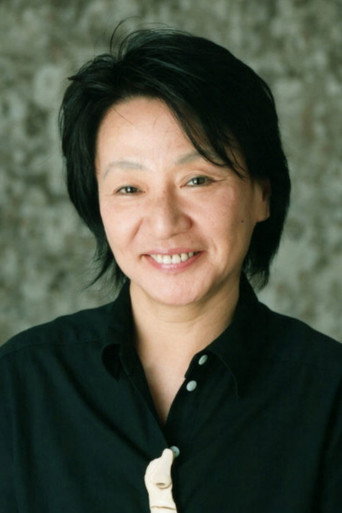
Mako Idemitsu
Born January 1, 1940 · Tōkyō, Japan (age 86)
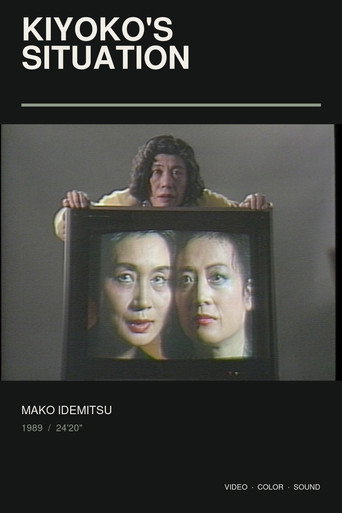
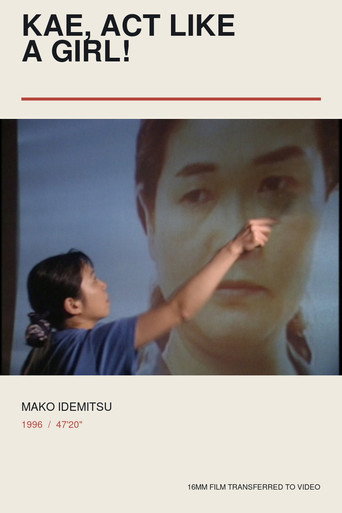
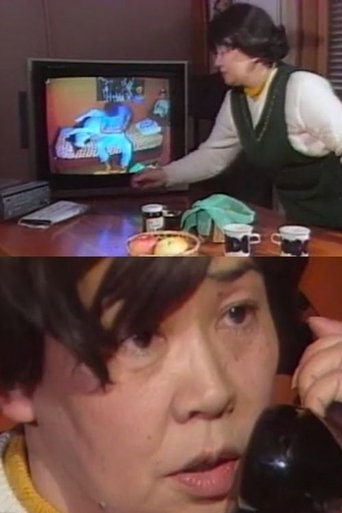
Experimental video artist Mako Idemitsu creates domestic narratives, that examine female identity within the context of the contemporary Japanese family. Echoing and subverting the popular melodramas of Japanese television, she applies a women's liberationist critique to her fictions of the psychological "family romance." Dramatising the strict gender roles that shape mother-child and husband-wife…
Known For
 Inner Man · 1972
Inner Man
1972
Movie
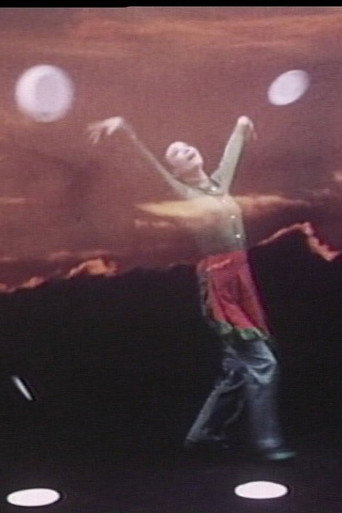
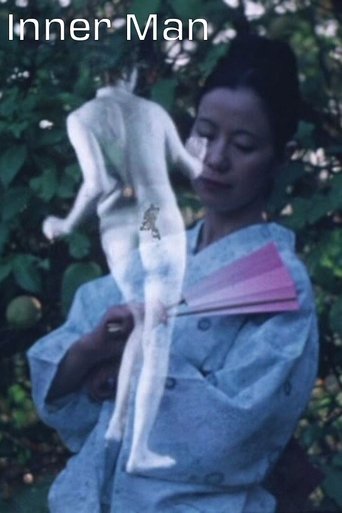
This film shows the images of a dancing woman who is wearing Kimono overlapping another image which a naked man is dancing. This is one of the original psychological concepts of C.G. Jung. For women, Animus is an image of a man by projection of her mental energy.
 Baby Variations · 1974
Baby Variations
1974
Movie
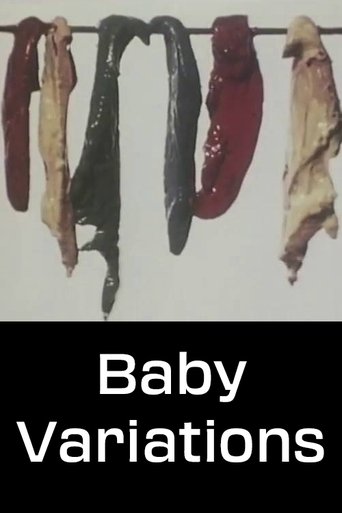
The film shows vivid close-ups of a liver with the background music of “My Baby” by Janice Joplin.
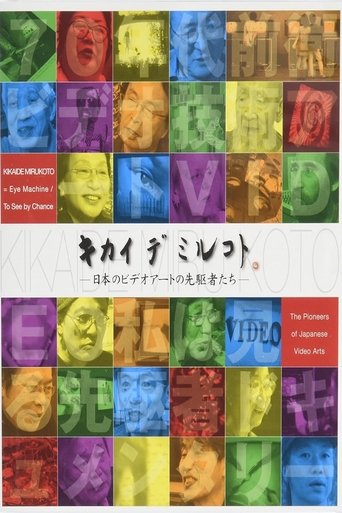 KIKAIDE MIRUKOTO = Eye Machine / To See by Chance –The Pioneers of Japanese Video Arts– · 2013
KIKAIDE MIRUKOTO = Eye Machine / To See by Chance –The Pioneers of Japanese Video Arts–
2013
MovieDocumentary
Video began as a medium that inspired discovery. This art documentary traces the expressive roots of “media art” in Japan — works of video, performances, and installations created using video technology that allowed for free and creative visual expression.
 Next · 1973
Next
1973
MovieAnimation
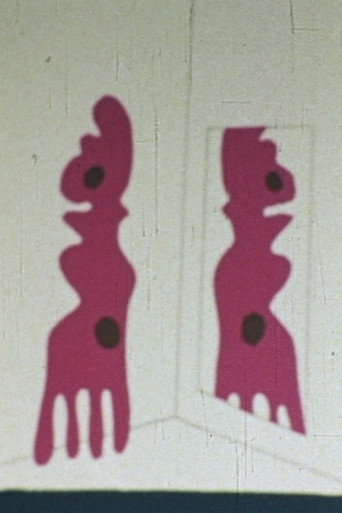
A film made using a work of Cindy Sherman, expresses Idemitsu's free and easy sense of humor.
 At Any Place 1 · 1975
At Any Place 1
1975
Movie
At Any Place 1, 1975, film, 16 min, color. Casted over the sky, images of people are suggested as shapes of clouds
 Make Up · 1978
Make Up
1978
Movie
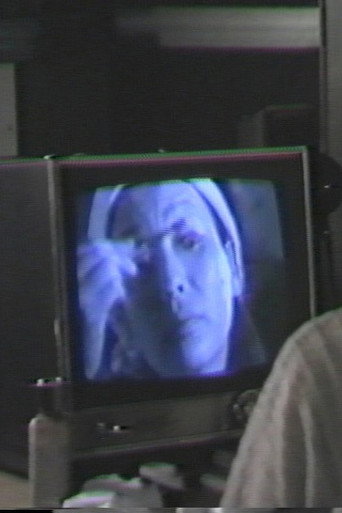
In Idemitsu's experiment using a video camera and monitor, the reflexive exercise looking into a mirror is swapped with the monitor, suggesting a reflection on the history of women's relationship with makeup.
 Yoji, What's Wrong With You? · 1987
Yoji, What's Wrong With You?
1987
MovieDrama
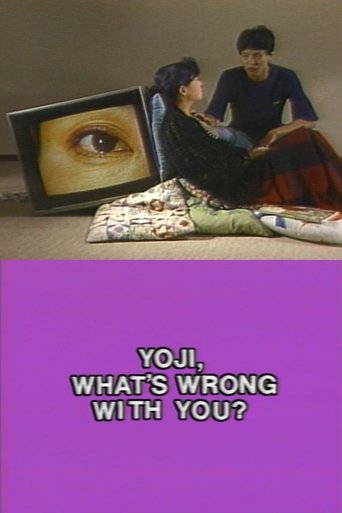
When Yoji announces to his mother that he wants her to meet a new girlfriend, the mother's jealousy destroys the relationship. Yoji's mother fastens onto her son, unable to leave his mother or experience love for any other woman.
 My America, Your America · 1980
My America, Your America
1980
Movie
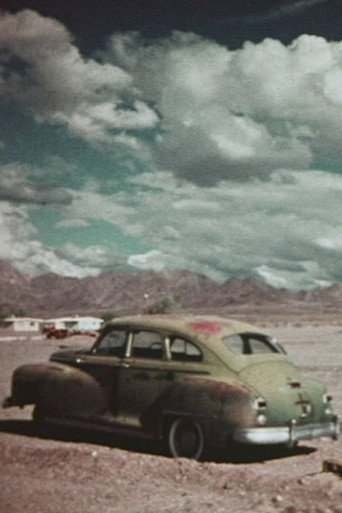
What is America to her? Idemitsu, who lived in America for eight years, looks introspectively at herself and her strange connection with America.
Filmography
Sort