Photo Wallahs
1991 · 59 min · Documentary
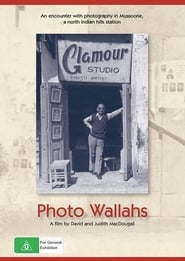
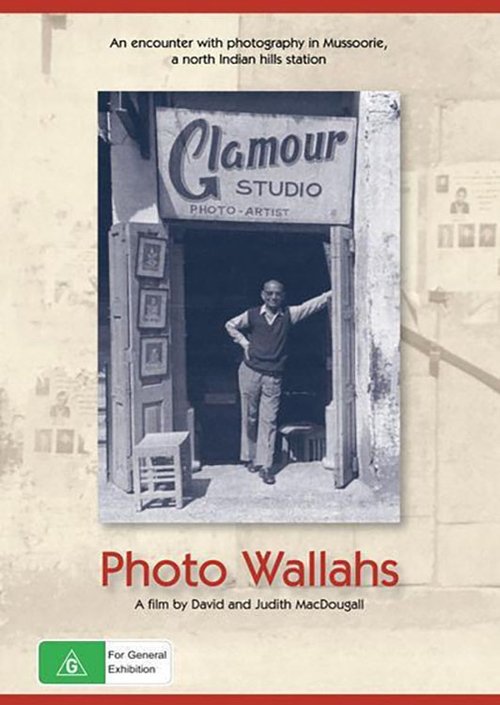
Renowned ethnographic filmmakers David and Judith MacDougall explore the many meanings of photography in this profound and penetrating documentary. The film focuses on the photographers of Mussoorie, a hill station in the Himalayan foothills of northern India whose fame has attracted tourists since the 19th century. Through a rich mixture of scenes that includes the photographers at work, their clients, and both old and new photographs, this extraordinary film examines photography as art and as social artifact — a medium of reality, fantasy, memory, and desire.
Directed by David MacDougall
Your Rating
Make it a double feature
2h 42m together
Both from David MacDougall.
More from David MacDougallSee all →
 Sweetgrass · 2009
Sweetgrass
★ 6.72009
MovieDocumentary
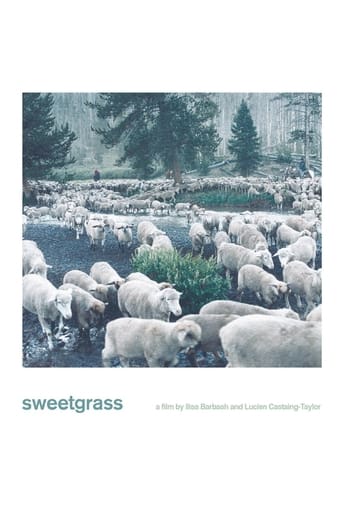
An unsentimental elegy to the American West, Sweetgrass follows the last modern-day cowboys to lead their flocks of sheep up into Montana's breathtaking and often dangerous Absaroka-Beartooth mountains for summer pasture, revealing a world in which nature and culture, animals and humans, vulnerability and violence are all intimately meshed.
 KM 400
KM 400
★ 6.0
MovieDrama
Black and white UCLA Student Film, Preserved by the UCLA Film and Television Archive. A boy hitchhikes in the desert. A man gets out of his car and follows him, then collapses. The boy tries reviving the man to no avail. The boy takes the man's wallet, smokes a cigarette, eats a sandwich, and catches a ride.
 A Wife Among Wives · 1981
A Wife Among Wives
★ 6.01981
MovieDocumentary
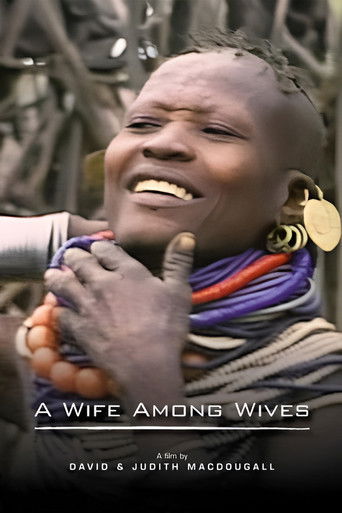
David and Judith MacDougall are exploring the marriage rituals and roles of Turkana women in this ethnographic documentary. The film's biggest part is taken up by talks between the Turkana people. As one of the first ethnographic documentaries "A Wife Among Wives" subtitles these talks so that the viewer can get a better and probably more personal understanding of the life of the Turkana.
 The Wedding Camels · 1980
The Wedding Camels
★ 6.01980
MovieDocumentary
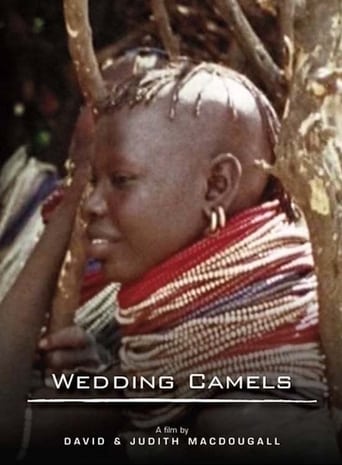
Set among the Turkana pastoralists of northwestern Kenya, the film chronicles the marriage negotiations between Lorang’s daughter Akai and Kongu, a friend and age-mate of her father. Much of the film focuses on extended discussions over the bridewealth—goats and camels to be given to the bride’s family—which draw in relatives from both sides and grow increasingly tense. Filmed in an observational style without narration, the documentary records the negotiations and social dynamics that shape the marriage arrangement.
 6-18-67 · 1967
6-18-67
★ 5.91967
MovieDocumentary
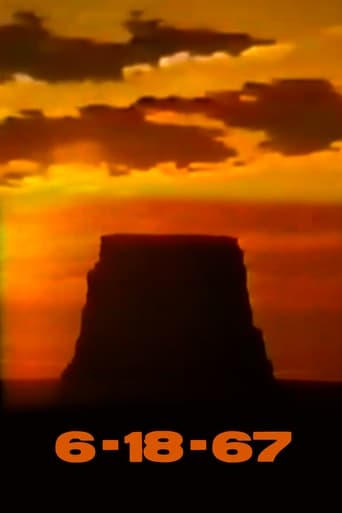
Filmed during the production of the Columbia Pictures western "Mackenna’s Gold," this short work presents a non-narrative visual study of the Arizona desert. Rather than documenting the film set itself, "6-18-67" assembles landscape images, time-lapse photography, and ambient sound into an abstract record of place and duration.
 Gandhi's Children · 2008
Gandhi's Children
★ 5.02008
MovieDramaDocumentary
A shelter for children on the outskirts of Delhi provides food and accommodation for 350 boys. Some are orphans, others have been abandoned, still others have run away from home. About half are held under a court order, having been picked up from the streets for petty crimes. Living at the institution for several months, the filmmaker explores its routines and the varied experiences of several boys. Despite the harshness of their lives, many show remarkable strength of character, knowledge, and resilience. One day 181 child labourers arrived, placing additional strain on the building's deteriorating facilities. The institution does what it can, but is it enough?
 Tempus de baristas · 1994
Tempus de baristas
★ 5.01994
Movie
This documentary focuses on the vanishing lifestyle of a family of rural residents of the island of Sardinia. For many generations, they have been goatherds in the mountains, and it was a respected and acceptable occupation. Now tourism and the lure of other occupations deeply affects the younger generation, and soon there may be no goatherds left.
 Takeover · 1980
Takeover
1980
MovieDocumentary
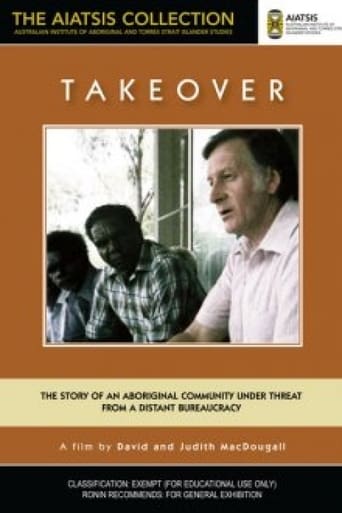
About Aborigines and Australian politics. On 13 March 1978 the Queensland Government announced its intention to take over management of the Aurukun Aboriginal Reserve from the Uniting Church. The people of Aurukun complained bitterly, believing that the Church was more sympathetic to their aims and fearing that the State was merely seeking easier access to the rich bauxite deposits on their Reserve. When the Federal Government took the side of the Aborigines the stage was set for national confrontation. Shows the situation at Aurukun during those crucial three weeks.
 Boran Herdsmen · 1974
Boran Herdsmen
1974
MovieDocumentary
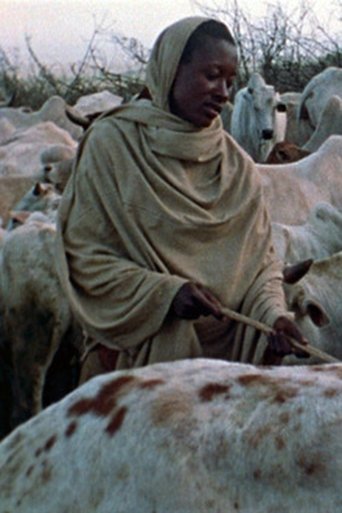
This film demonstrates the time-honored solutions to the problems associated with the Boran's dependence on cattle for living. Direct government intervention and the indirect impact of modernization are forcing the old patterns to change. The film depicts herding practices, movement patterns, watering strategies, and the lifestyle of the herdsmen. The film has special currency for issues in rural development and agricultural, environmental, and human adaption.
 Nawi · 1970
Nawi
1970
MovieDocumentary
This classic ethnographic documentary, by the renowned filmmaking team of David and Judith MacDougall, explores the nomadic life of the Jie of Uganda. During the dry season the Jie leave their homesteads in large numbers and take their cattle to temporary camps (nawi) in western Karamoja District, where water and grass are more abundant.
 Boran Women · 1974
Boran Women
1974
MovieDocumentary
Traditionally confined to the roles of life-givers, nurturers and homemakers, Boran women of Kenya are slowly realizing the importance of education and the difference it can make in their lives. They attach great importance to the traditional role of women in a herding society and perform dawn to dusk tasks with little deviation from customary ways. Remarkable though is the obvious independence they demonstrate in performing tasks which normally would fall under the male domain, like building their own houses. The film is principally observational with occasional segments in which the women speak directly to the camera.
 Lorang's Way · 1977
Lorang's Way
1977
MovieDocumentary
An ethnographic study of a Turkana family filmed in north western Kenya in the early 1970's.
 To Live With Herds · 1972
To Live With Herds
1972
MovieDocumentary
A documentary portrait of the Jie of northeastern Uganda, examining pastoral life during a dry season as government policies and economic pressures challenge traditional patterns of herding, movement, and subsistence.
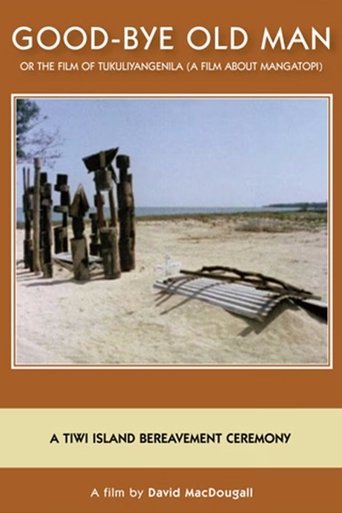 Good-bye Old Man · 1977
Good-bye Old Man
1977
MovieDocumentary
At the request of a dying Tiwi man and his family on Melville Island, this film was made of the pukumani (bereavement) ceremony to follow his death. The film observes the family through the long period of preparation for the ceremony, following age-old traditions. Dancing and face-painting are rehearsed, to the family’s satisfaction, and because “things should be right for this film”. For the two days of ceremony, the community moves to Carslake Beach where a smoking ritual is held to protect the participants from spirits. The cemetery poles are erected, traditional dances are performed along with personal dances by family members. Facial and body decoration is elaborate and spectacular. After saying a final farewell to the old man, the community and the family leave the Beach and return to the village where routine life resumes.
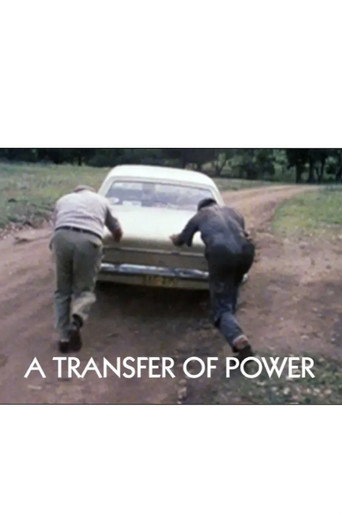 A Transfer Of Power · 1986
A Transfer Of Power
1986
MovieDocumentary
This observational documentary follows an episode in the routine life on Collum Collum cattle-station in northern New South Wales. But, as the filmmaker notes, it's a story that could have occurred anywhere.
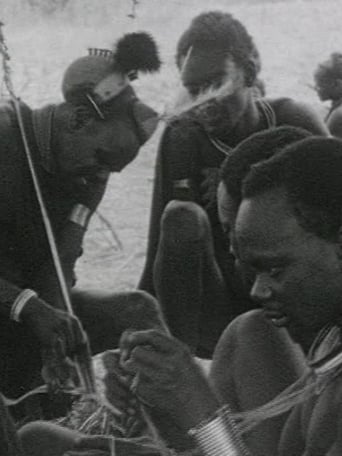 Under the Men's Tree · 1973
Under the Men's Tree
1973
MovieDocumentary
At Jie cattle camps in Uganda men often gather under a special tree to make leather and wooden goods and talk, relax, and sleep. This brilliant ethnographic documentary by renowned filmmakers David and Judith MacDougall captures one particularly riveting discussion one afternoon under the men's tree. The conversation on this particular afternoon becomes a kind of reverse ethnography, centering on the European's most noticeable possession, the motor vehicle. This is a uniquely delicate and intimate film, filled with the humor of the Jie and, implicitly, the ironic wit of the filmmakers.
More Like This
Couldn't load this row right now.