4 à 4 Métro-Barbès-Rochechou-Art
1983 · 65 min · ★ 6.0
In the early '80s, this collective of artists invented a style of cinema made in 4 hands, where each of the protagonists is also a filmmaker.
Directed by Gaël Badaud
Your Rating
Cast
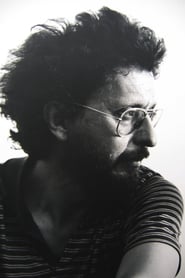 Teo Hernández
 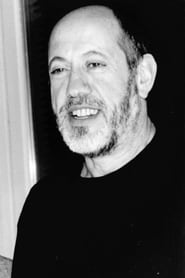 Michel Nedjar
 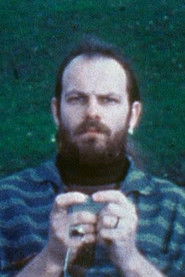 Jakobois
 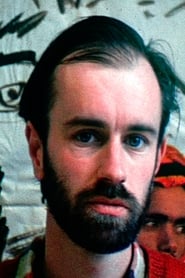 Pascal Martin
 Make it a double feature
2h 30m together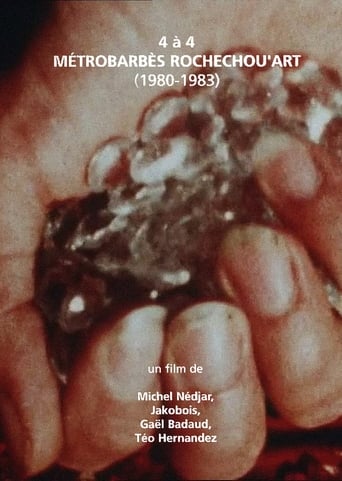
Both from Gaël Badaud.
More from Gaël BadaudSee all →
 Cristaux · 1978
Cristaux
★ 10.01978
MovieDrama
The tetralogy pieces are dominated by the concept and presence of death, foreclosure, fetal vertigo. As such, CRISTAUX is a real descent into an inner labyrinth, which we do not know if it is organic or cultural. At the same time, the film contains a dialectical break that initiates other semantic directions in Hernandez's work. Under the influence of Michel NEDJAR, the filmmaker abandons his traditional method of editing based on rushes. The operation is now completed inside the camera, filming. This more flexible way of proceeding ("the camera must become a second eye") is already reflected in the clear openings of Lacrima Christi: the Christian myth seems to be on the way to exorcising. The pantheistic intoxication - close to that evoked by Nietzsche - seizes places, objects and participants.
 Esmeralda · 1977
Esmeralda
★ 7.01977
Movie
With Esmeralda, Hernandez shifts to the romantic mythology, but this descriptive aspect is secondary in the filmmaker's work, whose purpose is the constitution, by interposed myths, of a baroque cinematographic language. From this point of view, he joins the approaches of other contemporary filmmakers like Bene or Schroeter. In Esmeralda, he introduces masks from his creation to work on the physical and not only the filmic material. But Hernandez adds to his series of aesthetic variations of "stock-shots" of war plans, desolations, genocides, which brutally fall within the visual framework of his film. The filmmaker thus points out the cracks that overflow the myth in its darkest areas: the historical and social reality that obsesses us, that terrorizes us every moment.
 Lacrima Christi · 1980
Lacrima Christi
★ 5.01980
MovieFantasyScience Fiction
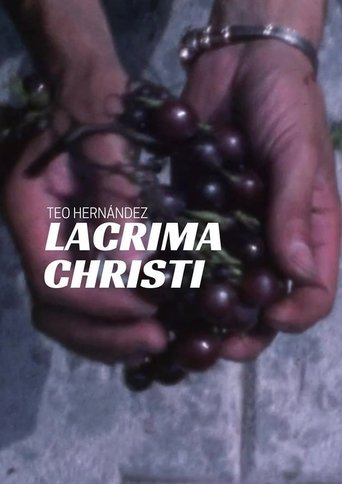
Lacrima Christi is the longest of the over 150 films made by the Mexican filmmaker resident in Paris, Teo Hernández. Part three of a tetralogy devoted to Christ’s Passion, Lacrima Christi is an exploration of the transfer between desire and myth that takes as its starting point a series of objects found in the flea market of Belleville.
 Cinématon · 1978
Cinématon
★ 4.91978
MovieDocumentary
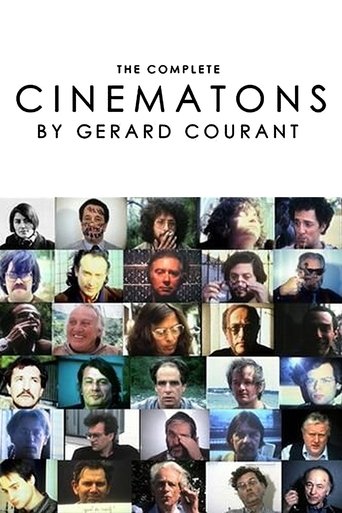
Cinématon is a 156-hour long experimental film by French director Gérard Courant. It was the longest film ever released until 2011. Composed over 36 years from 1978 until 2006, it consists of a series of over 2,821 silent vignettes (cinématons), each 3 minutes and 25 seconds long, of various celebrities, artists, journalists and friends of the director, each doing whatever they want for the allotted time. Subjects of the film include directors Barbet Schroeder, Nagisa Oshima, Volker Schlöndorff, Ken Loach, Benjamin Cuq, Youssef Chahine, Wim Wenders, Joseph Losey, Jean-Luc Godard, Samuel Fuller and Terry Gilliam, chess grandmaster Joël Lautier, and actors Roberto Benigni, Stéphane Audran, Julie Delpy and Lesley Chatterley. Gilliam is featured eating a 100-franc note, while Fuller smokes a cigar. Courant's favourite subject was a 7-month-old baby. The film was screened in its then-entirety in Avignon in November 2009 and was screened in Redondo Beach, CA on April 9, 2010.
 Corps aboli · 1978
Corps aboli
★ 4.71978
Movie
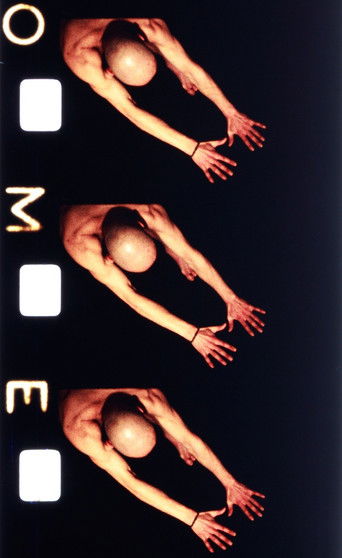
The purpose of the film is to go beyond the notion of the body as a system of functions, symptoms and reflexes that try to delimit the whole body. The body, represented here with all its norms, confronted with itself in a space devoid of causal references, moves towards the abolition of its image and the springing of its inner source: it is the luminous nucleus of the human body.
 Cristo · 1977
Cristo
★ 3.21977
MovieDrama
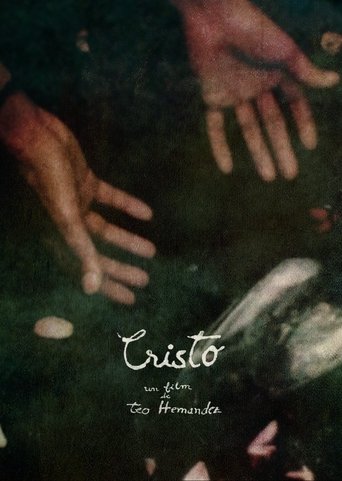
All of history, that of Christ or any other, permeates the world, leaves its mark, modifying and informing history, and all that the human reproduces and creates. The best way for historical interpretation or literary adaptation is to move as far as possible from literal interpretation. That is, it is a contemporary and personal interpretation. The story of Christ is an archetypal story. It has modified and informed a morality and a vision of the human being in the West, it must be taken for what it is and what it has become: matter.
 Graal · 1980
Graal
★ 2.31980
Movie
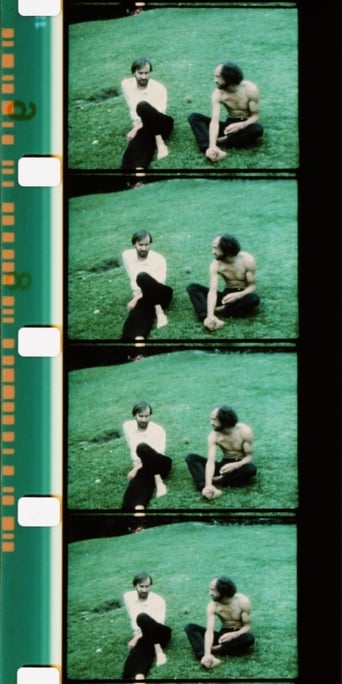
The film Graal goes (as well as all the films which precede it) toward an open and avowed paganism, in which pagan force and magic imbue all the subjects at all times. (...) This is not about "the" Holy Grail and its legend but about the concept of the Grail, taken in a larger sense as a universal archetype: abbreviation, metaphor of the cosmos. In fact, achievement. That is what the Grail is: the achievement's completion.
 Le gant de l'autre · 1977
Le gant de l'autre
★ 1.71977
Movie
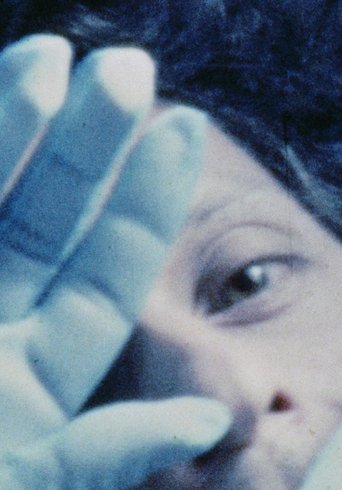
Exploration of bodies. Point, counterpoint. A black glove goes in search of a red glove.
 Angle · 1978
Angle
★ 1.01978
Movie
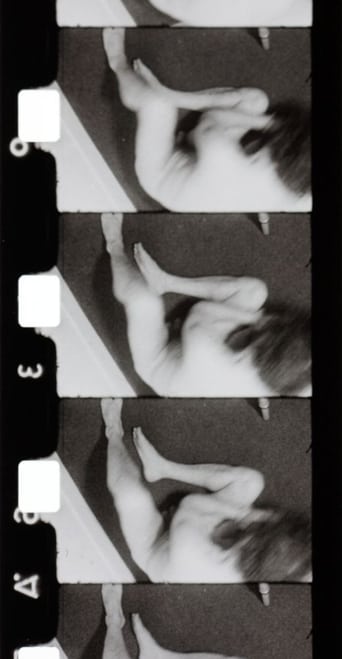
"ANGLE, with its brief black and white shots, almost always plunging and oblique, of naked bodies or parts of bodies, is a film of rupture. Punctuations of black primers break up the filmic continuity, isolating snapshots or brief furtive movements: the body rolling over itself, colliding with the other or falling (these terrible falls, as sharp as a fainting spell, like that of the hero of The Andalusian Dog, whose hand, as he falls, brushes for a moment against the naked back of a beautiful, insensitive woman, and which is, it seems to me, the most striking representation of the link between passion in love and death that can be given). Often these movements are repeated and the actors seem to be the descendants of Muybridge's bonshommes lost in a white room. At the end - this is the longest shot in the film - in a corner of the room, one of the two actors remains crouched, hiding his eyes in his hands. Then the corner reappears, empty."
 Kader, Gaël · 1989
Kader, Gaël
1989
Movie
Experimental short by Teo Hernández.
 J'aime · 1978
J'aime
1978
Movie
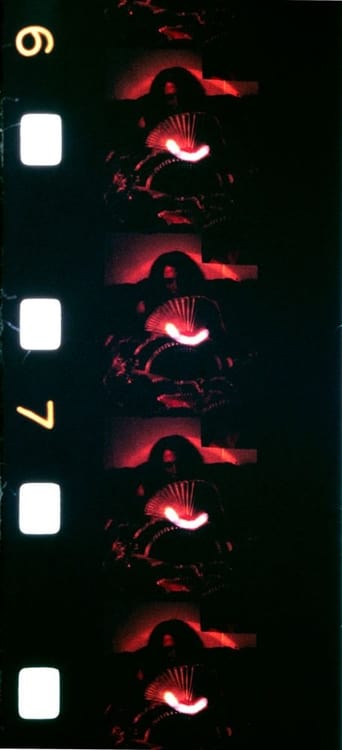 L'éventail · 1981
L'éventail
1981
Movie
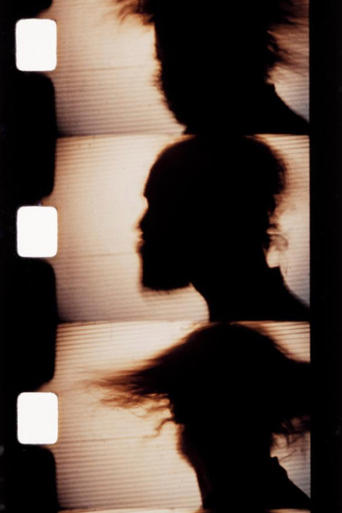 Gong · 1981
Gong
1981
Movie
A gong will never abolish chance? If chance is travesty of desire, and desire movement without measure, cinema is vibration of this desire in fugue.
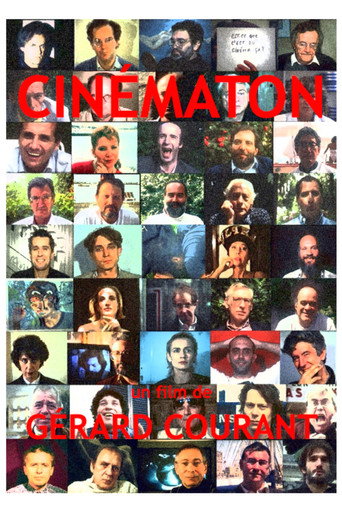 Cinématon II · 1978
Cinématon II
1978
Movie
Reel 2 of Gérard Courant's on-going Cinematon series.
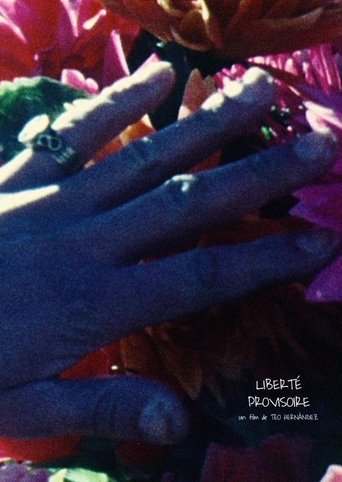 Liberté provisoire · 1977
Liberté provisoire
1977
Movie
Liberté provisoire takes from everyday life, transforming the ordinary into a sensory delight. Walks in the Belleville district, Ménilmontant, leading to Père Lachaise cemetery, to the tombs of Piaf and Sarapo.
 Le printemps · 1987
Le printemps
1987
Movie
More Like This
Couldn't load this row right now.