Circumcision
1949 · 15 min · ★ 4.8 · Documentary
Rites and operation of the circumcision of thirty Songhai children on the Niger. Material of this film has been used to make "Les Fils de l'Eau".
Directed by Jean Rouch
Your Rating
More from Jean RouchSee all →
 The Ordinary Madness of a Daughter of Ham · 1986
The Ordinary Madness of a Daughter of Ham
★ 10.01986
MovieDrama
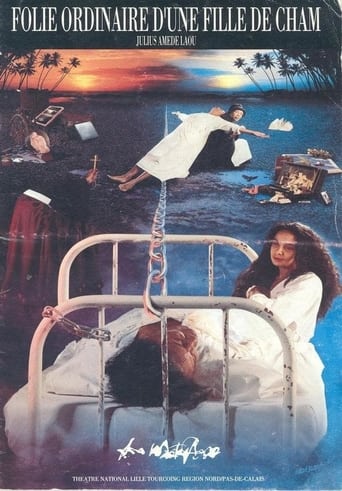
In Jean Rouch's cinematic reinterpretation of Julius-Amédée Laou's theatrical work, a freshly appointed nurse steps into the chaotic world of a psychiatric ward. Tasked with nurturing the minds within, she forms a profound connection with a patient from Martinique who has been confined within the institution's walls for half a century. As their relationship deepens, the lines between reality and delusion blur, weaving a complex narrative of human connection and psychological intrigue.
 Mad Mimes · 2012
Mad Mimes
★ 10.02012
MovieDocumentaryScience Fiction
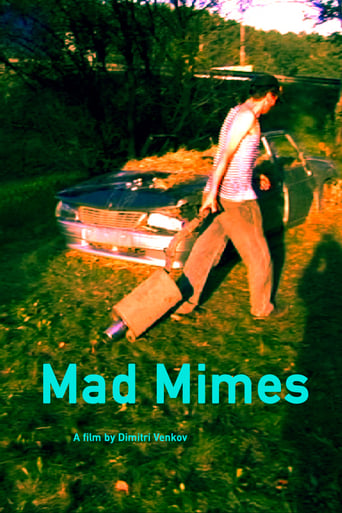
An anthropological study of a cargo cult in a fictitious self-marginalized commune, which existed next to the Moscow Ring Road - a highway that marks the boundaries of the Russian capital - and survived mainly on roadside trash. Although the road provided for their basic needs, the existence of the commune was extremely precarious and highly dependent on the roadway's fluctuations. This dependency led them to develop a cargo cult of the road.
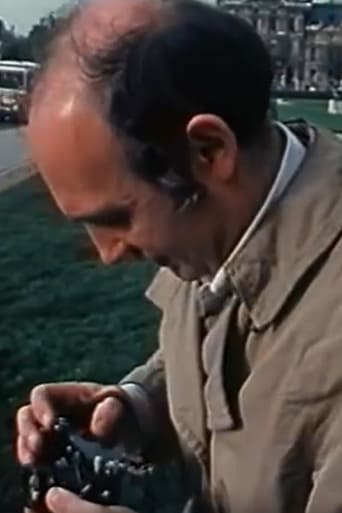 Ciné-Portrait of Raymond Depardon · 1983
Ciné-Portrait of Raymond Depardon
★ 9.01983
MovieDocumentary
A fortuitous meeting, late one afternoon, in the garden of the Tuileries, of one or two cameras, a tape recorder, and three cameramen/directors, Raymond Depardon, Jean Rouch, and Philippe Costantini.
 The Rainmakers · 1951
The Rainmakers
★ 8.51951
MovieDocumentary
Rain rituals with possession dances among the Songhay and Zarma of Simiri, Zermaganda, Niger. Dry Season: The village of Simiri; water carriers, the rainbow tree. Possession of the faithful making their way to the spirits' hut on the seventh day of the seventh month of the dry season. All of the inhabitants of the village go to the spirits' hut to celebrate the Yenendi, the festival of the rain. Preparation by the musicians: under the shelter, gourd drummers. The chief of the village, old Wadi Sorko, prepares his violin. Dance of the "spirit" horse (possession dance).
 The Lovely Month of May · 1963
The Lovely Month of May
★ 8.01963
MovieDocumentary
Candid interviews of ordinary people on the meaning of happiness, an often amorphous and inarticulable notion that evokes more basic and fundamentally egalitarian ideals of self-betterment, prosperity, tolerance, economic opportunity, and freedom.
 Un lion nommé l'Américain · 1972
Un lion nommé l'Américain
★ 7.31972
MovieDocumentary
A film about a lion.
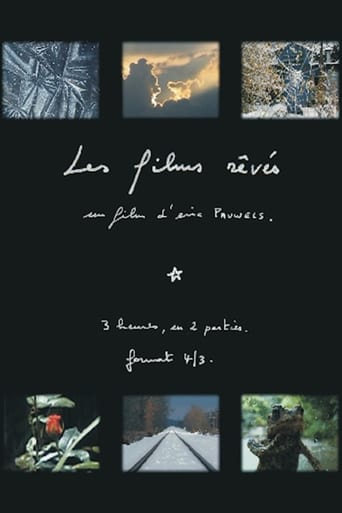 The Dreamed Films · 2010
The Dreamed Films
★ 7.32010
MovieDocumentary
Belgian filmmaker Eric Pauwels' meditation on dream, travel and film.
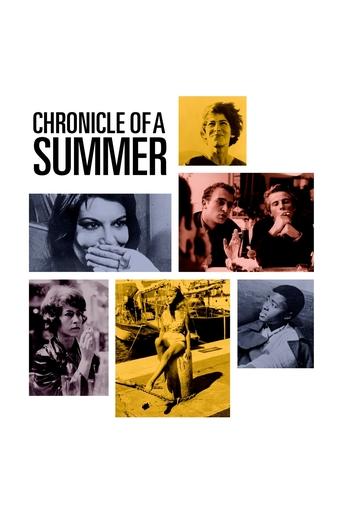 Chronicle of a Summer · 1961
Chronicle of a Summer
★ 7.21961
MovieDocumentary
Paris, summer 1960. Anthropologist and filmmaker Jean Rouch and sociologist and film critic Edgar Morin wander through the crowded streets asking passersby how they cope with life's misfortunes.
 Six in Paris · 1965
Six in Paris
★ 6.61965
MovieComedyDrama
Six vignettes set in different sections of Paris, by six directors. St. Germain des Pres (Douchet), Gare du Nord (Rouch), Rue St. Denis (Pollet), and Montparnasse et Levallois (Godard) are stories of love, flirtation and prostitution; Place d'Etoile (Rohmer) concerns a haberdasher and his umbrella; and La Muette (Chabrol), a bourgeois family and earplugs.
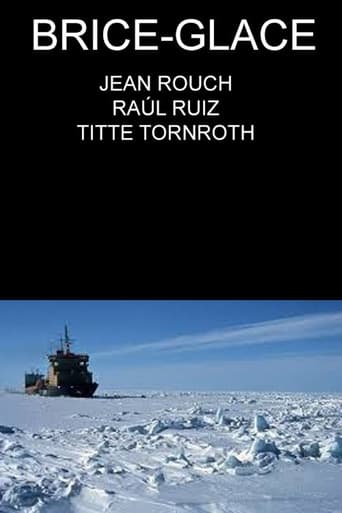 Brise-glace · 1990
Brise-glace
★ 6.61990
MovieDocumentary
Collaborative experimental project on which three director made different films about the Swedish icebreaker "Frej".
 The Year 01 · 1973
The Year 01
★ 6.61973
MovieComedyAction
The film narrates a utopian abandonment, consensual and festive of the market economy and high productivity. The population decides on a number of resolutions beginning with "We stop everything" and the second "After a total downtime will be revived-reluctantly-that the services and products including lack will prove intolerable. Probably: water to drink, electricity for reading at night, the TSF to say "This is not the end of the world, this is an 01, and now a page of Celestial Mechanics". The implementation of these resolutions is the first day of a new era, Year 01. The Year 01 is emblematic of the challenge of the 1970s and covers such diverse topics as ecology, negation of authority, free love, communal living, rejection of private property and labor.
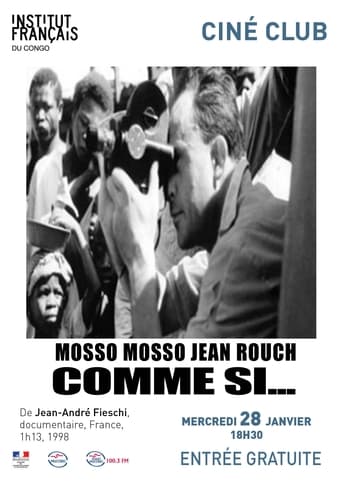 Cinéma, de notre temps: Mosso, mosso (Jean Rouch comme si...) · 1999
Cinéma, de notre temps: Mosso, mosso (Jean Rouch comme si...)
★ 6.01999
MovieDocumentary
 Mammy Water · 1953
Mammy Water
★ 5.71953
MovieDocumentary
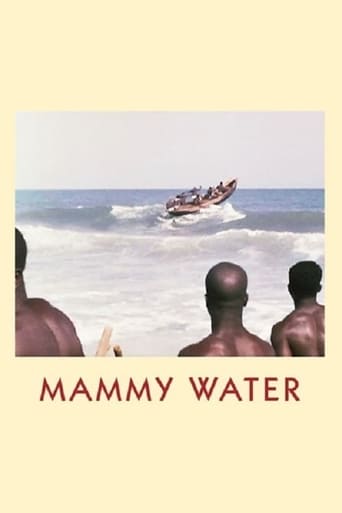
"Mammy Water" is mother sea, source of food. Jean Rouch filmed this short documentary in the Gulf of Guinea, in Ghana, where is held a colorful festival, the Chama, in which the participants offer cassava, gin and tobacco to the spirits of water and sacrifice a white ox to thank them and express their gratitude and respect.
 Son of Gascogne · 1995
Son of Gascogne
★ 5.11995
MovieComedyDrama
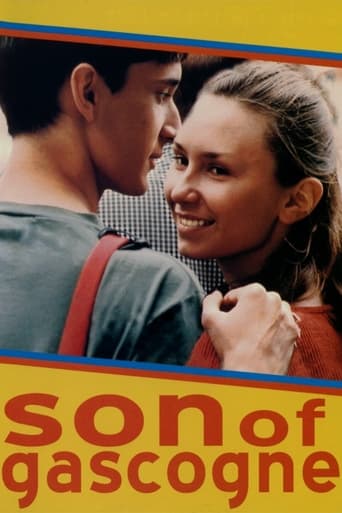
You're a provincial kid in Paris and suddenly you're the center of attention: Movie stars, famous directors and sexy women are doting on you because they all think you're the son of their long-dead legendary friend. You never knew your dad, but the facts of this famous guy's life suggest that he might have fathered you. Your mom tells you nothing. All the fuss makes you uncomfortable at first but soon you find it's rather fun to be the son of the famous Gascogne. And in the midst of it all you fall in love. It is, after all, springtime in Paris.
 Cinématon · 1978
Cinématon
★ 4.91978
MovieDocumentary
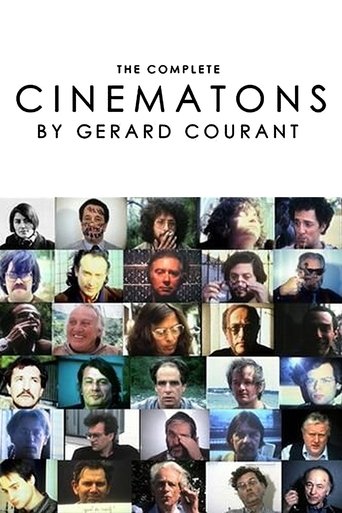
Cinématon is a 156-hour long experimental film by French director Gérard Courant. It was the longest film ever released until 2011. Composed over 36 years from 1978 until 2006, it consists of a series of over 2,821 silent vignettes (cinématons), each 3 minutes and 25 seconds long, of various celebrities, artists, journalists and friends of the director, each doing whatever they want for the allotted time. Subjects of the film include directors Barbet Schroeder, Nagisa Oshima, Volker Schlöndorff, Ken Loach, Benjamin Cuq, Youssef Chahine, Wim Wenders, Joseph Losey, Jean-Luc Godard, Samuel Fuller and Terry Gilliam, chess grandmaster Joël Lautier, and actors Roberto Benigni, Stéphane Audran, Julie Delpy and Lesley Chatterley. Gilliam is featured eating a 100-franc note, while Fuller smokes a cigar. Courant's favourite subject was a 7-month-old baby. The film was screened in its then-entirety in Avignon in November 2009 and was screened in Redondo Beach, CA on April 9, 2010.
 My Conversations on Film · 2013
My Conversations on Film
★ 3.22013
MovieDocumentary
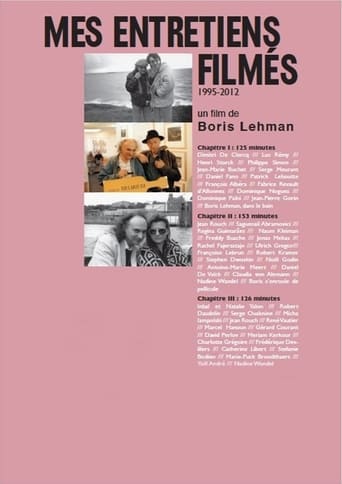
This distinctly personal journey into the artistic possibilities of independent film is not to be missed. Jonas Mekas, Jean-Pierre Gorin, Robert Kramer and many other visionaries and mavericks of the silver screen – as well as a book seller, a critic and a psychoanalyst – discuss what cinema has meant to them, what it is and what it could be and, implicitly, how it has changed over the 18 years in which this film was shot. Director Boris Lehman leads the charge, drawing in moments of absurdist humour and inventive camera work; he keeps things raw and spontaneous. His encounters with the now much-missed Jean Rouch and Stephen Dwoskin are particularly touching and stand testament to their personal playfulness and candour. An engaging, absorbing, epic odyssey of a movie.
More Like This
Couldn't load this row right now.