Directing
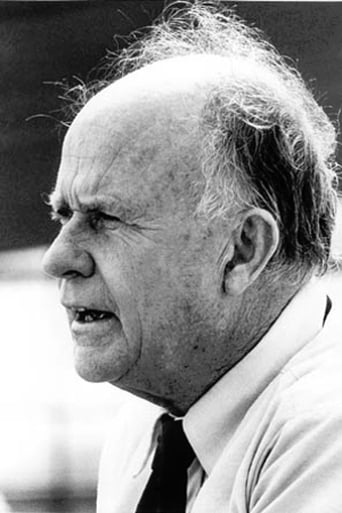
Jean Rouch
Born May 31, 1917 · Paris, France
Died February 18, 2004 · aged 86
Jean Rouch (French: [ʁuʃ]; 31 May 1917, Paris – 18 February 2004, Niger) was a French filmmaker and anthropologist. He is considered to be one of the founders of cinéma-vérité in France, which shared the aesthetics of the direct cinema. Rouch's practice as a filmmaker for over sixty years in Africa, was characterized by the idea of shared anthropology. Influenced by his discovery of surrealism in…
Known For
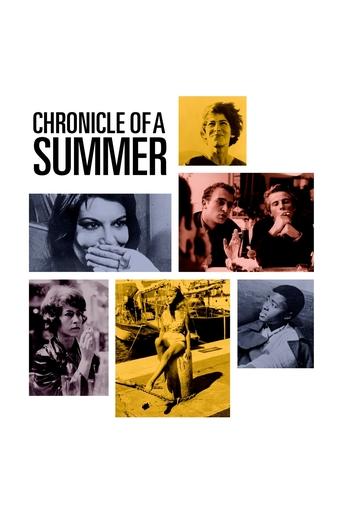 Chronicle of a Summer · 1961
Chronicle of a Summer
★ 7.21961
MovieDocumentary
Paris, summer 1960. Anthropologist and filmmaker Jean Rouch and sociologist and film critic Edgar Morin wander through the crowded streets asking passersby how they cope with life's misfortunes.
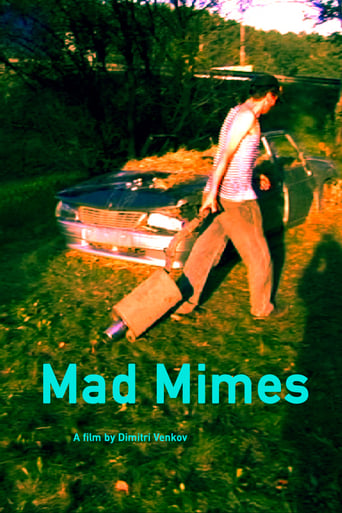 Mad Mimes · 2012
Mad Mimes
★ 10.02012
MovieDocumentaryScience Fiction
An anthropological study of a cargo cult in a fictitious self-marginalized commune, which existed next to the Moscow Ring Road - a highway that marks the boundaries of the Russian capital - and survived mainly on roadside trash. Although the road provided for their basic needs, the existence of the commune was extremely precarious and highly dependent on the roadway's fluctuations. This dependency led them to develop a cargo cult of the road.
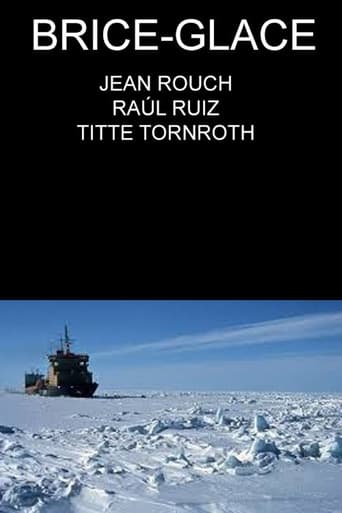 Brise-glace · 1990
Brise-glace
★ 6.61990
MovieDocumentary
Collaborative experimental project on which three director made different films about the Swedish icebreaker "Frej".
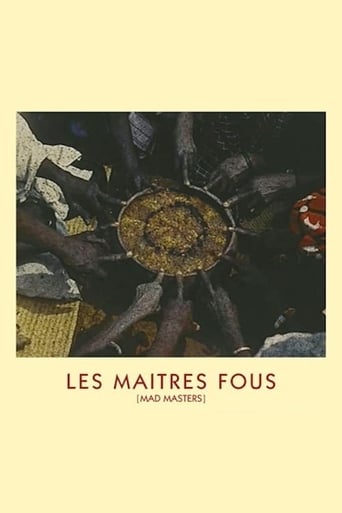 The Mad Masters · 1955
The Mad Masters
★ 6.21955
MovieDocumentary
The subject of the film was the Hauka movement. The Hauka movement consisted of mimicry and dancing to become possessed by French Colonial administrators. The participants performed the same elaborate military ceremonies of their colonial occupiers, but in more of a trance than true recreation.
 Six in Paris · 1965
Six in Paris
★ 6.61965
MovieComedyDrama
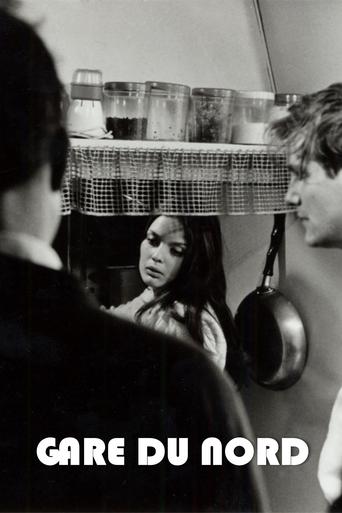
Six vignettes set in different sections of Paris, by six directors. St. Germain des Pres (Douchet), Gare du Nord (Rouch), Rue St. Denis (Pollet), and Montparnasse et Levallois (Godard) are stories of love, flirtation and prostitution; Place d'Etoile (Rohmer) concerns a haberdasher and his umbrella; and La Muette (Chabrol), a bourgeois family and earplugs.
 Cinématon · 1978
Cinématon
★ 4.91978
MovieDocumentary
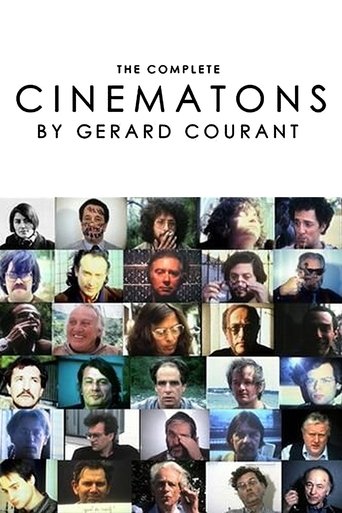
Cinématon is a 156-hour long experimental film by French director Gérard Courant. It was the longest film ever released until 2011. Composed over 36 years from 1978 until 2006, it consists of a series of over 2,821 silent vignettes (cinématons), each 3 minutes and 25 seconds long, of various celebrities, artists, journalists and friends of the director, each doing whatever they want for the allotted time. Subjects of the film include directors Barbet Schroeder, Nagisa Oshima, Volker Schlöndorff, Ken Loach, Benjamin Cuq, Youssef Chahine, Wim Wenders, Joseph Losey, Jean-Luc Godard, Samuel Fuller and Terry Gilliam, chess grandmaster Joël Lautier, and actors Roberto Benigni, Stéphane Audran, Julie Delpy and Lesley Chatterley. Gilliam is featured eating a 100-franc note, while Fuller smokes a cigar. Courant's favourite subject was a 7-month-old baby. The film was screened in its then-entirety in Avignon in November 2009 and was screened in Redondo Beach, CA on April 9, 2010.
 Ciné-Portrait of Raymond Depardon · 1983
Ciné-Portrait of Raymond Depardon
★ 9.01983
MovieDocumentary
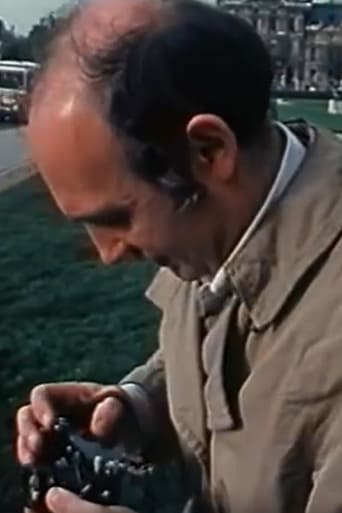
A fortuitous meeting, late one afternoon, in the garden of the Tuileries, of one or two cameras, a tape recorder, and three cameramen/directors, Raymond Depardon, Jean Rouch, and Philippe Costantini.
 The Year 01 · 1973
The Year 01
★ 6.51973
MovieComedyAction
The film narrates a utopian abandonment, consensual and festive of the market economy and high productivity. The population decides on a number of resolutions beginning with "We stop everything" and the second "After a total downtime will be revived-reluctantly-that the services and products including lack will prove intolerable. Probably: water to drink, electricity for reading at night, the TSF to say "This is not the end of the world, this is an 01, and now a page of Celestial Mechanics". The implementation of these resolutions is the first day of a new era, Year 01. The Year 01 is emblematic of the challenge of the 1970s and covers such diverse topics as ecology, negation of authority, free love, communal living, rejection of private property and labor.
Filmography
Sort