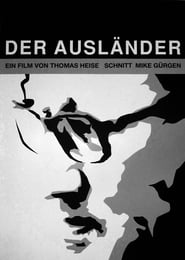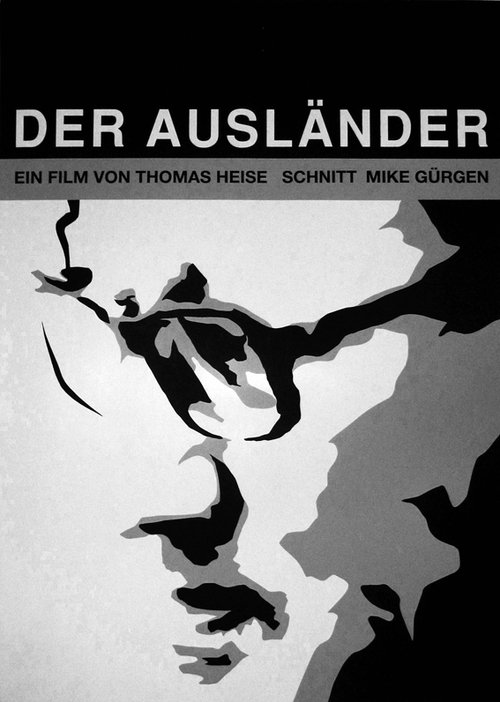
Der Ausländer
2004 · 37 min · Documentary
Documentary by Thomas Heise filmed in East Berlin in 1987/88.
Directed by Thomas Heise · Written by Thomas Heise
Your Rating
Cast
 Michael Gwisdek
 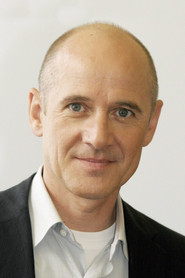 Ulrich Mühe
 Make it a double feature
1h 42m together
Both from Thomas Heise.
More from Thomas HeiseSee all →
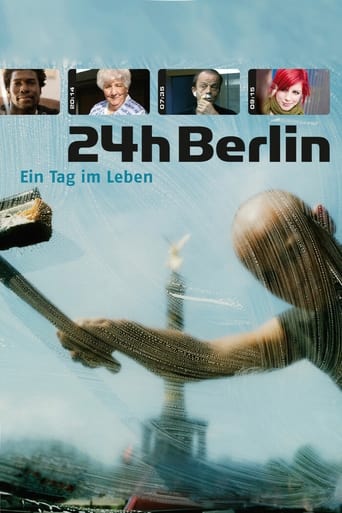 24 Hours Berlin · 2009
24 Hours Berlin
★ 9.02009
MovieDocumentary
24-hour television documentary about Berlin and its inhabitants, reporting in real time on the everyday lives of more than 50 protagonists from a wide range of professions, social classes, religions and ethnicities.
 Solar System · 2011
Solar System
★ 7.82011
MovieDocumentary
Solar System is a film about disappearance. It is a portrait of daily life in the indigenous community of the Kollas in Tinkunaku in the mountains of northern Argentina.
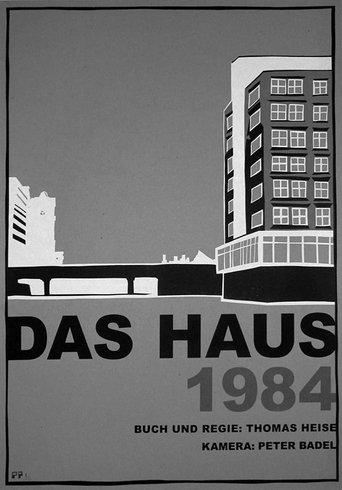 The House, 1984 · 1984
The House, 1984
★ 7.21984
MovieDocumentary
Thomas Heise's documentary portrays the meeting of officials and citizens in the district office of Berlin-Mitte in 1984. The movie uniquely displays how socialist officals and citizens interact.
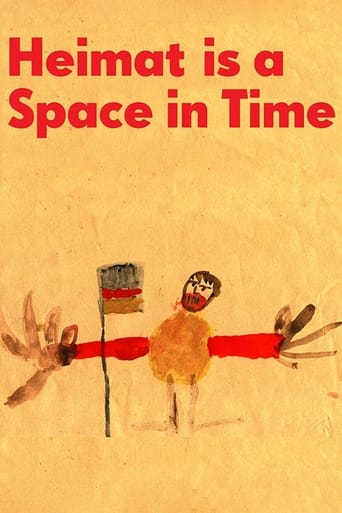 Heimat Is a Space in Time · 2019
Heimat Is a Space in Time
★ 6.62019
MovieDocumentary
Director Thomas Heise picks up the biographical pieces left by his family, and composes an epic picture of four generations of his family, of a country, of a century.
 Material · 2009
Material
★ 6.12009
MovieDocumentary
"Pictures from the late eighties in the GDR on up to the immediate present in the year 2008 in Germany. What has been left over besieges my mind. All these pictures keep reassembling themselves to make up something which they were originally not made for. They are still in motion. They are becoming history." (Thomas Heise)
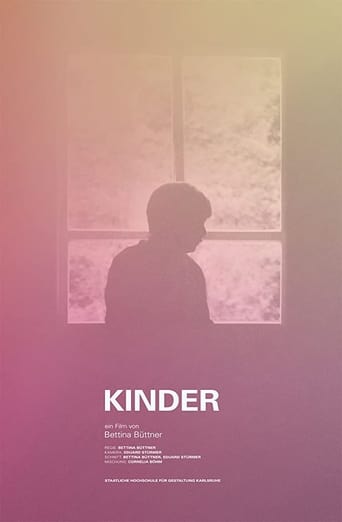 Kids · 2011
Kids
★ 6.02011
MovieDocumentary
In Bettina Büttner’s exquisitely lucid documentary Kinder (Kids), childhood dysfunction, loneliness, and pent-up emotion run wild at an all-boys group home in southern Germany. The children interned here include ten-year-olds Marvin and Tommy. Marvin, fiddling with a mini plastic Lego sword, explains matter-of-factly to the camera, “This is a knife. You use it to cut stomachs open.” Dennis, who is even younger, is seen in a hysteric fit, mimicking some pornographic scene. Boys will be boys, but innocence is disproportionately spare here. Choosing not to dwell on the harsh specifics, Büttner reveals the disconcerting manner in which traumatic episodes can manifest themselves in the mundane — a game of Lego, Hide and Seek, or Truth or Dare. Filmed in lapidary black-and-white, Büttner’s fascinating film sheds light on childhood from the boys’ characteristically disadvantaged perspective — one not yet fully cognizant — leaving much ethically to ponder over.
 Notorious Deeds · 2016
Notorious Deeds
★ 6.02016
MovieDocumentary
Bucharest, October 1989: a secondary school student disappears without a trace. Weeks later, he resurfaces at a meeting of the Communist Youth where he is denounced for certain "reprehensible actions" and excluded from the organization. As a result of the same "reprehensible" deeds he is expelled from the school. His schoolmates are never told what his actions actually were. "Notorious deeds, unworthy of being mentioned," is the only comment provided by a high-level communist party representative. Now, 25 years later, those involved are keen to tell their side of the story.
 Iron Age · 1991
Iron Age
★ 5.71991
MovieDocumentary
Ten years after breaking off the film "Anka and ..." nearly all the protagonists of that time have disappeared. Mario and Tilo hung themselves in the final phase of the GDR, Frank is surviving in West Berlin addicted to drugs, and Karsten is doing pretty well there. Anka, however, who once was in love with each of them, lives alone with her danghter in Eisenhüttenstadt. A film about normality in life.
 Consequence · 2012
Consequence
★ 5.52012
MovieDocumentary
CONSEQUENCE tracks the tiring working day between Christmas Eve and New Year at a small German crematorium operating 24/7.
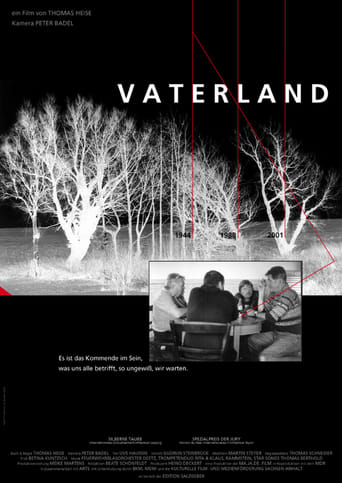 Vaterland · 2002
Vaterland
★ 5.12002
MovieDocumentary
In Saxon-Anhalt, near the town of Zerbst, set away from busy roads, next to a deserted military landing strip, is the village of Straguth. An unimportant place. Lost in time. Or ahead of time.
The film describes the people of this quiet place, in the past, the present and the future. A film like the digging of a hole. If one could dig in spiral form. And dig a black hole.
An archaeological journey to landscape, people and things, traces of changing times and transition. Wide open landscapes and detailed drawings of people within. And on entering Otto Nathos’ modest bar, there is always talk of the war. The era of youth.
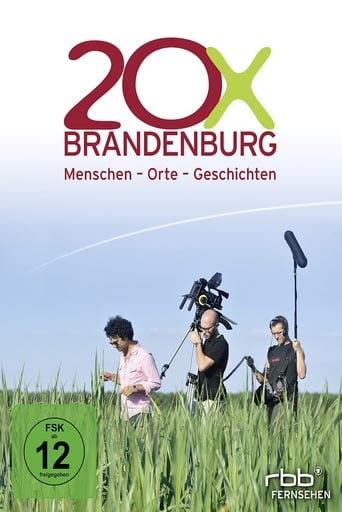 20 × Brandenburg · 2010
20 × Brandenburg
★ 5.02010
MovieDocumentary
Under the artistic direction of director Andreas Dresen, 20 renowned documentary filmmakers, experienced television writers, and teams tell stories about the country and its people. The teams filmed at 20 different locations between June and August 2010 under the same production conditions: four days of filming, one week of editing.
 DAS! · 1991
DAS!
★ 4.71991
SeriesTalkNews
Every evening at 6:45 p.m. sharp, a prominent guest takes a seat on the red sofa—and DAS! provides daily updates on what's hot in the north.
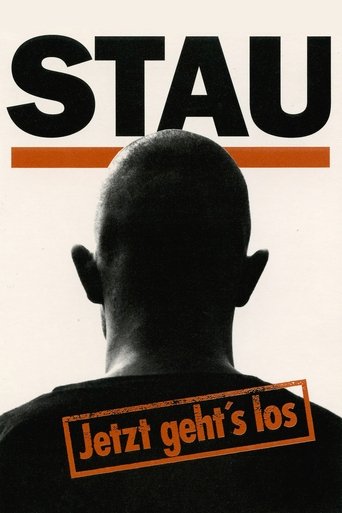 Stau – Jetzt geht’s los · 1992
Stau – Jetzt geht’s los
★ 4.41992
MovieDocumentary
A group of young people in Halle-Neustadt moving aimlessly between the concrete blocks once built as a socialist model housing estate. Familiar certainties dissolved along with the GDR. Even though there were hardly any foreigners in Saxony-Anhalt, a dull aversion to everything that hadn’t been part of daily life until then began to spread. The general dissolution, perceived as a threat, is countered by apparently clear world views. When Thomas Heise won the “Documentary Film Prize 1992” at the Duisburger Filmwoche, the laudation ended with the assumption that the film would probably provoke disagreement. It turned out to be true.
More Like This
Couldn't load this row right now.