Prosopographia
1976 · 5 min · ★ 5.0
Prosopographia, 1976. 16mm film, color, sound; 5 minutes (unfinished).
Directed by Gregory J. Markopoulos
Your Rating
Make it a double feature
1h 27m together
Both from Gregory J. Markopoulos.
More from Gregory J. MarkopoulosSee all →
 Galaxie · 1966
Galaxie
★ 10.01966
MovieDocumentary
In March and April of 1966, Markopoulos created this filmic portrait of writers and artists from his New York circle, including Parker Tyler, W. H. Auden, Jasper Johns, Susan Sontag, Storm De Hirsch, Jonas Mekas, Allen Ginsberg, and George and Mike Kuchar, most observed in their homes or studios. Filmed in vibrant color, Galaxie pulses with life. It is a masterpiece of in-camera composition and editing, and stands as a vibrant response to Andy Warhol's contemporary Screen Tests. Preserved by the Academy Film Archive in 2001.
 A Christmas Carol · 1940
A Christmas Carol
★ 10.01940
MovieDramaFantasy
Miser Ebenezer Scrooge is awakened on Christmas Eve by spirits who reveal to him his own miserable existence, what opportunities he wasted in his youth, his current cruelties, and the dire fate that awaits him if he does not change his ways. Scrooge is faced with his own story of growing bitterness and meanness, and must decide what his own future will hold: death or redemption.
 The Mysteries · 1968
The Mysteries
★ 9.01968
MovieMysteryDrama
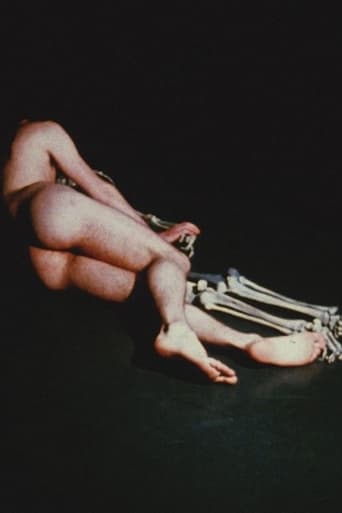
"In my film I suggest that there is no greater mystery than that of the protagonists. War and Love are simply equated for what they are; the aftermath is inevitable, and a normal human condition, for which like the ancients one can only have pity and understanding. In this lies the mystery. All else is irrelevant. That there are other sub-currents of equal power in The Mysteries goes without saying; and, those who are capable of the numerous visual visitations and annunciations which the film offers them will realize what is the Ultimate Mystery of my work."
 The Dead Ones · 1967
The Dead Ones
★ 8.01967
MovieDrama
Markopoulos’ first attempt at making a 35mm feature film, clearly inspired by the cinema of Jean Cocteau, was left unfinished and the materials were lost for many years.
 Bliss · 1967
Bliss
★ 8.01967
MovieDocumentary
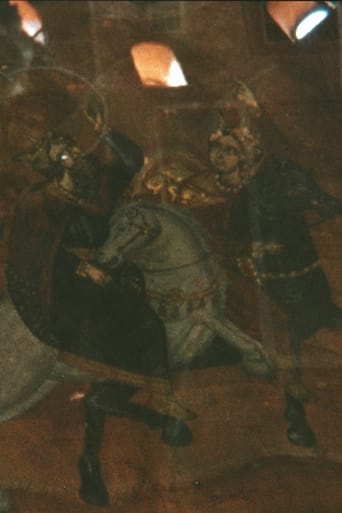
The first film made by Markopoulos after moving to Europe, Bliss was shot over the course of two days using only available light to create a lyrical study of the interior of the Church of St. John on the island of Hydra.
 Sorrows · 1969
Sorrows
★ 7.91969
Movie
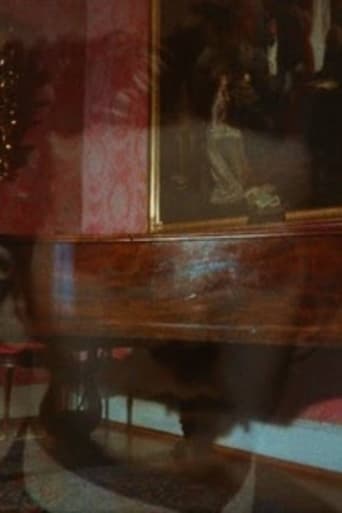
Set to music by Beethoven, this lyrical portrait moves from a chilled and misty exterior to the crystalline interior of the Swiss chateau that King Ludwig II built for Wagner.
 Gammelion · 1968
Gammelion
★ 7.41968
Movie
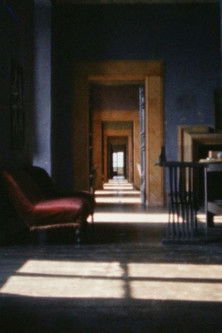
Gammelion 1968, filmed at Il Castello Roccasinibalda in Rieti, Italy, is a major work in Markopoulos’s oeuvre, marking the transition into his late period and anticipating his epic final film, Eniaios 1947–91. Shot with only two rolls of film, the work extends seven minutes of footage to almost one hour of viewing time using hundreds of fades in and out. - Tate Modern
 The Painting · 1972
The Painting
★ 7.01972
MovieDocumentary
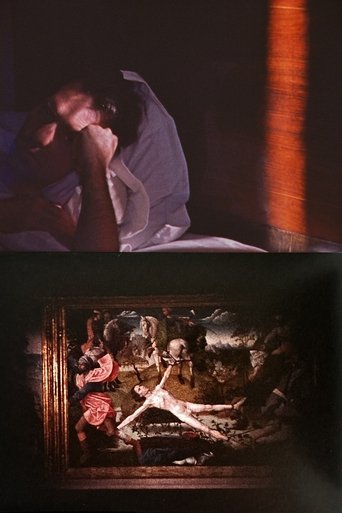
Beavers intercuts scenes of traffic in Bern with details from the 15th-century altarpiece The Martyrdom of St. Hippolytus. In its revised form, the film gains a psychodramatic intensity, juxtaposing Markopoulos in shafts of light with a torn self-portrait and recurring shots of a shattered windowpane.
 Through a Lens Brightly: Mark Turbyfill · 1967
Through a Lens Brightly: Mark Turbyfill
★ 7.01967
Movie
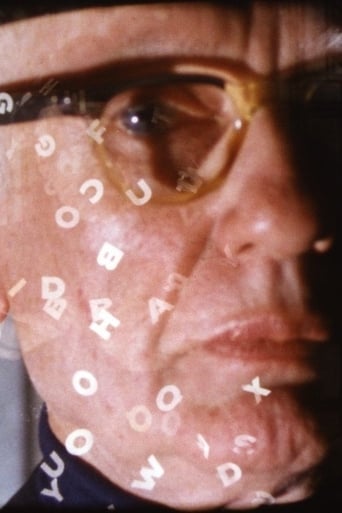
The life of painter, dancer and poet Mark Turbyfill, seen in his 70th year, is evoked through Markopoulos’ unique form of cinematic portraiture.
 Dionysus · 1964
Dionysus
★ 7.01964
Movie
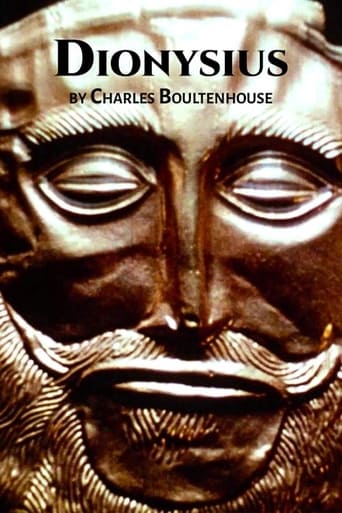
In 1963 Boultenhouse wrote, produced, and directed Dionysius,which he described as a “free treatment of Euripides' The Bacchae.”It starred the dancers Louis Falco, Anna Duncan, and Nicolas Magallanes as Dionysius, Agave, and Pentheus respectively, and the experimental filmmakers Charles Levine, Willard Maas, Gregory Markopoulos, Marie Menken, Lloyd Williams and William Wood as the Chorus of Cameras. The film's score was by Teiji Ito.
 Serenity · 1961
Serenity
★ 6.81961
MovieHistoryDrama
Originally edited in two versions. Version I, 70 minutes; version II, 90 minutes. (The only known existing version is not Markopoulos’s edit and contains additional titles, music and voice-over added later than 1961. 65 minutes.) Filmed in Mytilene and Annavysos, Greece, 1958. Existing copy on video, J. and M. Paris Films, Athens.
 Sotiros · 2000
Sotiros
★ 6.82000
MovieDocumentary
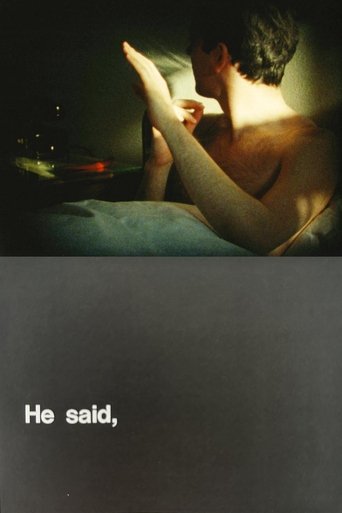
Distilled in 1996 from an earlier 50-minute trilogy, this film was shot in Greece and Austria and structured around two recurring intertitles, “He said” and “he said.” Each introduces delicate studies of light and place—hotel interiors, cafés, hillsides, storefronts, and street life—framed in parallel variations. The title invokes Apollo as savior and healer.
 Swain · 1950
Swain
★ 6.81950
MovieDrama
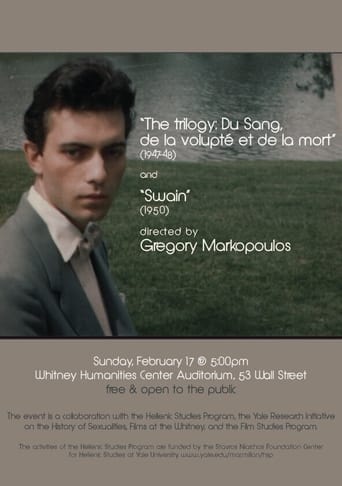
Swain is inspired by Nathaniel Hawthorne’s Fanshawe, features a dreamlike narrative of a young man’s ritualized rejection of heterosexuality, as a mysterious woman in white gossamer pursues him through a ruined landscape.
 Lysis · 1949
Lysis
★ 6.21949
MovieDrama
Markopoulos called Lysis “a study in stream-of-consciousness poetry of a lost, wandering, homosexual soul” and felt that the film foreshadowed The Illiac Passion.
 Charmides · 1949
Charmides
★ 6.01949
MovieDrama
Based on Plato's dialogue Charmides.
 The Olympian · 1969
The Olympian
★ 6.01969
MovieDocumentary
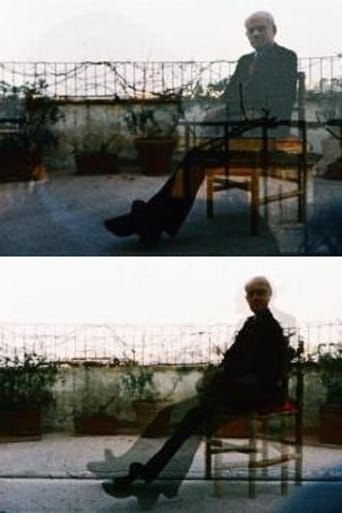
Portrait of novelist Alberto Moravia filmed in Rome.
More Like This
Couldn't load this row right now.
