Scape-Mates

Scape-Mates

1972 · 29 min · ★ 6.3 · Documentary

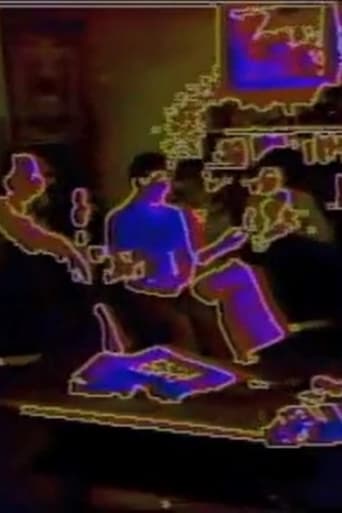
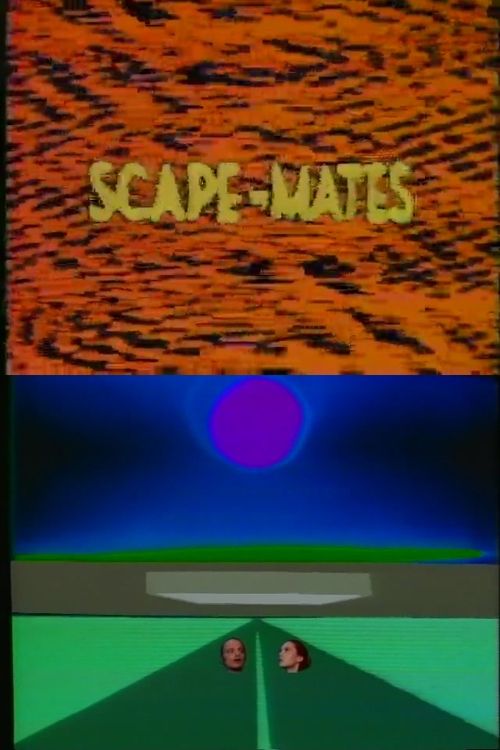
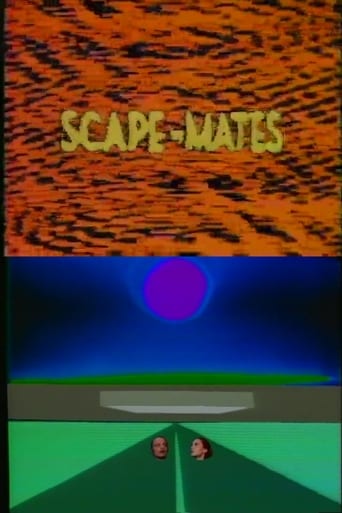
In one of his first experiments in video, Emshwiller creates an electronic landscape of both abstract and figurative elements, where colorized dancers are chroma-keyed into a mutable, computer-animated environment. Working with the "Scan-i-mate," an early analog video synthesizer, Emshwiller choreographs an architectural, illusory video space, in which frames proliferate within frames, disembodied heads and hands move within a collage of animated forms, and the dancers and their environment are subjected to constant transformations through image processing. With its witty interplay of the "real" and the "unreal" in an electronically rendered videospace, and the skillful manipulation and articulation of a sculptural illusion of three-dimensionality, Scape-mates introduced a new vocabulary of video image-making.

Directed by Ed Emshwiller · Written by Ed Emshwiller

Your Rating

Cast

Make it a double feature

2h 25m together
Scape-Mates

Painters Painting

Both from Ed Emshwiller.

More from Ed EmshwillerSee all →

Sur FacesSur Faces · 1977
Sur Faces
★ 10.01977
Movie
Emshwiller writes that Sur Faces is a "stylized collaborative videotape in which actors working with (the artist) explore sexual politics as expressed in styles of drama from Shakespeare to 19th-century social theater, early 20th-century Freudian work, and contemporary fictional autobiographical improvisation. A video collage juxtaposing different ways of using video to express psychological states and conflict." In a synthesis of densely processed, textural images with documentations of dramatic role-playing from sources as varied as Richard III, Strindberg, and the Open Theater, Emshwiller undertakes an inventive inquiry into the transformation and representation of male/female relationships, via video and theater.
DubsDubs · 1978
Dubs
★ 10.01978
Movie
Dubs is a somewhat abstract, experimental video without a clearly defined plot. It focusses mostly on the relationships between men and women and the lies they tell each other.
Film Magazine of the ArtsFilm Magazine of the Arts · 1965
Film Magazine of the Arts
★ 9.01965
MovieDocumentary
"In Spring, 1963 Show Magazine called me and asked that I make a film on arts in New York. I told them, why did they want me to make it - didn't they know I was a bit unusual? ... 'We want something unusual,' they said. So I went out and made a newsreel on arts. Show people looked at the rough cut of the film and became very angry. 'But there is nothing about Show Magazine and DuPont fabrics in the movie,' they said. 'What has that to do with the arts in New York!' I said. The battle was short. The film was destroyed. Really, I have no idea what they did with it. This workprint of the first FILM MAGAZINE OF THE ARTS is the only print in existence, as far as I know." -- J.M.
Time of the HeathenTime of the Heathen · 1962
Time of the Heathen
★ 8.01962
MovieDrama
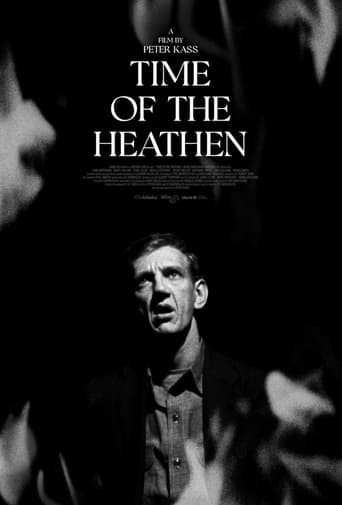
In New York four years after the bombing of Hiroshima, a bible-carrying drifter who witnesses the rape and murder of a black woman is framed and pursued by locals while left as the sole protector of the woman’s young son.
Dance ChromaticDance Chromatic · 1959
Dance Chromatic
★ 8.01959
MovieAnimation
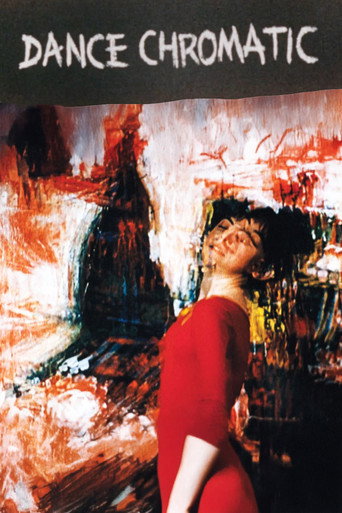
Integrating film and painting, "Dance Chromatic" reveals that the contradiction between the desire to convey the organic growth of form and painting's lack of temporal extension led Emshwiller into filmmaking.
Bob Dylan – Don't Look BackBob Dylan – Don't Look Back · 1967
Bob Dylan – Don't Look Back
★ 7.41967
MovieDocumentaryMusic
In this wildly entertaining vision of one of the twentieth century’s greatest artists, Bob Dylan is surrounded by teen fans, gets into heated philosophical jousts with journalists, and kicks back with fellow musicians Joan Baez, Donovan, and Alan Price.
Painters PaintingPainters Painting · 1973
Painters Painting
★ 7.01973
MovieDocumentaryHistory
Painters Painting: The New York Art Scene 1940-1970 is a 1972 documentary directed by Emile de Antonio. It covers American art movements from abstract expressionism to pop art through conversations with artists in their studios. Artists appearing in the film include Willem de Kooning, Jasper Johns, Andy Warhol, Robert Rauschenberg, Helen Frankenthaler, Frank Stella, Barnett Newman, Hans Hofmann, Jules Olitski, Philip Pavia, Larry Poons, Robert Motherwell, and Kenneth Noland.
Family FocusFamily Focus · 1976
Family Focus
★ 7.01976
Movie
Emshwiller terms Family Focus a "family self-portrait, a stylized autobiography," which takes the form of an intimate collage of home movies, black-and-white videotape and photographs that have been colorized, synthesized or otherwise visually transformed in an electronic mediation by the artist. The viewer is witness to the spontaneous activities and conversations of the family's quotidian home life, which is accompanied by Carol Emshwiller's ironic, often poetic commentary. In one sequence of home movies, the children are seen "growing" over a span of twenty years. Using the video camera as a kind of psychological mirror, Emshwiller integrates video's intimacy, reflexivity and realism with its "unreal" technological manipulations to form what the artist describes as a "documentary/video art transformation of self-revealing images."
SunstoneSunstone · 1979
Sunstone
★ 7.01979
MovieAnimation
Experimental computer animation from pioneering artist Ed Emshwiller.
MillhouseMillhouse · 1971
Millhouse
★ 6.91971
MovieDocumentary
Emile de Antonio's film decimates Richard Nixon and exposes him as a paranoid, power mad lunatic... de Antonio compiles (via video and film) what amounts to the "best of" one of the worst political figures of the 20th century. Nixon was a shameless self-promoter while trying desperately to convince everyone that he wasn't. Through Alger Hiss and the "Checkers" speech to the character assassination of Helen Gahagan Douglas (among others), there are few stones left unturned.
The Lathe of HeavenThe Lathe of Heaven · 1980
The Lathe of Heaven
★ 6.61980
MovieScience FictionFantasy
George Orr, a man whose dreams can change waking reality, tries to suppress this unpredictable gift with drugs. Dr. Haber, an assigned psychiatrist, discovers the gift to be real and hypnotically induces Mr. Orr to change reality for the benefit of mankind --- with bizarre and frightening results.
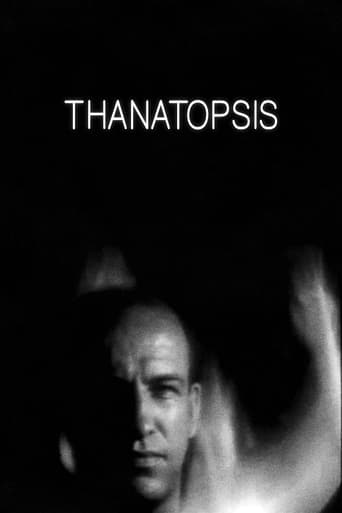
ThanatopsisThanatopsis · 1963
Thanatopsis
★ 6.41963
MovieHorror
Power saws and a heartbeat score this experimental light-and-color shot by Ed Emshwiller.
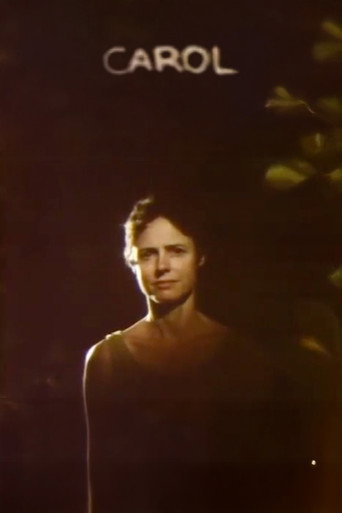
CarolCarol · 1970
Carol
★ 6.01970
MovieRomanceDocumentary
Ed Emshwiller’s tender portrait of his wife, avant-garde science fiction writer Carol Emshwiller.
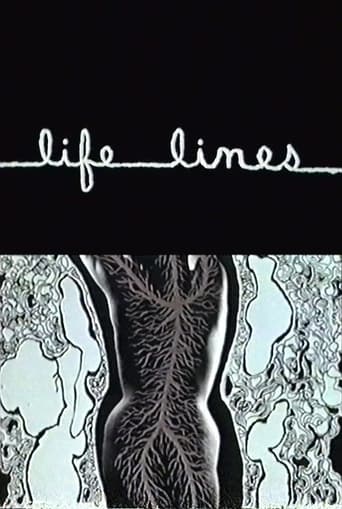
LifelinesLifelines · 1960
Lifelines
★ 5.81960
MovieAnimation
A combination of animated line drawings with live photography of a nude model. A play on the title (living lines, life model, procreation and hand life line).
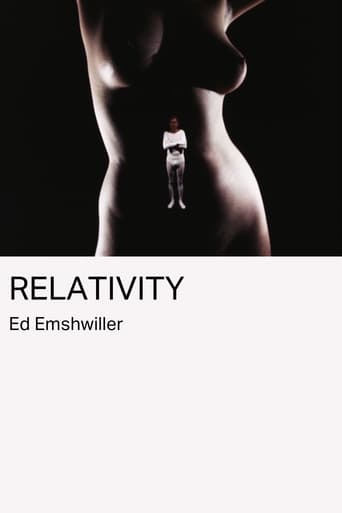
RelativityRelativity · 1966
Relativity
★ 5.51966
MovieDrama
Emshwiller made this film on a Ford Foundation grant, and in his original proposal to the Ford Foundation, he outlined the film as "something that deals with subjective reality, the emotional sense of what one's perception of the total environment is -- sexual, physical, social, time, space, life, death."
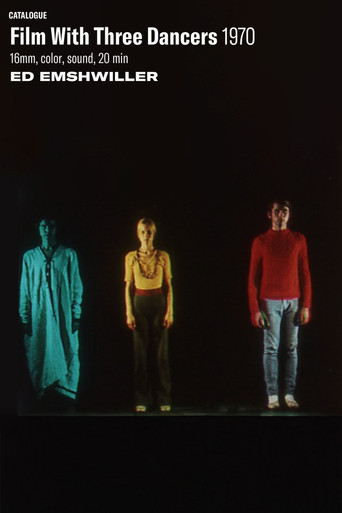
Film with Three DancersFilm with Three Dancers · 1971
Film with Three Dancers
★ 5.51971
MovieMusic
In this spin-off from his original plan for Relativity (1966), Emshwiller continued with his desire to penetrate “space in a kind of flying camera, a dream of flying, a kind of sensual, sexual imagery where you were constantly going into an unknown space.” A trio of dancers (Carolyn Carlson, Emery Hermans, Bob Beswick) appear "first in leotards, then in bluejeans, then naked, as they “pass through rituals of movement.”

More Like This

Couldn't load this row right now.
Rate this film

Your ratings make Midnight smarter