Directing
Ed Emshwiller
Born February 16, 1925 · Lansing, Michigan
Died July 27, 1990 · aged 65
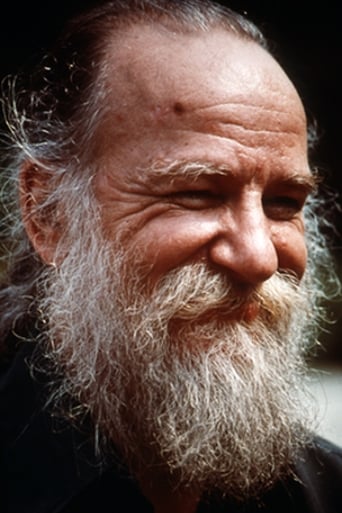
Born in 1925, Ed Emshwiller studied graphic design at the University of Michigan and L'Ecole des Beaux Arts in Paris. By the late '60s Emshwiller was working as a science fiction illustrator, and had established his place in the American avant-garde cinema with such works as Relativity (1966) and Image, Flesh and Voice (1969). His early films featured collaborations with dancers and choreographers…
Known For
 Bob Dylan – Don't Look Back · 1967
Bob Dylan – Don't Look Back
★ 7.41967
MovieDocumentaryMusic
In this wildly entertaining vision of one of the twentieth century’s greatest artists, Bob Dylan is surrounded by teen fans, gets into heated philosophical jousts with journalists, and kicks back with fellow musicians Joan Baez, Donovan, and Alan Price.
 Painters Painting · 1973
Painters Painting
★ 7.01973
MovieDocumentaryHistory
Painters Painting: The New York Art Scene 1940-1970 is a 1972 documentary directed by Emile de Antonio. It covers American art movements from abstract expressionism to pop art through conversations with artists in their studios. Artists appearing in the film include Willem de Kooning, Jasper Johns, Andy Warhol, Robert Rauschenberg, Helen Frankenthaler, Frank Stella, Barnett Newman, Hans Hofmann, Jules Olitski, Philip Pavia, Larry Poons, Robert Motherwell, and Kenneth Noland.
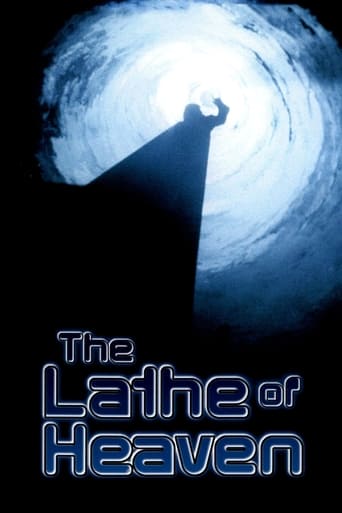 The Lathe of Heaven · 1980
The Lathe of Heaven
★ 6.61980
MovieScience FictionFantasy
George Orr, a man whose dreams can change waking reality, tries to suppress this unpredictable gift with drugs. Dr. Haber, an assigned psychiatrist, discovers the gift to be real and hypnotically induces Mr. Orr to change reality for the benefit of mankind --- with bizarre and frightening results.
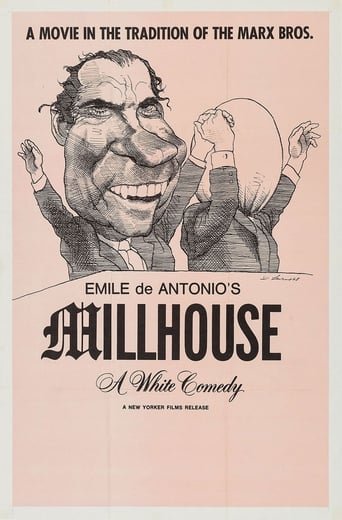 Millhouse · 1971
Millhouse
★ 6.91971
MovieDocumentary
Emile de Antonio's film decimates Richard Nixon and exposes him as a paranoid, power mad lunatic... de Antonio compiles (via video and film) what amounts to the "best of" one of the worst political figures of the 20th century. Nixon was a shameless self-promoter while trying desperately to convince everyone that he wasn't. Through Alger Hiss and the "Checkers" speech to the character assassination of Helen Gahagan Douglas (among others), there are few stones left unturned.
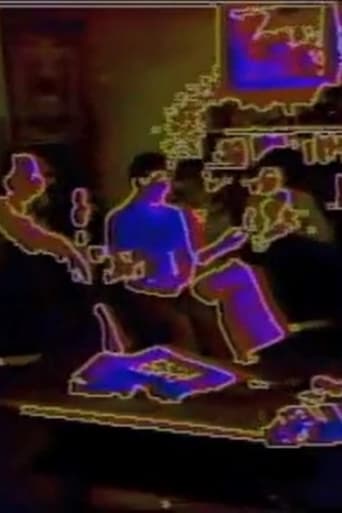 Family Focus · 1976
Family Focus
★ 7.01976
Movie
Emshwiller terms Family Focus a "family self-portrait, a stylized autobiography," which takes the form of an intimate collage of home movies, black-and-white videotape and photographs that have been colorized, synthesized or otherwise visually transformed in an electronic mediation by the artist. The viewer is witness to the spontaneous activities and conversations of the family's quotidian home life, which is accompanied by Carol Emshwiller's ironic, often poetic commentary. In one sequence of home movies, the children are seen "growing" over a span of twenty years. Using the video camera as a kind of psychological mirror, Emshwiller integrates video's intimacy, reflexivity and realism with its "unreal" technological manipulations to form what the artist describes as a "documentary/video art transformation of self-revealing images."
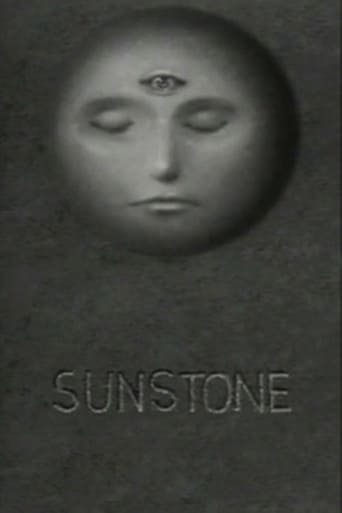 Sunstone · 1979
Sunstone
★ 7.01979
MovieAnimation
Experimental computer animation from pioneering artist Ed Emshwiller.
 Relativity · 1966
Relativity
★ 5.51966
MovieDrama
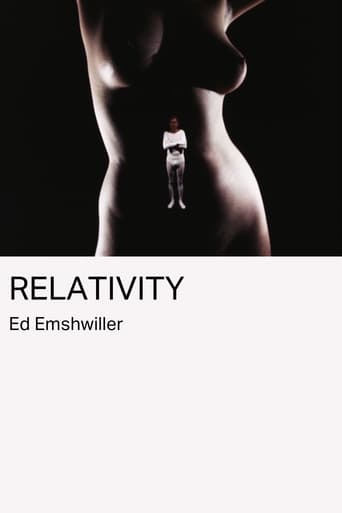
Emshwiller made this film on a Ford Foundation grant, and in his original proposal to the Ford Foundation, he outlined the film as "something that deals with subjective reality, the emotional sense of what one's perception of the total environment is -- sexual, physical, social, time, space, life, death."
 Time of the Heathen · 1962
Time of the Heathen
★ 8.01962
MovieDrama
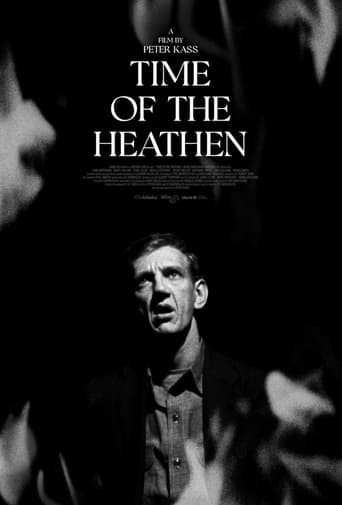
In New York four years after the bombing of Hiroshima, a bible-carrying drifter who witnesses the rape and murder of a black woman is framed and pursued by locals while left as the sole protector of the woman’s young son.