The National Prizes
1969 · 5 min · ★ 6.2 · Documentary
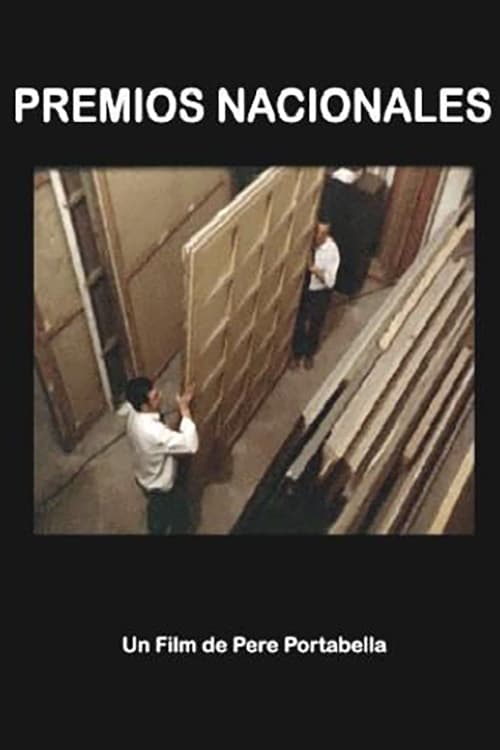
With musical accompaniment from the zarzuela 'The drum Grenadiers' by Ruperto Chapí, a pair of custodians are in the basement of the National Library of Madrid showing some canvas awarded with the National Prize for Painting between 1941 and 1969.
Directed by Pere Portabella · Written by Pere Portabella
Your Rating
Where to Watch
Streaming

Make it a double feature
36m together
Both from Pere Portabella.
More from Pere PortabellaSee all →
 Art a Catalunya · 1992
Art a Catalunya
★ 10.01992
MovieDocumentary
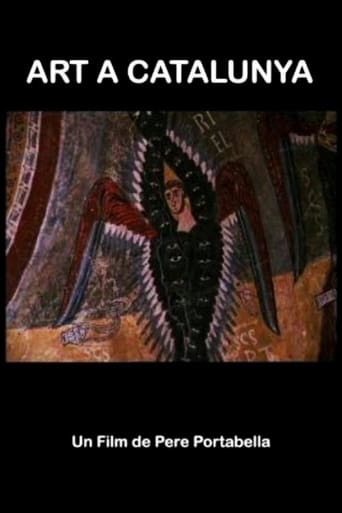
An itinerary through the great creations of Catalan art: Romanesque, Gothic, Modernist and Contemporary; with interviews to Catalan creators such as architect Ricardo Bofill, poet Pere Gimferrer, sculptor Susana Solano, and painter Antoni Tàpies.
 In the same boat · 2016
In the same boat
★ 8.12016
MovieDocumentary
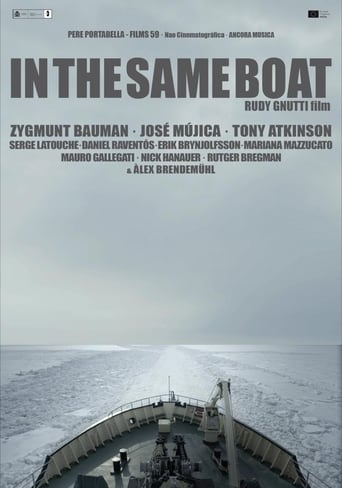
A documentary about the technological progress responsibility in employment destruction, analyzed by philosopher Zygmunt Bauman and others.
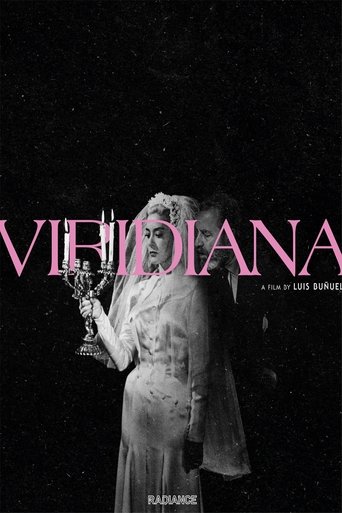 Viridiana · 1962
Viridiana
★ 7.71962
MovieDrama
Viridiana is preparing to start her life as a nun when she is sent, somewhat unwillingly, to visit her aging uncle, Don Jaime. He supports her; but the two have met only once. Jaime thinks Viridiana resembles his dead wife. Viridiana has secretly despised this man all her life and finds her worst fears proven when Jaime grows determined to seduce his pure niece. Viridiana becomes undone as her uncle upends the plans she had made to join the convent.
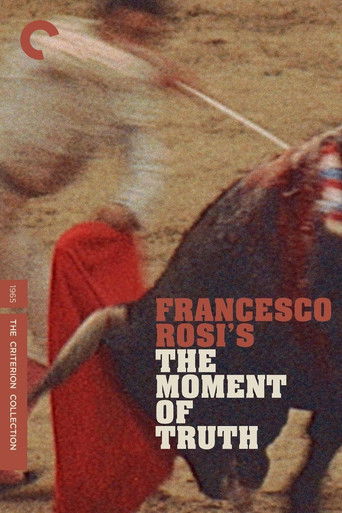 The Moment of Truth · 1965
The Moment of Truth
★ 7.11965
MovieDrama
Miguel, a poor young man living in Franco's Spain becomes a bull fighter to escape poverty.
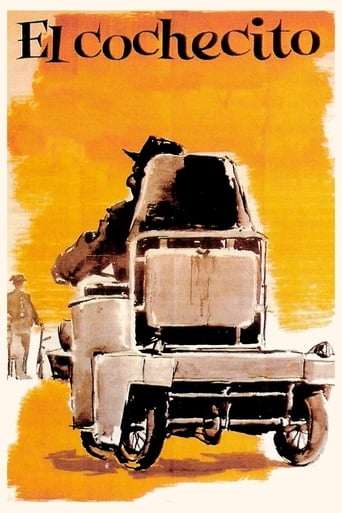 The Wheelchair · 1960
The Wheelchair
★ 6.81960
MovieComedy
Don Anselmo, a retired old man, decides to buy a motorized disabled stroller since all his pensioner friends own one. His family strongly refuses him to purchase the vehicle, so don Anselmo decides to take extreme measures to achieve his goal…
 The Silence Before Bach · 2007
The Silence Before Bach
★ 6.82007
MovieMusic
A beautiful, sometimes faintly bonkers celebration and contemplation of the role Bach’s music plays in the world today. Blending historical reconstruction with very loosely linked ‘dramatic’ scenes and documentary sequences, the film constitutes a playful, painterly sequence of variations on the argument that Johann Sebastian changed the way the world hears thanks to his extraordinary ear for harmony.
 Train of Shadows · 1997
Train of Shadows
★ 6.71997
MovieDrama
Experimental silent homage to the origins of cinema, recreating the apparent disappearance of a French photographer in the 1920s.
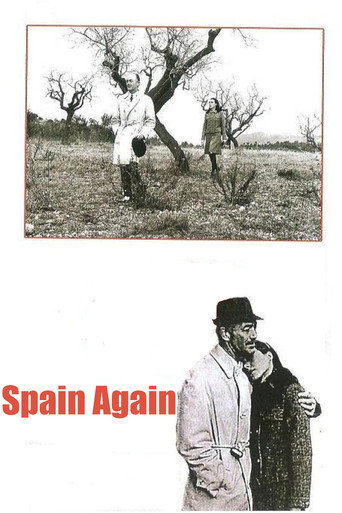 Spain Again · 1969
Spain Again
★ 6.51969
MovieDrama
David is a physician who returns to Spain 30 years after his involvement in the Spanish Civil War. Now a member of a medical convention, he looks up old friends and finds his former lover, now a married woman with a flamenco-dancing daughter. He and the daughter have an immediate and mutual attraction to each other. He considers running away with the exotic beauty before asking his wife to join him for an extended vacation after the convention .
 Aidez l'Espagne · 1969
Aidez l'Espagne
★ 6.41969
MovieDocumentary
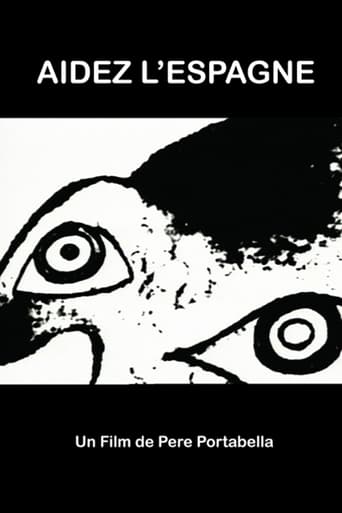
The Colegio de Arquitectos de Catalunya commissioned Pere Portabella to make this film for the Joan Miró retrospective exhibit in 1969. There were heated discussions on whether it would be prudent to screen the film during the exhibit. Portabella took the following stance: "either both films are screened or they don't screen any" and, finally, both Miro l'Altre and Aidez l'Espagne were shown. The film was made by combining newsreels and film material from the Spanish Civil War with prints by Miró from the series "Barcelona" (1939-1944). The film ends with the painter's "pochoir" known as Aidez l'Espagne.
 Far from the Trees · 1972
Far from the Trees
★ 6.21972
MovieDocumentary
An unprejudiced portrait of Spanish folklore and a crude analysis in black and white of its intimate relationship with atavism and superstition, with violence and pain, with blood and death; a story of terror, a journey to the most sinister and ancestral Spain; the one that lived far from the most visited tourist destinations, from the economic miracle and unstoppable progress, relentlessly promoted by the Franco regime during the sixties.
 Vampir Cuadecuc · 1972
Vampir Cuadecuc
★ 6.11972
MovieDocumentary
An atmospheric essay, which is an alternative version of Count Dracula, a film directed by Jess Franco in 1970; a ghostly narration between fiction and reality.
 Umbracle · 1972
Umbracle
★ 5.91972
MovieDocumentary
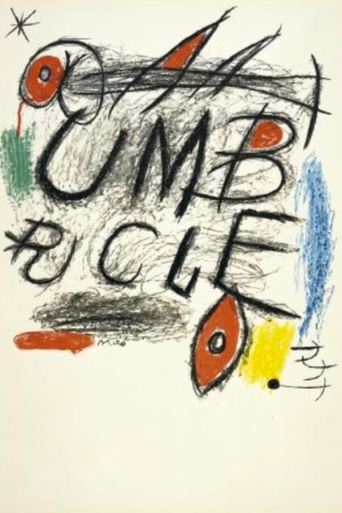
This film turns on two basic axes: the inquiry into ways of cinematographic representation and a critical image of official Spain at the time of the Franco dictatorship. “Montage of attractions” and Brechtianism in strong doses. Umbracle is made up of fragments (some are archive footage) that resound rather than progress by unusual links, with dejá vu scenes that promise us more but remain tensely unfinished. Jonathan Rosembaun said: “few directors since Resnais have played so ruthlessly with the unconscious narrative expectations to bug us”. Learning from the feeling of strangeness caused by Rossellini as he threw well known actors into savage scenery in southern Europe. Portabella makes Christopher Lee wander around a dream-like Barcelona. Without a doubt Portabella’s most structurally complex and most profoundly political film, that is ferociously poetic.
 The Dinner · 1974
The Dinner
★ 5.91974
MovieDocumentary
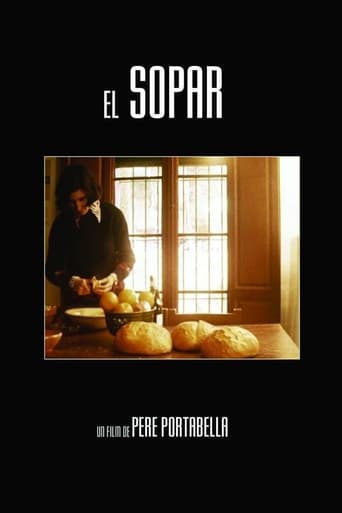
Five ex-political prisoners meet secretly in a country house one afternoon in 1974 on the same day that Salvador Puig Antich is executed, to talk about their experiences in prison.
 Marquis de Sade: Justine · 1969
Marquis de Sade: Justine
★ 5.01969
MovieDramaHorror
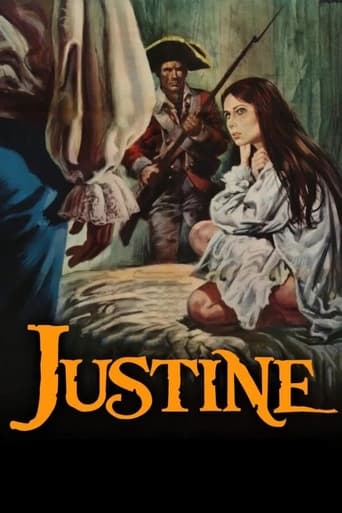
Without a family, penniless and separated from her sister, a beautiful chaste woman will have to cope with an endless parade of villains, perverts and degenerates who will claim not only her treasured virtue but also her life.
 Miró, l’altre · 1969
Miró, l’altre
★ 5.01969
MovieDocumentary
As publicity for the exhibit Miró L’altre, organized by the Colegio de Arquitectos de Catalunya in 1969, the Board commissioned Pere Portabella to film Miró painting the “poster” for the exhibit on the ground floor windows of the building. Portabella was not interested in simply filming a testimonial documentary. However, he said he would do the film if after the exhibit Joan Miró himself, with the help of the cleaning staff erased his own painting. Joan Miró accepted the idea without a doubt. The complicity between the film maker and the painter is evident in the filming.
 Warsaw Bridge · 1990
Warsaw Bridge
★ 4.91990
MovieDrama
A female professor, a writer, and an orchestra conductor--three characters, two couples--attend a grand literary cocktail party. The writer has just won the prize for his book "Warsaw Bridge." The winner answers the journalist's questions one after another, but he is unable to come up with a synthesis of the plot of his book. They will simply have to read it.
More Like This
Couldn't load this row right now.
