Directing
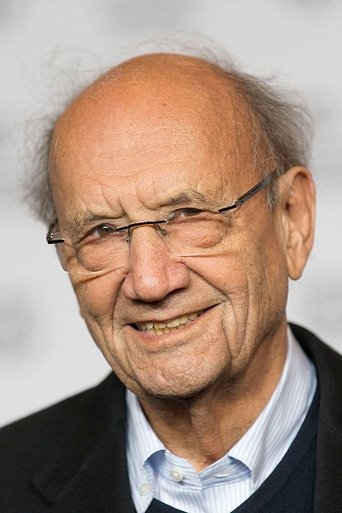
Pere Portabella
Born January 1, 1927 · Figueres, Catalonia, Spain (age 99)
Pere Portabella (born in 1927) is a Catalan director, producer, and politician. In 1977, he was elected Senator in Spain's first democratic elections and participated in the writing of the Spanish Constitution. As a filmmaker, his style is experimental, reaching new aspects of film language, often with a poetic tone and social content. Portabella is hailed as an essential figure in the political a…
Known For
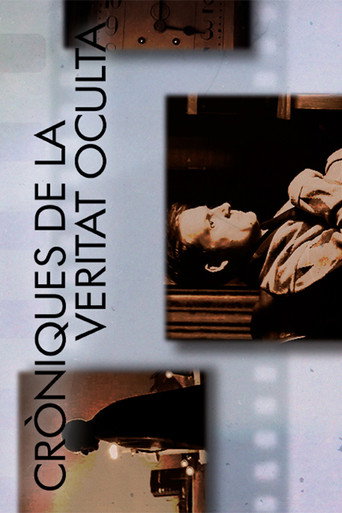
 Vampir Cuadecuc · 1972
Vampir Cuadecuc
★ 6.11972
MovieDocumentary
An atmospheric essay, which is an alternative version of Count Dracula, a film directed by Jess Franco in 1970; a ghostly narration between fiction and reality.
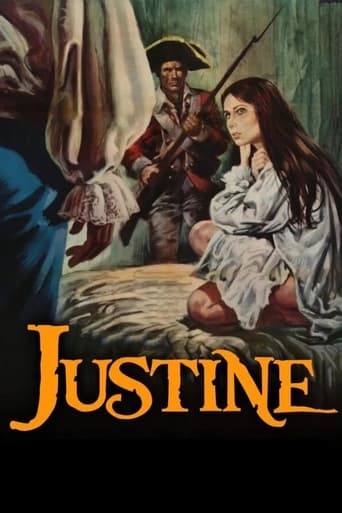 Marquis de Sade: Justine · 1969
Marquis de Sade: Justine
★ 5.01969
MovieDramaHorror
Without a family, penniless and separated from her sister, a beautiful chaste woman will have to cope with an endless parade of villains, perverts and degenerates who will claim not only her treasured virtue but also her life.
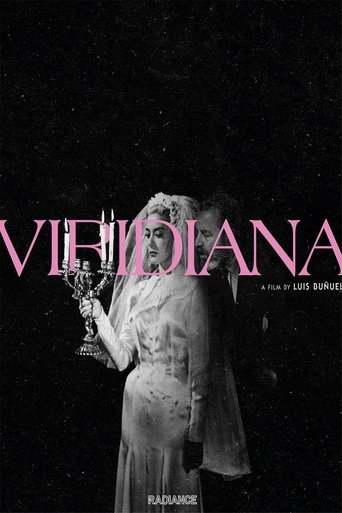 Viridiana · 1962
Viridiana
★ 7.71962
MovieDrama
Viridiana is preparing to start her life as a nun when she is sent, somewhat unwillingly, to visit her aging uncle, Don Jaime. He supports her; but the two have met only once. Jaime thinks Viridiana resembles his dead wife. Viridiana has secretly despised this man all her life and finds her worst fears proven when Jaime grows determined to seduce his pure niece. Viridiana becomes undone as her uncle upends the plans she had made to join the convent.
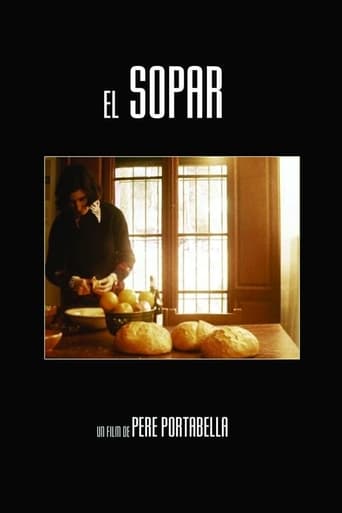 The Dinner · 1974
The Dinner
★ 5.91974
MovieDocumentary
Five ex-political prisoners meet secretly in a country house one afternoon in 1974 on the same day that Salvador Puig Antich is executed, to talk about their experiences in prison.
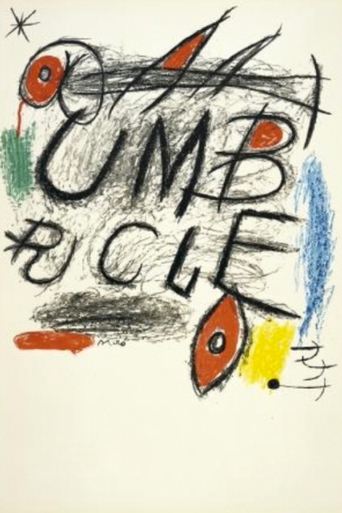 Umbracle · 1972
Umbracle
★ 5.91972
MovieDocumentary
This film turns on two basic axes: the inquiry into ways of cinematographic representation and a critical image of official Spain at the time of the Franco dictatorship. “Montage of attractions” and Brechtianism in strong doses. Umbracle is made up of fragments (some are archive footage) that resound rather than progress by unusual links, with dejá vu scenes that promise us more but remain tensely unfinished. Jonathan Rosembaun said: “few directors since Resnais have played so ruthlessly with the unconscious narrative expectations to bug us”. Learning from the feeling of strangeness caused by Rossellini as he threw well known actors into savage scenery in southern Europe. Portabella makes Christopher Lee wander around a dream-like Barcelona. Without a doubt Portabella’s most structurally complex and most profoundly political film, that is ferociously poetic.
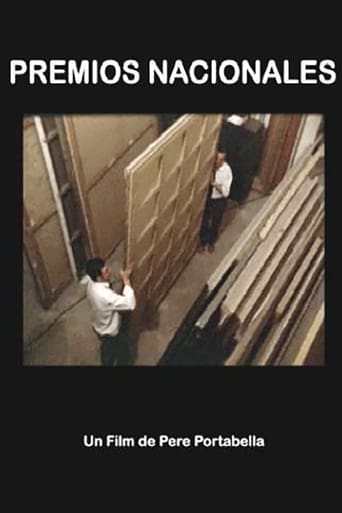 The National Prizes · 1969
The National Prizes
★ 6.21969
MovieDocumentary
With musical accompaniment from the zarzuela 'The drum Grenadiers' by Ruperto Chapí, a pair of custodians are in the basement of the National Library of Madrid showing some canvas awarded with the National Prize for Painting between 1941 and 1969.
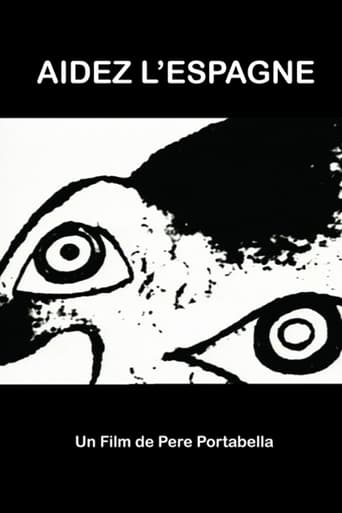 Aidez l'Espagne · 1969
Aidez l'Espagne
★ 6.41969
MovieDocumentary
The Colegio de Arquitectos de Catalunya commissioned Pere Portabella to make this film for the Joan Miró retrospective exhibit in 1969. There were heated discussions on whether it would be prudent to screen the film during the exhibit. Portabella took the following stance: "either both films are screened or they don't screen any" and, finally, both Miro l'Altre and Aidez l'Espagne were shown. The film was made by combining newsreels and film material from the Spanish Civil War with prints by Miró from the series "Barcelona" (1939-1944). The film ends with the painter's "pochoir" known as Aidez l'Espagne.
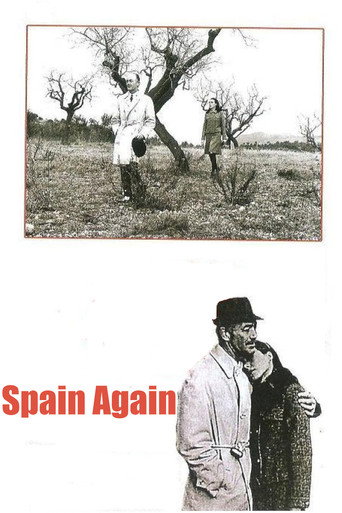 Spain Again · 1969
Spain Again
★ 6.51969
MovieDrama
David is a physician who returns to Spain 30 years after his involvement in the Spanish Civil War. Now a member of a medical convention, he looks up old friends and finds his former lover, now a married woman with a flamenco-dancing daughter. He and the daughter have an immediate and mutual attraction to each other. He considers running away with the exotic beauty before asking his wife to join him for an extended vacation after the convention .
Filmography
Sort