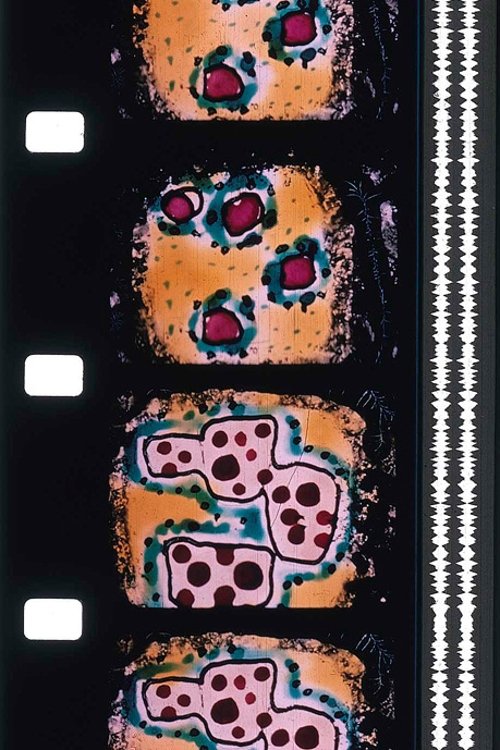
No. 1: A Strange Dream
1939 · 3 min · ★ 5.9 · Animation
Hand-painted 35 mm stock photographed in 16 mm, color, silent, 2:20 or 5 min. Initially intended to be screened with and synchronized to Dizzy Gillespie's Manteca or Guarachi Guaro. "...the history of the geologic period reduced to orgasm length."
Directed by Harry Smith
Your Rating
More from Harry SmithSee all →
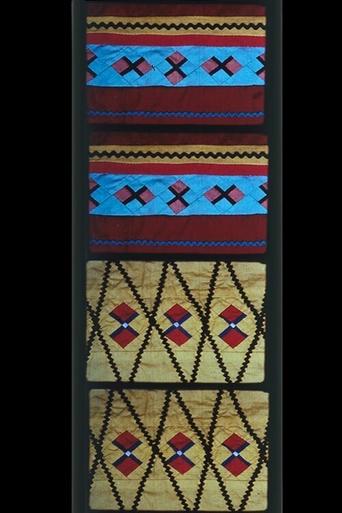 No. 15: Untitled Animation of Seminole Patchwork Film · 1965
No. 15: Untitled Animation of Seminole Patchwork Film
★ 8.01965
MovieAnimation
16 mm, color, silent, 10 min. Animation of Seminole patchwork.
 Early Abstractions · 1965
Early Abstractions
★ 6.31965
MovieAnimation
Early Abstractions is a collection of seven short animated films created by Harry Everett Smith between 1939 and 1956. Each film is between two and six minutes long, and is named according to the chronological order in which it was made. The collection includes Numbers 1–5, 7, and 10.
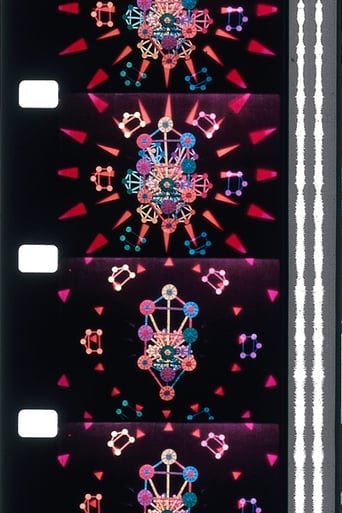 No. 10: Mirror Animations · 1956
No. 10: Mirror Animations
★ 6.11956
MovieAnimation
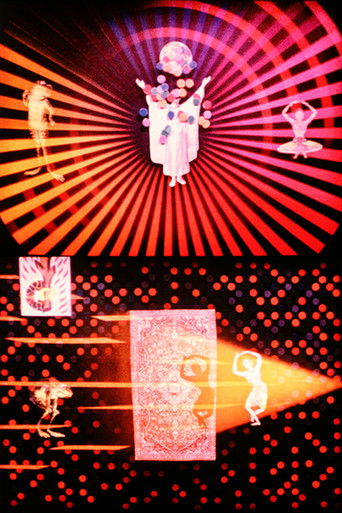
Study for Film No. 11: Mirror Animations (1957). Harry Smith described the film as, “An exposition of Buddhism and the Kaballah in the form of a collage. The final scene shows Agaric mushrooms growing on the moon while the Hero and Heroine row by on a cerebrum”.
 No. 11: Mirror Animations · 1956
No. 11: Mirror Animations
★ 5.81956
MovieAnimation
Cut up animation and collage technique by Harry Smith synchronized to the jazz of Thelonious Monk's Mysterioso.
 No. 2: Message From the Sun · 1947
No. 2: Message From the Sun
★ 5.81947
MovieAnimation
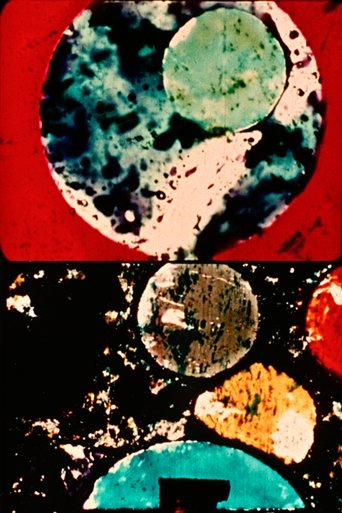
Hand-painted 35 mm stock photographed in 16 mm, color, 2:15 or 10 min. Initially intended to be screened with and synchronized to Dizzy Gillespie's Algo Bueno. This film "takes place either inside the sun or in... Switzerland" according to Smith. To produce this film he used a technique that involved cutting stickers of the type used to reinforce the holes in 3-ring binder paper. These were applied to 16 mm movie film and used like a stencil. Layers of vaseline and paint were used to color each frame in this manner. The effect is hypnotic, psychedelic and is something like a visual music.
 No. 3: Interwoven · 1947
No. 3: Interwoven
★ 5.81947
MovieAnimation
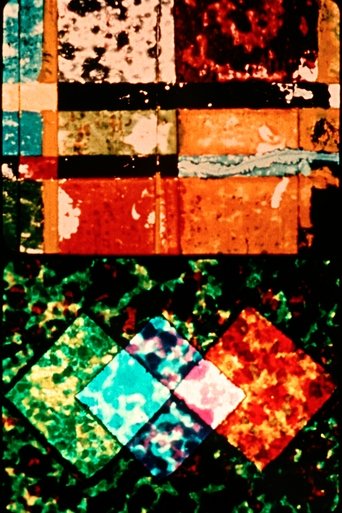
Hand-painted 35 mm stock photographed in 16 mm, color, 3:20 or 10 min. Reportedly cut down from about 30 min. Initially intended to be screened with and synchronized to Dizzy Gillespie's Guarachi Guaro or Manteca. "Batiked animation made of dead squares...".
 No. 13: Oz · 1962
No. 13: Oz
★ 5.71962
MovieAnimation
Unfinished commercial adaptation of L. Frank Baum's The Wonderful Wizard of Oz which was shelved after Smith's close friend, the executive producer and primary financial backer Arthur Young died of cancer. Portions released as No. 16, 19, and 20. From the reported three to six hours of camera test footage (rushes) only ca. 15 minutes, in the form of non-color-corrected rushes, is known to be extant. The only completed bit is The Approach to Emerald City, a 5 (other sources say 9 resp. 12) minute sequence set to music from Charles Gounod's Faust.
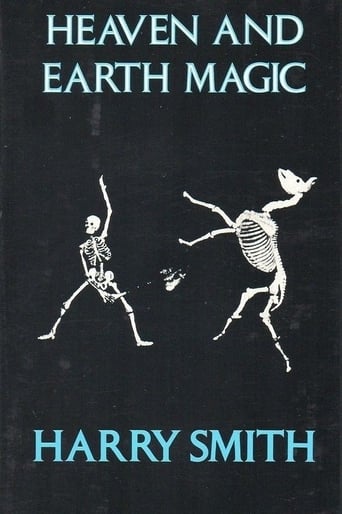 Heaven and Earth Magic · 1962
Heaven and Earth Magic
★ 5.61962
MovieAnimation
The first part depicts the heroine's toothache consequent to the loss of a very valuable watermelon, her dentistry and transportation to heaven. Next follows an elaborate exposition of the heavenly land, in terms of Israel and Montreal. The second part depicts the return to Earth from being eaten by Max Müller on the day Edward VII dedicated the Great Sewer of London.
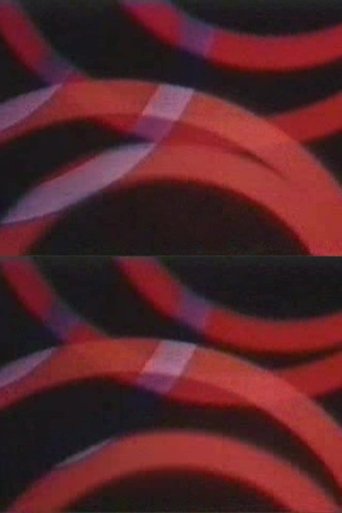 No. 5: Circular Tensions (Homage to Oskar Fischinger) · 1949
No. 5: Circular Tensions (Homage to Oskar Fischinger)
★ 5.51949
MovieAnimation
Experimental short. 16 mm, color, silent, 2:30 or 6 min. Sequel to No. 4.
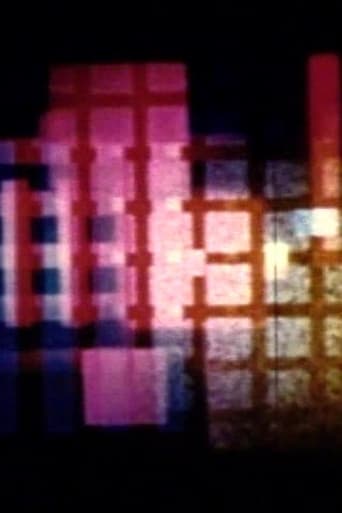 No. 7: Color Study · 1951
No. 7: Color Study
★ 5.51951
MovieAnimation
16 mm, color, silent, 5:25 or 15 min. "Optically printed Pythagoreanism in four movements supported on squares, circles, grillwork, and triangles with an interlude concerning an experiment."
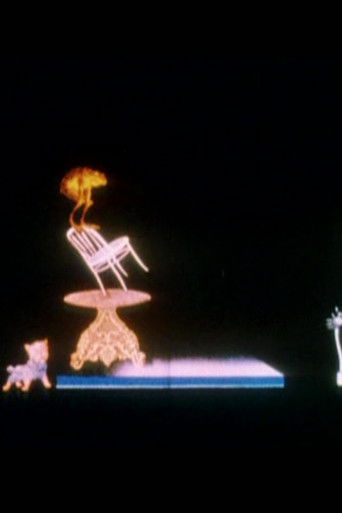 No. 16: Oz: The Tin Woodman's Dream · 1967
No. 16: Oz: The Tin Woodman's Dream
★ 5.21967
MovieAnimation
The Tin Woodman, framed by light bulbs, does a little dance, leaps and retrieves his axe from outside the frame, chops down a tree that turns into various objects, grabs a heart emblem from the corner, and goes to the Emerald City at night with Toto. He goes to the edge of a cliff, where he meats an Asian spirit who gives him a heart shape that becomes a kite that hooks to him with a cane. This is followed by approximately ten minutes of kaleidoscopic images, including a man's hands, a dancing girl, and a cutout of Krishna.
 No. 4: Fast Track · 1947
No. 4: Fast Track
★ 5.11947
MovieAnimation
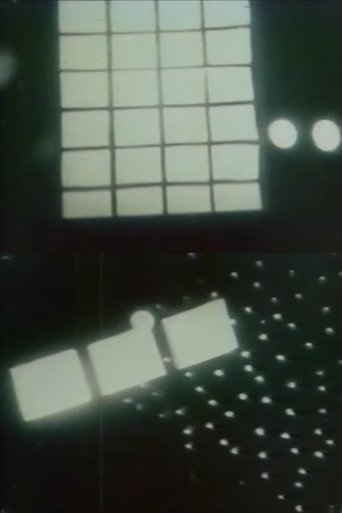
16 mm, black & white and color, 2:16 or 6 min. Silent though possibly intended to be screened with Dizzy Gillespie's Manteca. The film starts with a color sequence showing Smith's painting Manteca (ca. 1950) with which he tried to subjectively depict Gillespie's song, every brushstroke representing a music note. The film concludes with black & white superimpositions.
 Chinese Checkers · 1965
Chinese Checkers
★ 4.51965
MovieRomance
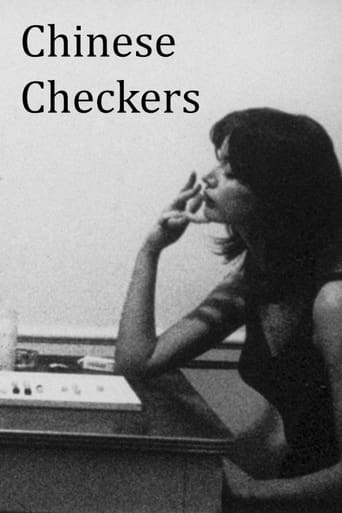
His Oriental predator is at first clothed in black, her 'victim' in white; slowly the costumes change, the victim acquiring a veil of mourning, until finally - as if to underline the ambiguity and interchangeability of their respective roles - the colours are reversed altogether. Still more interesting is the way in which, as the game becomes more ambiguous, Dwoskin adds fresh layers of make-up to his characters' faces, until they become almost caricature masks of their original selves.
 Laboratorium Anthology · 1999
Laboratorium Anthology
1999
MovieDocumentary
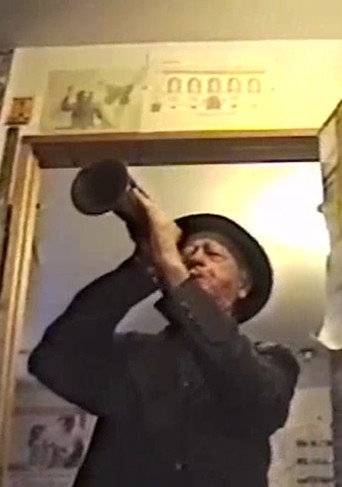
Scenes from the life and work at Anthology Film Archives. Much of the footage in this video was shot by Auguste Varkalis.
 Autobiography · 1951
Autobiography
1951
Movie
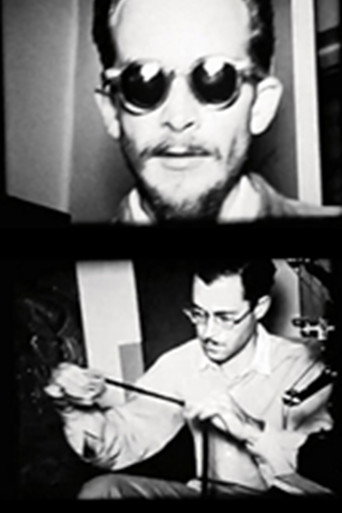
A home movie from 1951 called Autobiography, shot by Belson and Smith in Belson’s North Beach apartment, depicts the classic Beat pad with Smith and Belson’s paintings on the wall, a 16mm projector, and appearances by filmmakers Hy Hirsh and Chris Maclaine and poets Philip Lamantia, Weldon Kees, and Gerd Stern.
 Roscoe Holcomb from Daisy, Kentucky · 2010
Roscoe Holcomb from Daisy, Kentucky
2010
MovieDocumentary
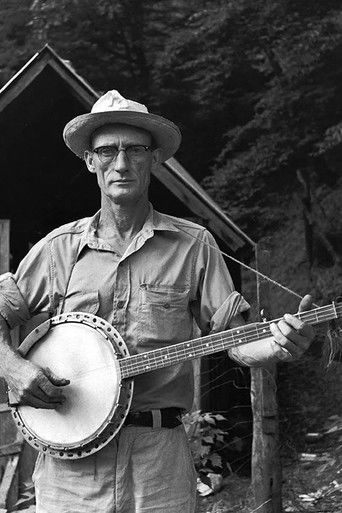
Roscoe Holcomb was one of America’s greatest banjo players, a musician whose haunting vocal intonations, Old Regular Baptist in tradition, gave Bob Dylan and Eric Clapton the chills and gave John Cohen’s 1963 film High Lonesome Sound its name. Drawing on footage he shot in 1962 and 1974 in Daisy, Kentucky, Cohen made this incredibly moving portrait of Holcomb, for whom the holy spirit always rose up plain and true: “Sometimes, you know, you feel like playing certain songs. I feel like playing the old banjo, I feel like playing some religious songs. I sit down, I feel lonesome. I could play you some of these old religious songs and it just fits me plumb through. Or I could pick up the guitar—the guitar is mostly for the blues. It’s just according to what a man feels, what he’s got on his mind.” His body ravaged by a life in the coal mines and sawmills, Roscoe Holcomb died in 1981 at the age of 68. — Museum of Modern Art
More Like This
Couldn't load this row right now.
