H
Directing
Harry Smith
Born May 29, 1923 · Portland, Oregon, USA
Died November 27, 1991 · aged 68
Harry Everett Smith (May 29, 1923 in Portland, Oregon – November 27, 1991 in New York City) was a visual artist, experimental filmmaker, record collector, bohemian, mystic, and largely self-taught student of anthropology. Smith was an important figure in the Beat Generation scene in New York City, and his activities, such as his use of mind-altering substances and interest in esoteric spirituality…
Known For
 Laboratorium Anthology · 1999
Laboratorium Anthology
1999
MovieDocumentary
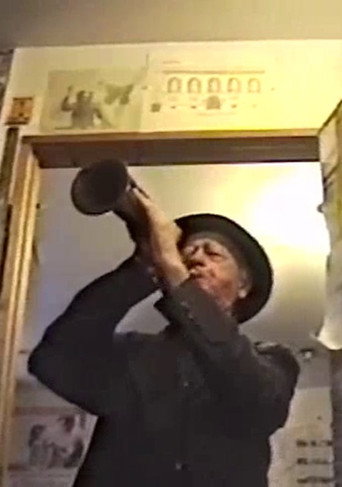
Scenes from the life and work at Anthology Film Archives. Much of the footage in this video was shot by Auguste Varkalis.
 Roscoe Holcomb from Daisy, Kentucky · 2010
Roscoe Holcomb from Daisy, Kentucky
2010
MovieDocumentary
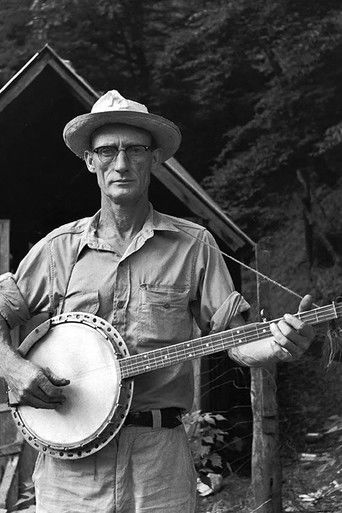
Roscoe Holcomb was one of America’s greatest banjo players, a musician whose haunting vocal intonations, Old Regular Baptist in tradition, gave Bob Dylan and Eric Clapton the chills and gave John Cohen’s 1963 film High Lonesome Sound its name. Drawing on footage he shot in 1962 and 1974 in Daisy, Kentucky, Cohen made this incredibly moving portrait of Holcomb, for whom the holy spirit always rose up plain and true: “Sometimes, you know, you feel like playing certain songs. I feel like playing the old banjo, I feel like playing some religious songs. I sit down, I feel lonesome. I could play you some of these old religious songs and it just fits me plumb through. Or I could pick up the guitar—the guitar is mostly for the blues. It’s just according to what a man feels, what he’s got on his mind.” His body ravaged by a life in the coal mines and sawmills, Roscoe Holcomb died in 1981 at the age of 68. — Museum of Modern Art
 Autobiography · 1951
Autobiography
1951
Movie
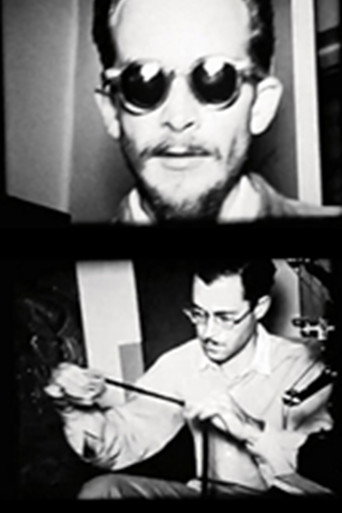
A home movie from 1951 called Autobiography, shot by Belson and Smith in Belson’s North Beach apartment, depicts the classic Beat pad with Smith and Belson’s paintings on the wall, a 16mm projector, and appearances by filmmakers Hy Hirsh and Chris Maclaine and poets Philip Lamantia, Weldon Kees, and Gerd Stern.
 No. 10: Mirror Animations · 1956
No. 10: Mirror Animations
★ 6.11956
MovieAnimation
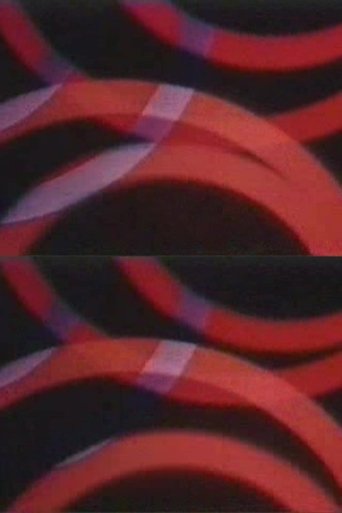
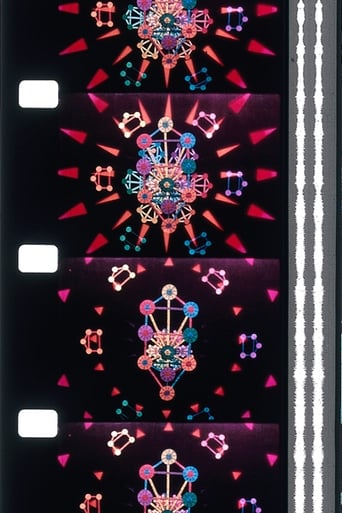
Study for Film No. 11: Mirror Animations (1957). Harry Smith described the film as, “An exposition of Buddhism and the Kaballah in the form of a collage. The final scene shows Agaric mushrooms growing on the moon while the Hero and Heroine row by on a cerebrum”.
 Heaven and Earth Magic · 1962
Heaven and Earth Magic
★ 5.71962
MovieAnimation
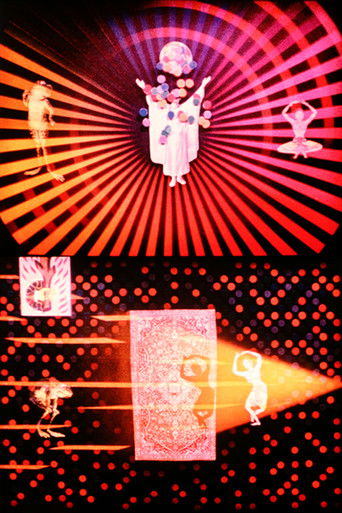
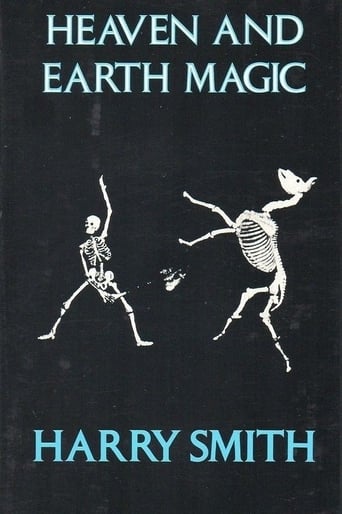
The first part depicts the heroine's toothache consequent to the loss of a very valuable watermelon, her dentistry and transportation to heaven. Next follows an elaborate exposition of the heavenly land, in terms of Israel and Montreal. The second part depicts the return to Earth from being eaten by Max Müller on the day Edward VII dedicated the Great Sewer of London.
 Number 20: Fragments of a Faith Forgotten · 1980
Number 20: Fragments of a Faith Forgotten
1980
Movie
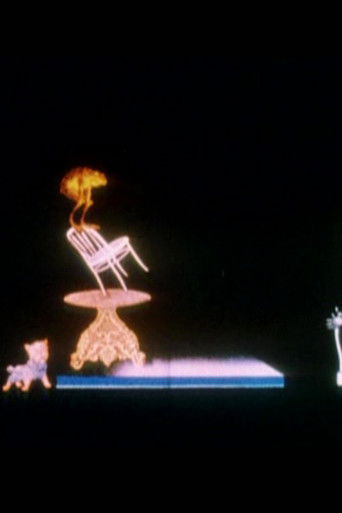
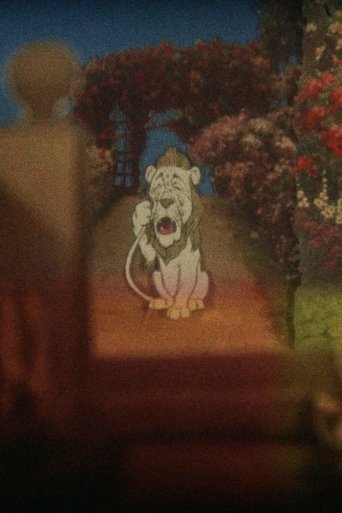
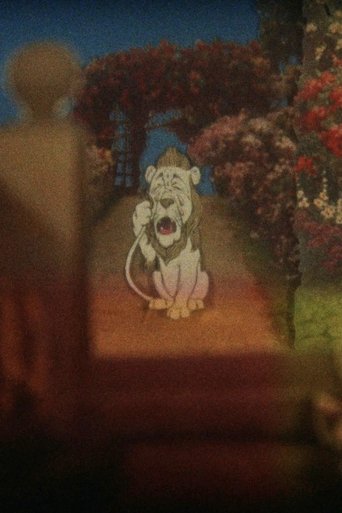
In 1980, Harry Smith combined his two Wizard of Oz-related films (FILM NO. 16 and 19) and called the new work FILM NO. 20: FRAGMENTS OF A FAITH FORGOTTEN. The film was to premiere accompanied by a live score at an Anthology fundraising event at Alice Tully Hall, but, unfortunately, the event was canceled and it never screened. – Anthology Film Archives
 No. 19 · 1980
No. 19
1980
Movie
Film No. 19
US, 1980, 35mm, 12.5 min.
 No. 2: Message From the Sun · 1947
No. 2: Message From the Sun
★ 5.81947
MovieAnimation
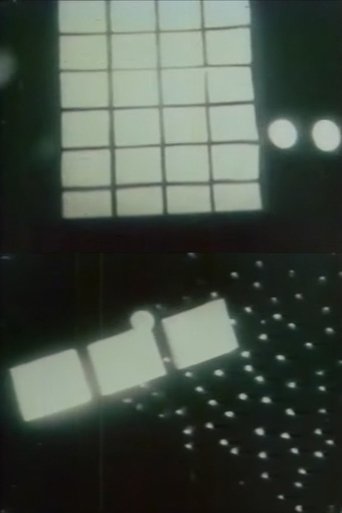
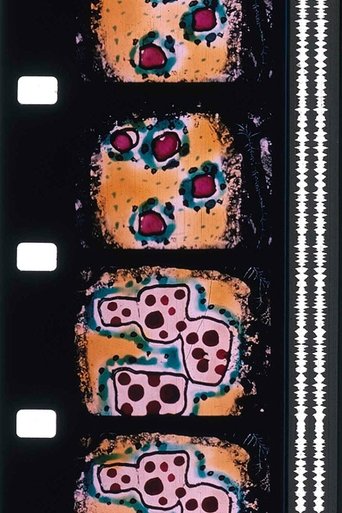
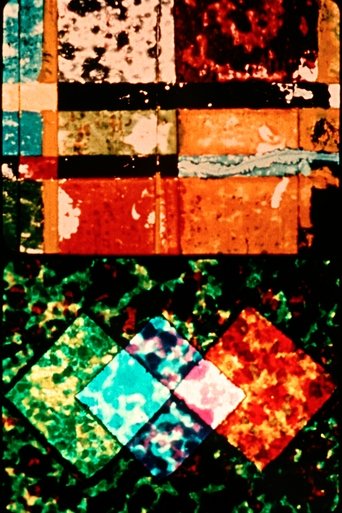
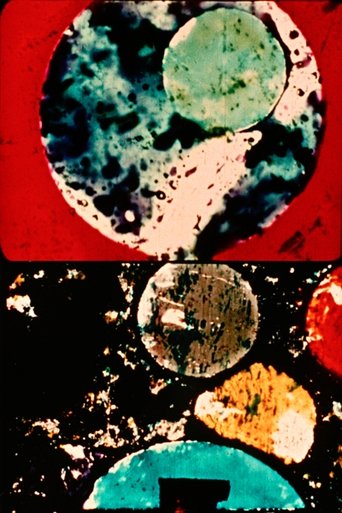
Hand-painted 35 mm stock photographed in 16 mm, color, 2:15 or 10 min. Initially intended to be screened with and synchronized to Dizzy Gillespie's Algo Bueno. This film "takes place either inside the sun or in... Switzerland" according to Smith. To produce this film he used a technique that involved cutting stickers of the type used to reinforce the holes in 3-ring binder paper. These were applied to 16 mm movie film and used like a stencil. Layers of vaseline and paint were used to color each frame in this manner. The effect is hypnotic, psychedelic and is something like a visual music.
Filmography
Sort