Listening to the Space in My Room
NR 2013 · 19 min · ★ 8.5 · Documentary
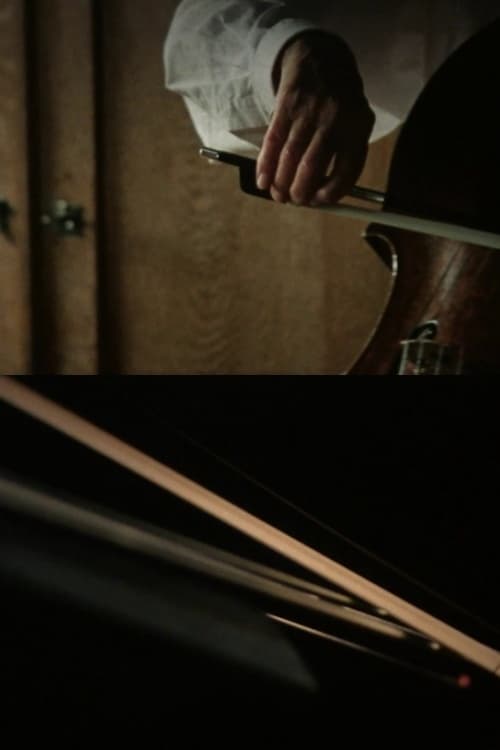
A portrait of a recently vacated home, the film evokes both memory and the lingering presence of past inhabitants. Through precise, enigmatic sound–image construction, Beavers crafts an intimate meditation on art, existence, and the search for meaning.
Directed by Robert Beavers
Your Rating
Cast
-
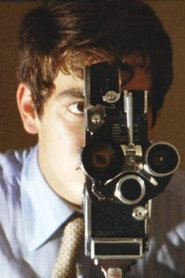 Robert Beavers Himself
Make it a double feature
52m together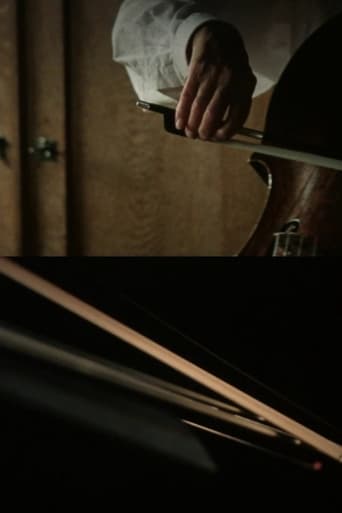
Both from Robert Beavers.
More from Robert BeaversSee all →
 Wingseed · 1985
Wingseed
★ 10.01985
MovieDocumentary
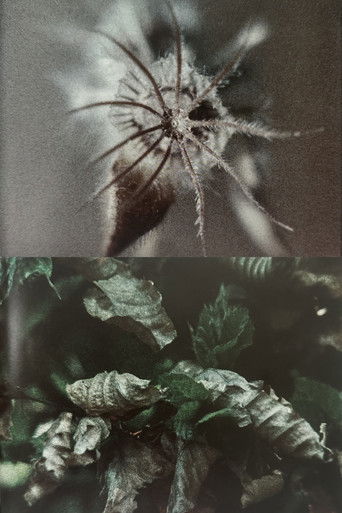
A meditation on landscape and desire, the film juxtaposes arid terrain, wild grasses, and herds of goats with the naked figure of a torso in shifting light. Shepherd’s calls, flute phrases, and the rhythm of bells echo Beavers’ quick, side-to-side camera movements, building to a vibrant visual and sonic ostinato.
 Early Monthly Segments · 2003
Early Monthly Segments
★ 8.02003
MovieDocumentary
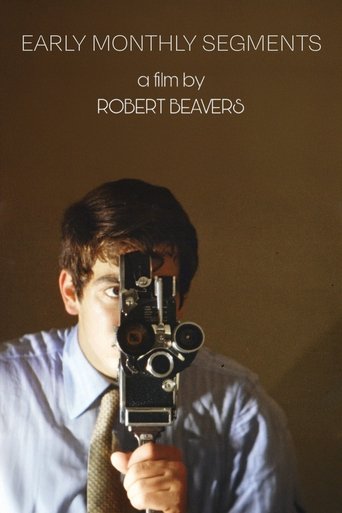
Filmed when Beavers was 18–19, this self-portrait depicts him and Gregory J. Markopoulos in their Swiss apartment. A diary of domestic life, it transforms everyday objects and intimate details into a charged meditation on love, memory, and desire.
 The Stoas · 1997
The Stoas
★ 8.01997
MovieDocumentary
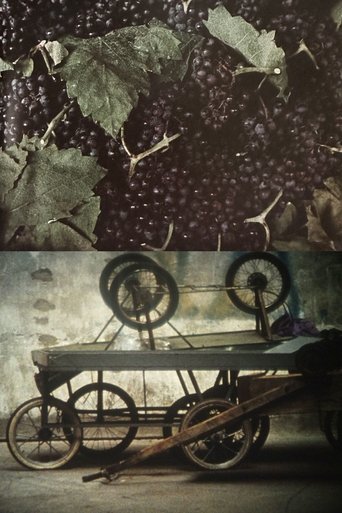
Named for the colonnades of the ancient Lyceum, the film juxtaposes industrial arcades in golden morning light with lush images of streams and wooded glens. Empty of human figures yet rich in presence, Beavers composes landscapes that evoke both 19th-century painting and a quiet sense of spiritual immanence.
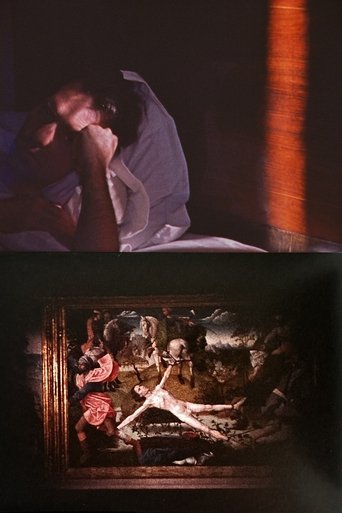 The Painting · 1972
The Painting
★ 7.01972
MovieDocumentary
Beavers intercuts scenes of traffic in Bern with details from the 15th-century altarpiece The Martyrdom of St. Hippolytus. In its revised form, the film gains a psychodramatic intensity, juxtaposing Markopoulos in shafts of light with a torn self-portrait and recurring shots of a shattered windowpane.
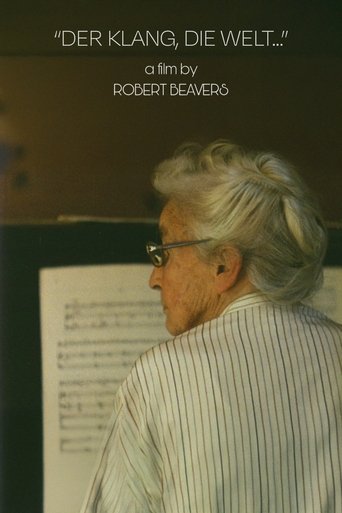 “Der Klang, die Welt…” · 2018
“Der Klang, die Welt…”
★ 7.02018
MovieDocumentary
Conceived as a gift for Cécile Staehelin after the death of her husband Dieter, the film reflects on music as both memory and philosophy. Dieter speaks about sound as harmony, proportion, and inner life, while he and Cécile are seen performing Bohuslav Martinů’s Arabesque. Beavers punctuates their playing with luminous passages of white light, shaping an intimate portrait of friendship, loss, and the transcendent reach of music.
 Plan of Brussels · 1968
Plan of Brussels
★ 7.01968
MovieDocumentary
Filmed in a Brussels hotel room, Beavers alternates between his work desk and lying nude on the bed, while rapid cuts and superimpositions conjure a rush of street scenes and fleeting encounters. The film abandons narrative for a psychic montage of memory, desire, and urban impression.
 Pitcher of Colored Light · 2007
Pitcher of Colored Light
★ 6.92007
MovieDocumentary
Filmed in his mother’s house and garden, Beavers traces shifting shadows across seasons, capturing a blend of solitude and peace. Light and shadow become passages to memory, as the film transforms walls and spaces into reflections of place, time, and inner voice.
 Sotiros · 2000
Sotiros
★ 6.82000
MovieDocumentary
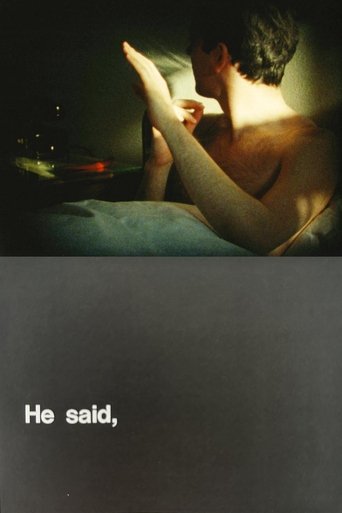
Distilled in 1996 from an earlier 50-minute trilogy, this film was shot in Greece and Austria and structured around two recurring intertitles, “He said” and “he said.” Each introduces delicate studies of light and place—hotel interiors, cafés, hillsides, storefronts, and street life—framed in parallel variations. The title invokes Apollo as savior and healer.
 The Hedge Theater · 2002
The Hedge Theater
★ 6.52002
MovieDocumentary
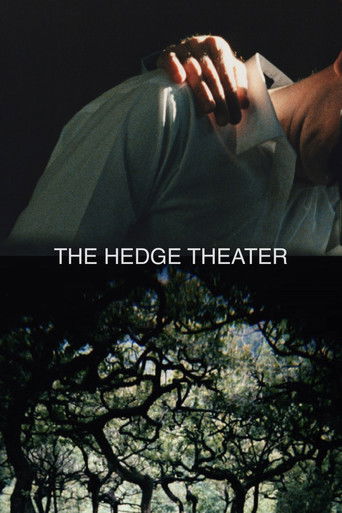
Filmed in Rome in the 1980s, the work draws on Borromini’s Baroque architecture and Il Sassetta’s St. Martin and the Beggar. Beavers contrasts winter’s subdued light with the verdant growth of spring, constructing a precise montage in which image and sound form a poetic dialogue.
 From the Notebook of... · 1972
From the Notebook of...
★ 6.31972
MovieDocumentary
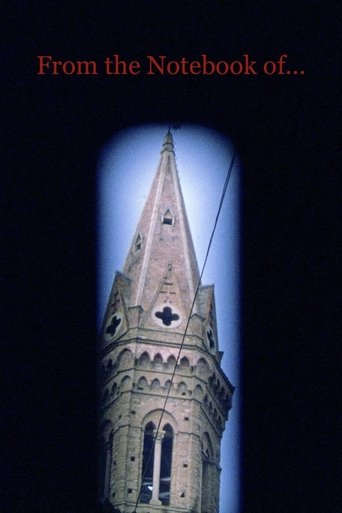
Shot in Florence, the film draws on Leonardo da Vinci’s notebooks and Paul Valéry’s essay on da Vinci’s creative process to explore parallels between Renaissance space and the moving image. Beavers employs rapid pans and tilts along the city’s facades, interspersed with glimpses of his own face, linking camera movement to the filmmaker’s investigative gaze. The work marks a turning point in his practice, foregrounding presence and perception as central to his method. (Note: The film was re-edited and re-released in 1999.)
 Amor · 1980
Amor
★ 6.21980
MovieDocumentary
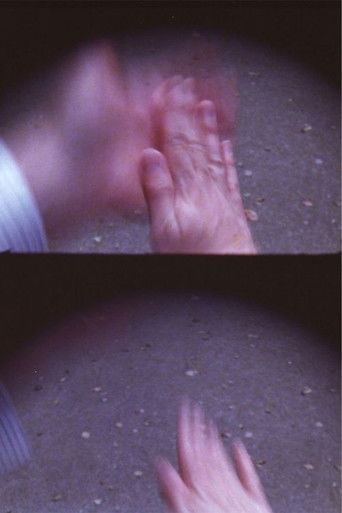
Shot in Rome and Salzburg’s natural theatre, the film uses cutting and sewing as metaphors for love, separation, and the craft of montage. Cloth being trimmed, hands clapping, and tools striking accompany images of tailoring, architectural restoration, and Beavers himself in a new suit, linking gesture and sound to the editing process.
 Ruskin · 1974
Ruskin
★ 6.21974
MovieDocumentary
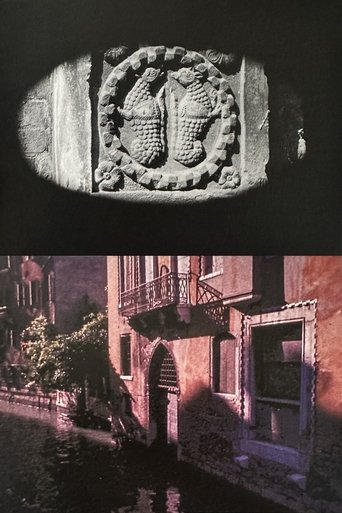
Beavers traces John Ruskin’s legacy from London to the Alps and especially Venice, where the camera lingers on stone and water in dialogue with Ruskin’s writings. Turning pages and images of Unto This Last evoke the critic’s enduring perceptions and political vision, preserved through acts of reading.
 Eros, O Basileus · 1967
Eros, O Basileus
★ 4.01967
MovieDrama
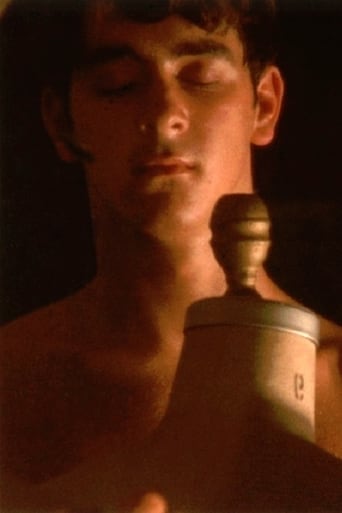
Structured in nine tableaux each a study of a simple action or situation involving a lone, naked figure, the blind Eros, searching for fulfilment, for self. The objects he touches - books, paintings - can be seen as icons of the creative spirit; there is also a motor cycle and film equipment. In succeeding scenes he appears to try on identities offered by institutional doctrines of religion and social traditions of (overt) masculinity. Much of the film was constructed in-camera with a small amount of editing afterwards. An innovation was the use of in-camera fade-outs as phrase markers, not as terminal points, within a single set-up or shot.
 Laboratorium Anthology · 1999
Laboratorium Anthology
1999
MovieDocumentary
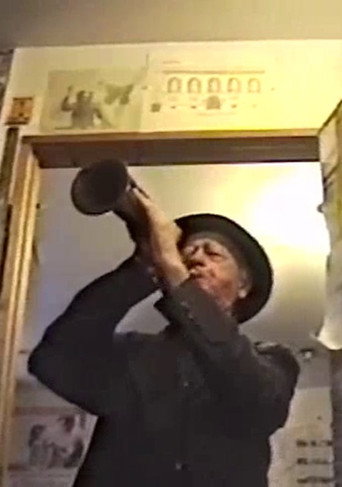
Scenes from the life and work at Anthology Film Archives. Much of the footage in this video was shot by Auguste Varkalis.
 Shared Table · 2016
Shared Table
2016
MovieDocumentary
“Last August, several filmmakers joined me to repair the splices in Markopoulos’s Eniaios. I interrupted our work for a moment; the generosity of James, Silvia, Nina, Alexandre and Julia prompted me to film them. Then I filmed James Edmonds a second time with the avocado plant that he had grown while we were working together.” (RB)
 My Hand Outstretched to the Winged Distance and Sightless Measure · 2005
My Hand Outstretched to the Winged Distance and Sightless Measure
2005
MovieDocumentary
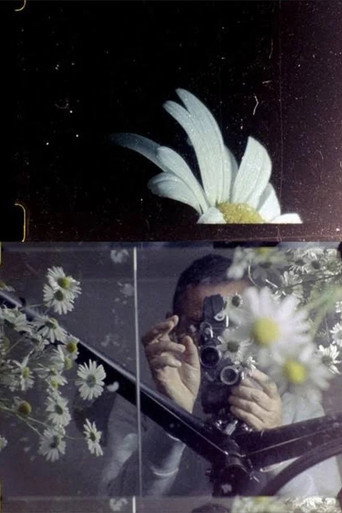
My Hand Outstretched to the Winged Distance and Sightless Measure is a film cycle by American avant-garde filmmaker Robert Beavers. It consists of eighteen films in three parts. The films were made from the late 1960s through the early 2000s in different European countries, particularly Greece, Switzerland, and Italy. Most of the works in the cycle are radically re-edited, condensed versions of the original films. The cycle premiered in its entirety in 2005.