Carmencita

Carmencita

NR 1894 · 1 min · ★ 5.2 · Documentary

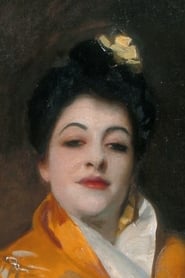
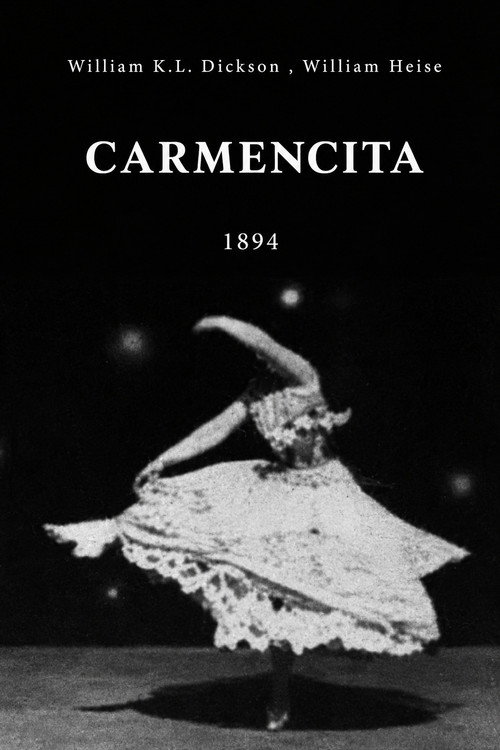
The first woman to appear in front of an Edison motion picture camera and possibly the first woman to appear in a motion picture within the United States. In the film, Carmencita is recorded going through a routine she had been performing at Koster & Bial's in New York since February 1890.

Directed by William K.L. Dickson

Your Rating

Cast

Trailers & Videos

Make it a double feature

2m together
Both from William K.L. Dickson.

More from William K.L. DicksonSee all →
Tambourine Dance by AnnabelleTambourine Dance by Annabelle · 1896
Tambourine Dance by Annabelle
★ 9.01896
MovieDocumentary
Duel to the DeathDuel to the Death · 1898
Duel to the Death
★ 7.01898
MovieAction
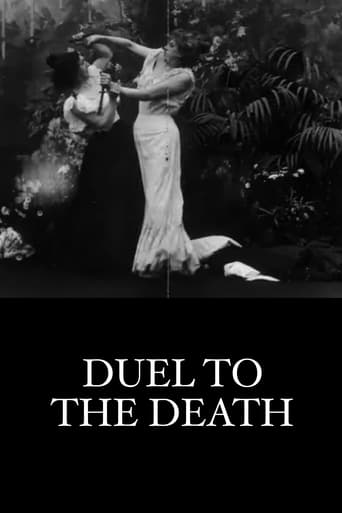
This Victorian duel between knife-wielding women was taken from an existing stage production, thought to be the Drury Lane theatre melodrama 'Women and Wine'. The actresses are believed to be Edith Blanche and Beatrice Homer.
Dickson Experimental Sound FilmDickson Experimental Sound Film · 1894
Dickson Experimental Sound Film
★ 6.11894
MovieMusic
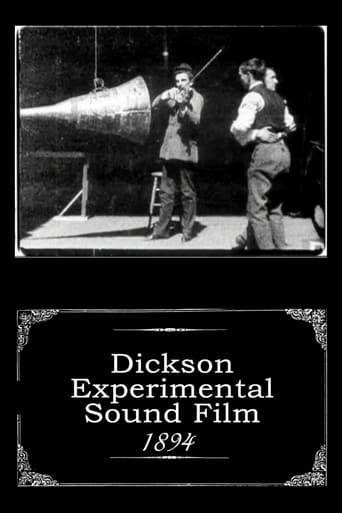
William K.L. Dickson plays the violin while two men dance. This is the oldest surviving sound film where sound is recorded on the phonograph.
Annie OakleyAnnie Oakley · 1894
Annie Oakley
★ 6.01894
MovieDocumentaryWestern
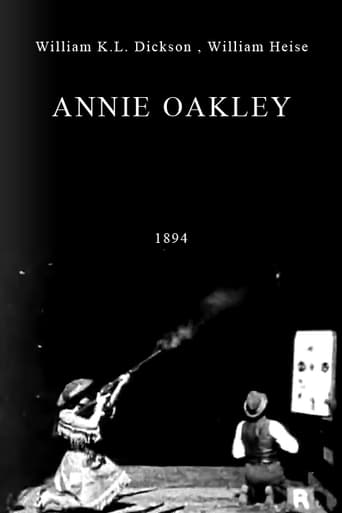
A short Edison Black Maria studio film featuring famed sharpshooter Annie Oakley, known as “Little Sure Shot.” Born Phoebe Ann Oakley Mozee in Ohio in 1860, she rose to global fame performing with Buffalo Bill’s Wild West show. Accompanied (likely) by her husband and fellow marksman Frank Butler, Oakley’s diminutive stature belied her legendary marksmanship.
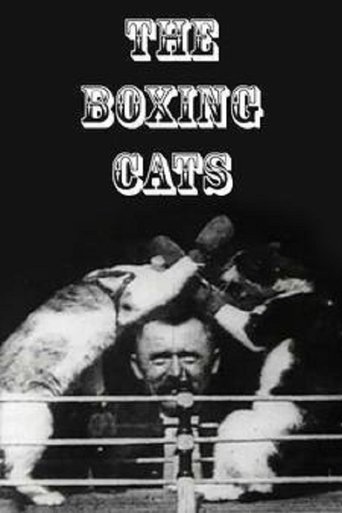
The Boxing Cats (Prof. Welton's)The Boxing Cats (Prof. Welton's) · 1894
The Boxing Cats (Prof. Welton's)
★ 5.91894
MovieDocumentaryComedy
"A glove contest between trained cats. A very comical and amusing subject, and is sure to create a great laugh." (by Edison Films)
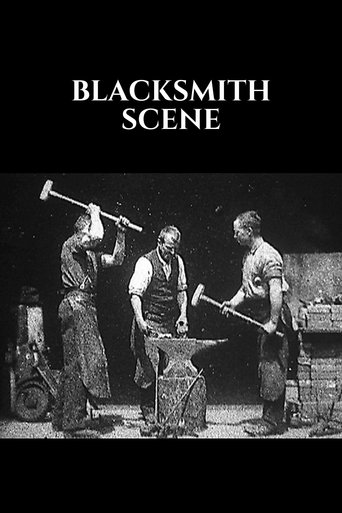
Blacksmith SceneBlacksmith Scene · 1893
Blacksmith Scene
★ 5.61893
MovieDrama
Three men hammer on an anvil and pass a bottle of beer around. Notable for being the first film in which a scene is being acted out.
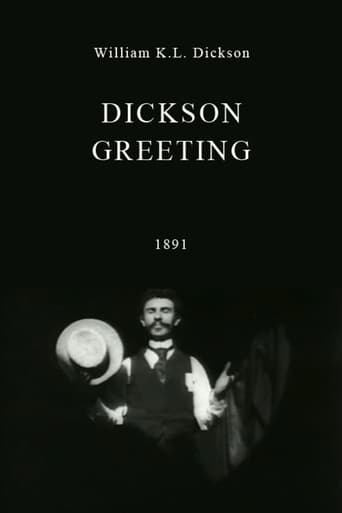
Dickson GreetingDickson Greeting · 1891
Dickson Greeting
★ 5.01891
MovieDocumentary
William K.L. Dickson brings his hat from his one hand to the other and moves his head slightly, as a small nod toward the audience. This was the first film produced by the Edison Manufacturing Company to be shown to public audiences and the press.
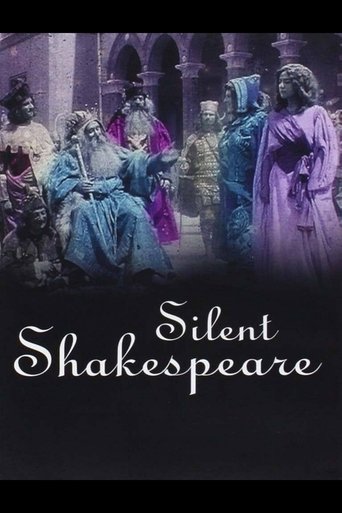
King JohnKing John · 1899
King John
★ 4.91899
MovieDrama
Based on Shakespeare's play, Act V, Scene vii: King John is in torment, and his supporters fear that his end is near. As he writhes in agony, he is attended by Prince Henry, the Earl of Pembroke, and Robert Bigot. Prince Henry tries repeatedly to comfort his delirious father, but to no avail - John's pain is too great.
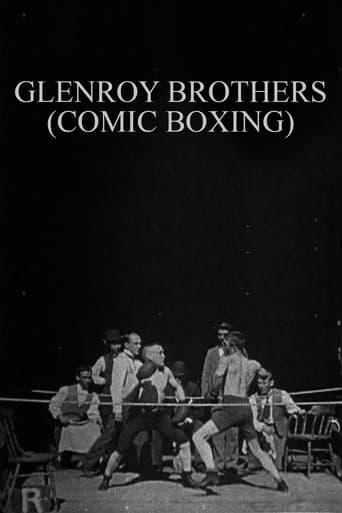
Glenroy Brothers (Comic Boxing)Glenroy Brothers (Comic Boxing) · 1894
Glenroy Brothers (Comic Boxing)
★ 4.91894
MovieDocumentaryComedy
The Glenroy Brothers perform a portion of their vaudeville act, "The Comic View of Boxing: The Tramp & the Athlete", which depicts a boxer with a classic style trying to contend with an opponent who uses a very unorthodox approach.
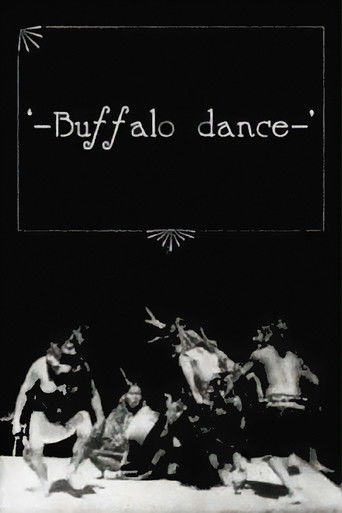
Buffalo DanceBuffalo Dance · 1894
Buffalo Dance
★ 4.81894
MovieDocumentaryWestern
Long before Hollywood started painting white men red and dressing them as 'Injuns' Edison's company was using the genuine article! Featuring for what is believed to be the Native Americans first appearance before a motion picture camera 'Buffalo Dance' features genuine members of the Sioux Tribe dressed in full war paint and costume! The dancers are believed to be veteran members of Buffalo Bill's Wild West Show. Filmed again at the Black Maria studios by both Dickson and Heise the 'Buffalo Dance' warriors were named as Hair Coat, Parts His Hair and Last Horse. Its quite strange seeing these movies at first they all stand around waiting to begin and as they start some of the dancers look at the camera in an almost sad way at having lost their way of life.
Corbett and Courtney Before the KinetographCorbett and Courtney Before the Kinetograph · 1894
Corbett and Courtney Before the Kinetograph
★ 4.81894
MovieDocumentary
This fight consists of six rounds, each round on a film 150 feet long. It's an actual contest between James J. Corbett, former champion of the world, and Peter Courtney. The films are listed as "1st Round", "2nd Round", "3rd Round", "4th Round", "5th Round", and "6th Round".
The Hornbacker-Murphy FightThe Hornbacker-Murphy Fight · 1894
The Hornbacker-Murphy Fight
★ 4.71894
MovieActionComedy
A referee and five fans (including a waiter in his apron) look on as two young men box. The dark-haired, slightly taller boxer throws a right and the light-haired smaller one goes down; but he's up before the referee starts counting. After the knockdown, the boxers mostly hit each other's gloves. The fans, at least one of whom is sitting inside the ring, show no animation. They're all men, dressed in a range of late 19th-century garb.
Bucking BronchoBucking Broncho · 1894
Bucking Broncho
★ 4.51894
MovieDocumentaryWestern
Lee Martin, one of the cowboy stars in 'Buffalo Bill's Wild West', rides a bronco as a crowd looks on. While the horse is trying to throw Martin off its back, another cowboy stands on top of a fence rail and occasionally fires his six-shooter, to spur on both horse and rider.
Rip's Twenty Years' SleepRip's Twenty Years' Sleep · 1896
Rip's Twenty Years' Sleep
★ 4.41896
Movie
Rip Meeting the DwarfRip Meeting the Dwarf · 1896
Rip Meeting the Dwarf
★ 4.41896
Movie
Rip Leaving Sleepy HollowRip Leaving Sleepy Hollow · 1896
Rip Leaving Sleepy Hollow
★ 4.41896
Movie

More Like This

The Arrival of a Train at La CiotatThe Arrival of a Train at La Ciotat · 1896
The Arrival of a Train at La Ciotat
★ 7.11896
MovieHistoryDocumentary
A group of people are standing along the platform of a railway station in La Ciotat, waiting for a train. One is seen coming, at some distance, and eventually stops at the platform. Doors of the railway-cars open and attendants help passengers off and on. Popular legend has it that, when this film was shown, the first-night audience fled the café in terror, fearing being run over by the "approaching" train. This legend has since been identified as promotional embellishment, though there is evidence to suggest that people were astounded at the capabilities of the Lumières' cinématographe.
Berlin: Symphony of a Great CityBerlin: Symphony of a Great City · 1927
Berlin: Symphony of a Great City
★ 7.51927
MovieDocumentary
A day in the city of Berlin, which experienced an industrial boom in the 1920s, and still provides an insight into the living and working conditions at that time. Germany had just recovered a little from the worst consequences of the First World War, the great economic crisis was still a few years away and Hitler was not yet an issue at the time.
Nanook of the NorthNanook of the North · 1922
Nanook of the North
★ 7.11922
MovieDocumentaryDrama
This pioneering documentary film depicts the lives of the indigenous Inuit people of Canada's northern Quebec region. Although the production contains some fictional elements, it vividly shows how its resourceful subjects survive in such a harsh climate, revealing how they construct their igloo homes and find food by hunting and fishing. The film also captures the beautiful, if unforgiving, frozen landscape of the Great White North, far removed from conventional civilization.
Workers Leaving the Lumière FactoryWorkers Leaving the Lumière Factory · 1895
Workers Leaving the Lumière Factory
★ 6.71895
MovieHistoryDocumentary
Working men and women leave through the main gate of the Lumière factory in Lyon, France. Filmed on 22 March 1895, it is often referred to as the first real motion picture ever made, although Louis Le Prince's 1888 Roundhay Garden Scene pre-dated it by seven years. Three separate versions of this film exist, which differ from one another in numerous ways. The first version features a carriage drawn by one horse, while in the second version the carriage is drawn by two horses, and there is no carriage at all in the third version. The clothing style is also different between the three versions, demonstrating the different seasons in which each was filmed. This film was made in the 35 mm format with an aspect ratio of 1.33:1, and at a speed of 16 frames per second. At that rate, the 17 meters of film length provided a duration of 46 seconds, holding a total of 800 frames.

Rate this film

Your ratings make Midnight smarter