Directing
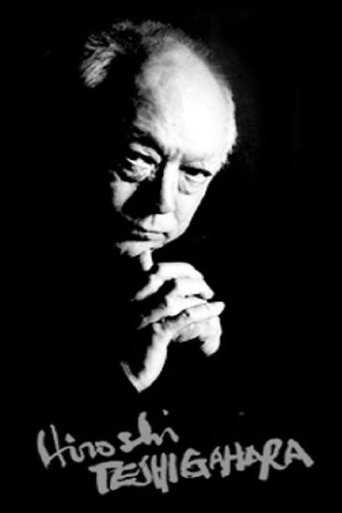
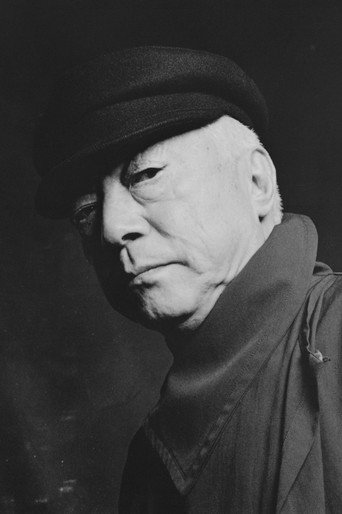
Hiroshi Teshigahara
Born January 28, 1927 · Chiyoda, Tokyo, Japan
Died April 14, 2001 · aged 74
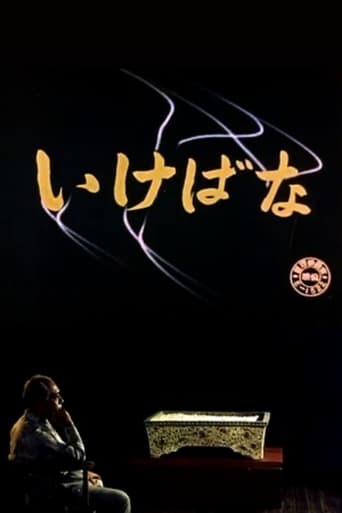
Hiroshi Teshigahara (January 28, 1927 – April 14, 2001) was an avant-garde Japanese filmmaker. He was born in Tokyo, son of Sofu Teshigahara, founder and grand master of the Sogetsu School of ikebana. He graduated in 1950 from the Tokyo National University of Fine Arts and Music and began working in documentary film. He directed his first feature film, Pitfall (1962), in collaboration with author…
Known For
 Woman in the Dunes · 1964
Woman in the Dunes
★ 8.21964
MovieDramaThriller
A vacationing entomologist suffers extreme physical and psychological trauma after being taken captive by the residents of a poor seaside village and made to live with a woman whose life task is shoveling sand for them.
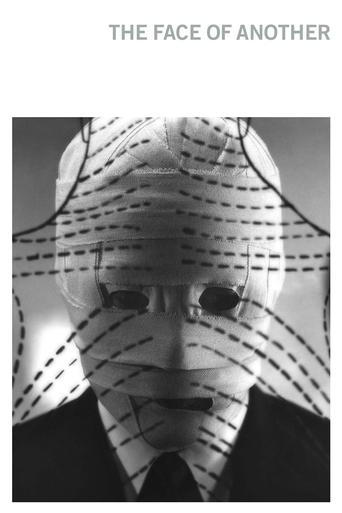 The Face of Another · 1966
The Face of Another
★ 7.81966
MovieDramaScience Fiction
A businessman with a disfigured face obtains a lifelike mask from his new doctor, but the mask starts altering his personality and causing him to question his identity.
 Rikyu · 1989
Rikyu
★ 7.51989
MovieDrama
Late in the 1500s, an aging tea master teaches the way of tea to a headstrong Shogun. Through force of will and courageous fighting, Hideyoshi becomes Japan’s most powerful warlord, unifying the country.
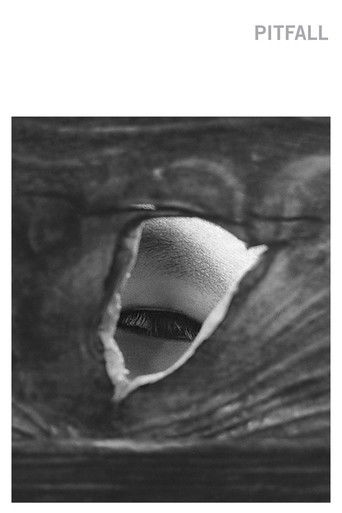 Pitfall · 1962
Pitfall
★ 7.31962
MovieMysteryFantasy
A man wanders into a seemingly deserted town with his young son in search of work. But after a bit of bad luck, he joins the town's population of lost souls.
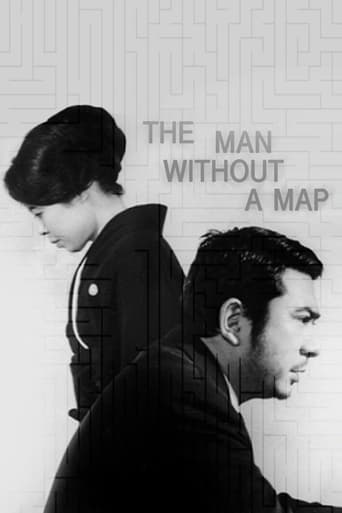 The Man Without a Map · 1968
The Man Without a Map
★ 6.71968
MovieMystery
A private detective is hired to find a missing man by his wife. While his search is unsuccessful, the detective's own life begins to resemble the man for whom he is searching.
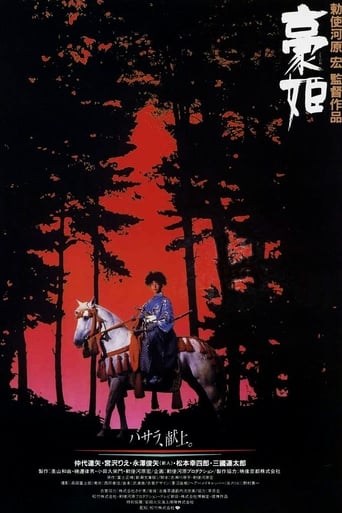 Basara: The Princess Goh · 1992
Basara: The Princess Goh
★ 7.01992
MovieHistoryDrama
Furuta Oribe is ordered to become tea master under Toyotomi Hideyoshi after his teacher Sen no Rikyū, the former tea master, was ordered to commit suicide. Princess Goh, daughter of the lord but adopted by Hideyoshi, is outraged when Rikyū's severed head is thrown in the Nijo River. She sends Usu, Oribe's servant, to retrieve the head and deliver it to Rikyū's adopted daughter.
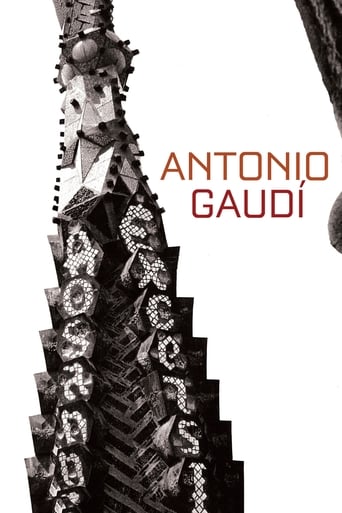 Antonio Gaudí · 1984
Antonio Gaudí
★ 7.11984
MovieDocumentary
Catalan architect Antonio Gaudí (1852-1926) designed some of the world's most astonishing buildings, interiors, and parks; Japanese director Hiroshi Teshigahara constructed some of the most aesthetically audacious films ever made. With camera work as bold and sensual as the curves of his subject's organic structures, Teshigahara immortalizes Gaudí on film.
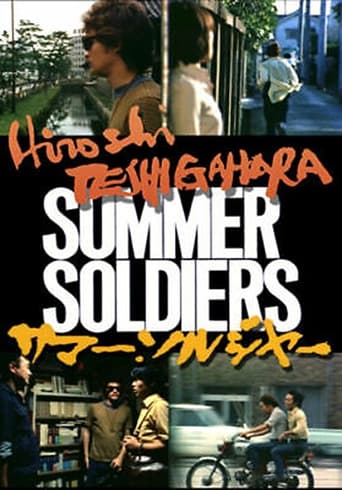 Summer Soldiers · 1972
Summer Soldiers
★ 6.71972
MovieDramaWar
During the Vietnam War, an American G.I. deserts his base in Japan and escapes to Tokyo with the help of his Japanese bar hostess girlfriend. In the capital he gets involved with an anti-war organization while dodging the military police.
Filmography
Sort