Acting
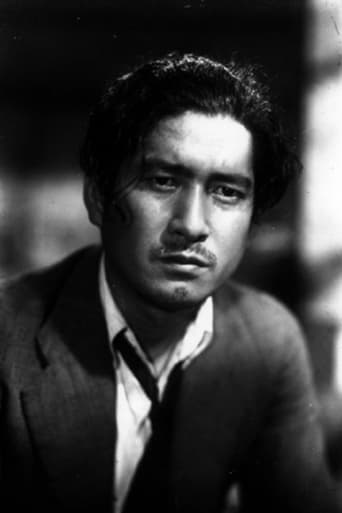
Shūji Sano
Born October 20, 1912 · Tokyo, Japan
Died December 21, 1978 · aged 66
Shūji Sano (October 10, 1912 – December 21, 1978) was a Japanese actor active from 1936 to 1977. A popular star of the Shōchiku film studios, he is best known for his appearances in the films of Yasujirō Ozu, Keisuke Kinoshita, Heinosuke Gosho, and Hiroshi Shimizu.
Known For
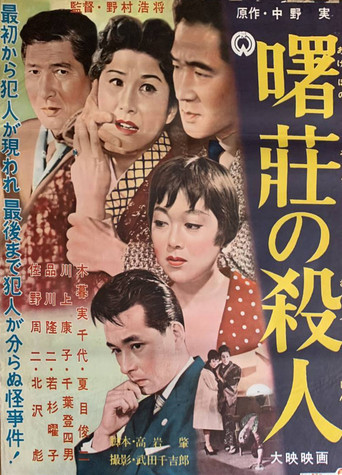 Akebono sō no satsujin · 1957
Akebono sō no satsujin
1957
MovieMystery
A body is found poisoned in a room of a luxury apartment late at night and a beautiful mother turns herself in to protect her rebellious daughter.
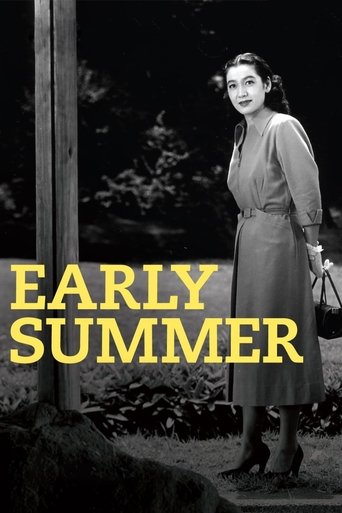 Early Summer · 1951
Early Summer
★ 7.91951
MovieDrama
In postwar Tokyo, Noriko lives with her extended family. Although she enjoys her career and her social life, her more traditional family worries about her single marital status at the advanced age of 28. 40-year-old business associate Takako proposes, Noriko's family press her into accepting, but when her widowed childhood friend Kenkichi returns to the neighborhood, she finds her heart leading in another direction.
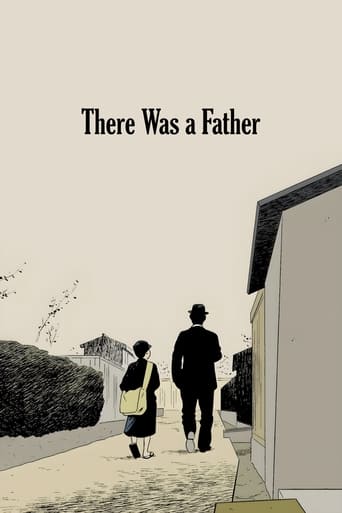 There Was a Father · 1942
There Was a Father
★ 7.01942
MovieDrama
Shuhei Horikawa, a poor schoolteacher, struggles to raise his son Ryohei by himself, despite neither money nor prospects.
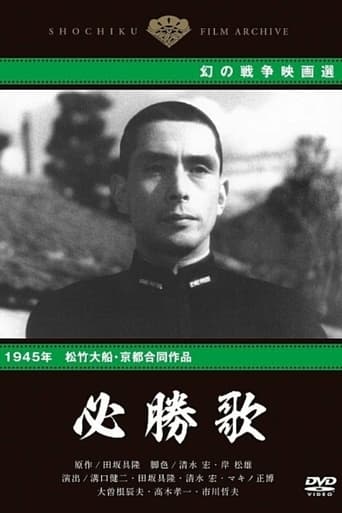
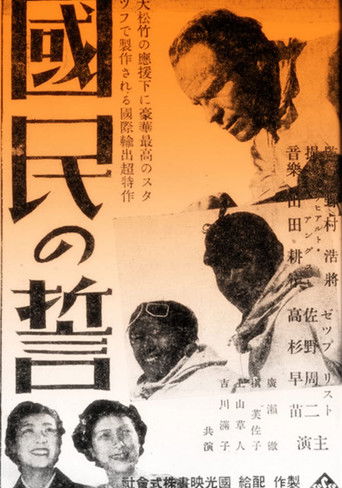 Kokumin no chikai · 1938
Kokumin no chikai
★ 8.01938
Movie
This film was mainly shot in the Japanese skiing resort Hokkaido in 1937-38 and was intended to create support for the coming winter olympics of 1940 in Japan which however were cancelled because of the Japanese-Chinese war. A Japanese production, it was nevertheless made with German involvement in the form of skiing champion Sepp Rist and celebrated cinematographer Richard Angst (who also contributed to the script). Both had regularly worked with the inventor of the mountain film genre, Dr. Arnold Fanck, who had helmed the German-Japanese co-production "Die Tochter des Samurai", also shot by Angst, the year before. Angst apparently stayed in Japan until mid-1939 when he returned to Germany, carrying this film with him. Angst submitted it to the German censors later that year, but for reasons unknown to me it took three more years before the film was finally shown in Germany under the name "Das heilige Ziel" (The Holy Aim). (Karargara)
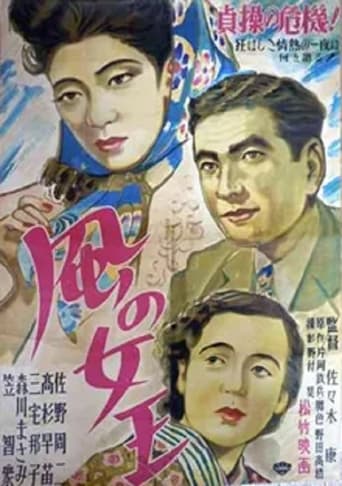
 A Hen in the Wind · 1948
A Hen in the Wind
★ 7.11948
MovieDrama
Tokiko patiently awaits her husband's return from WWII when her four-year old son falls ill. She takes him to the doctor but has no means of paying, so she resorts to prostitution. A month later, her husband returns to find his desperate wife, who tells him the truth. Together, they must deal with the consequences.
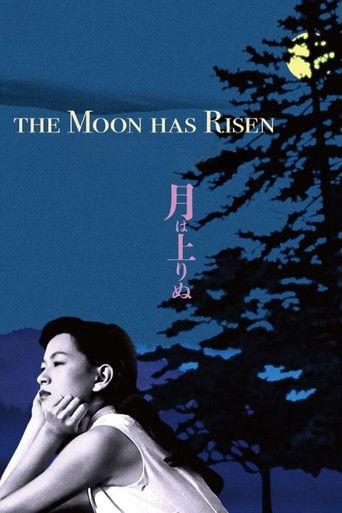 The Moon Has Risen · 1955
The Moon Has Risen
★ 6.91955
MovieDramaRomance
Mokichi Asai is a widowed father living in Nara with three daughters—Chizuru, Ayako, and Setsuko. The youngest, Setsuko, plays matchmaker for her older sisters, leading to humorous and awkward romantic entanglements.
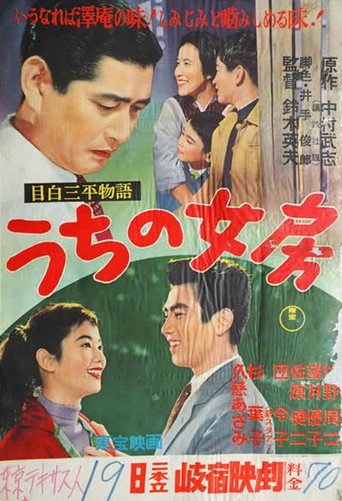
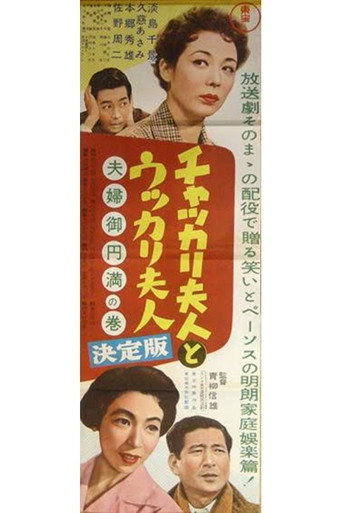 Careful Wife and Careless Wife: A Peaceful Couple · 1956
Careful Wife and Careless Wife: A Peaceful Couple
1956
MovieComedyDrama
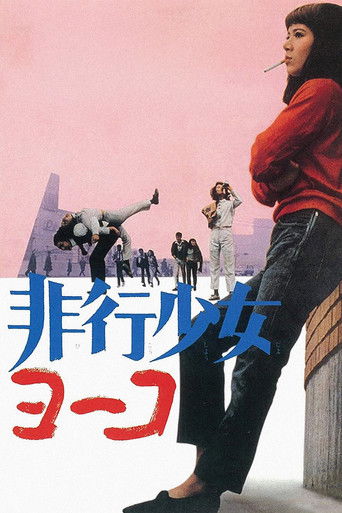 Pretty Devil Yoko · 1966
Pretty Devil Yoko
★ 3.31966
MovieDramaCrime
Easily bored, but still innocent and naive countryside girl discovers partying in Tokyo is a ton of fun. Yakuza-to-be is an acquaintance who tries to rape her, and the typically bland but very-good-here the first boyfriend.
Filmography
Sort