Directing
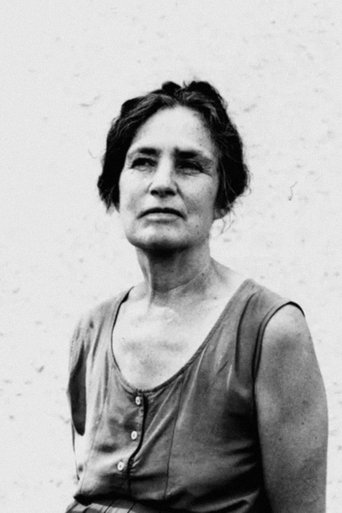
Danièle Huillet
Born May 1, 1936 · Paris, France
Died October 9, 2006 · aged 70
Danièle Huillet was born on May 1, 1936 in Paris, France. She was a director and editor, known for Sicily! (1999), Class Relations (1984) and The Chronicle of Anna Magdalena Bach (1968). She was married to Jean-Marie Straub. She died on October 9, 2006 in Cholet, Maine-et-Loire, France.
Known For
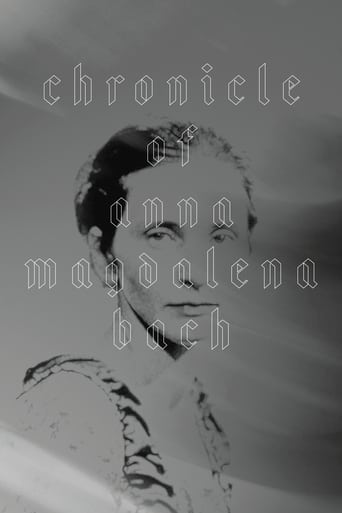 Chronicle of Anna Magdalena Bach · 1968
Chronicle of Anna Magdalena Bach
★ 6.31968
MovieMusicDrama
The life and music of Johann Sebastian Bach as presented by his wife, Anna.
 Humiliated · 2003
Humiliated
2003
MovieDrama
Excerpts from the novel Donna di Messina (1949 and 1964, 1967) by Elio Vittorini (1908-1966).
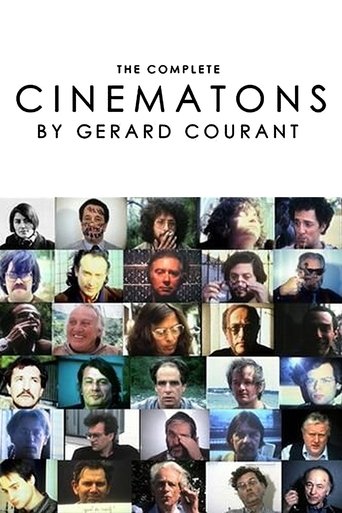 Cinématon · 1978
Cinématon
★ 4.91978
MovieDocumentary
Cinématon is a 156-hour long experimental film by French director Gérard Courant. It was the longest film ever released until 2011. Composed over 36 years from 1978 until 2006, it consists of a series of over 2,821 silent vignettes (cinématons), each 3 minutes and 25 seconds long, of various celebrities, artists, journalists and friends of the director, each doing whatever they want for the allotted time. Subjects of the film include directors Barbet Schroeder, Nagisa Oshima, Volker Schlöndorff, Ken Loach, Benjamin Cuq, Youssef Chahine, Wim Wenders, Joseph Losey, Jean-Luc Godard, Samuel Fuller and Terry Gilliam, chess grandmaster Joël Lautier, and actors Roberto Benigni, Stéphane Audran, Julie Delpy and Lesley Chatterley. Gilliam is featured eating a 100-franc note, while Fuller smokes a cigar. Courant's favourite subject was a 7-month-old baby. The film was screened in its then-entirety in Avignon in November 2009 and was screened in Redondo Beach, CA on April 9, 2010.
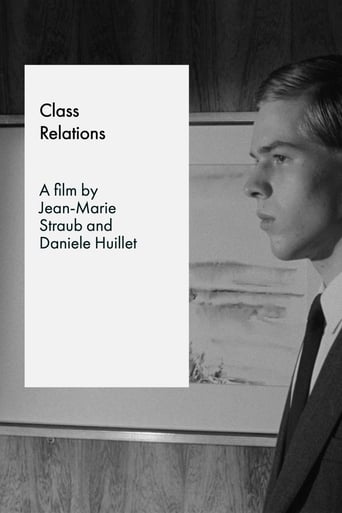 Class Relations · 1984
Class Relations
★ 6.81984
MovieDrama
A young man, recently arrived in New York from Europe, becomes swept up in a series of events that are beyond his knowledge or control.
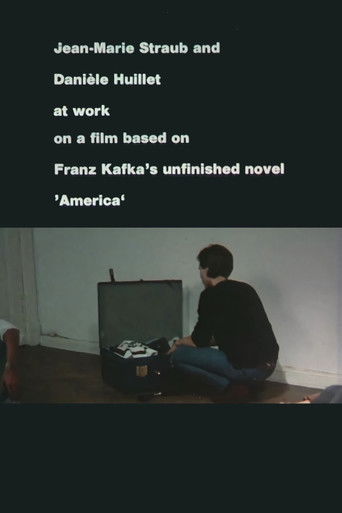 Jean-Marie Straub and Danièle Huillet at Work on a Film Based on Franz Kafka’s Amerika · 1983
Jean-Marie Straub and Danièle Huillet at Work on a Film Based on Franz Kafka’s Amerika
★ 6.41983
MovieDocumentary
This film is at once a self-portrait and an homage to Jean-Marie Straub, Farocki's role model and former teacher at the Film Academy.
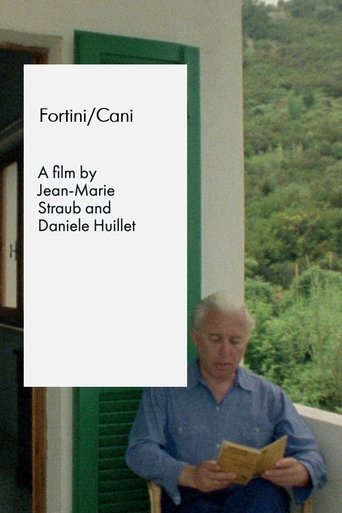 Fortini/Cani · 1977
Fortini/Cani
★ 5.71977
MovieDocumentary
The film is a sort of presentation of Franco Fortini's book 'I Cani del Sinai'. Fortini, an Italian Jew, reads excerpts from the book about his alienation from Judaism and from the social relations around him, the rise of Fascism in Italy, the anti-Arab attitude of European culture. The images, mostly a series of Italian landscape shots, provide a backdrop that highlights the meaning of the text. - Fabrizio Sabidussi
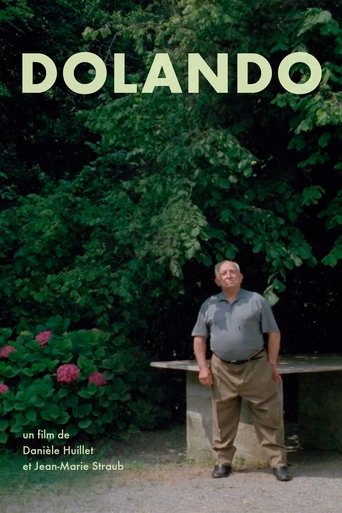 Dolando · 2002
Dolando
2002
MovieDocumentary
"At the end of filming Umiliati, Straub and Huillet gave thanks to the cast and crew in a graceful way: by inviting Dolando Bernardini to sing several stanzas from Torquato Tasso’s 16th-century epic poem Jerusalem Delivered." - MoMA
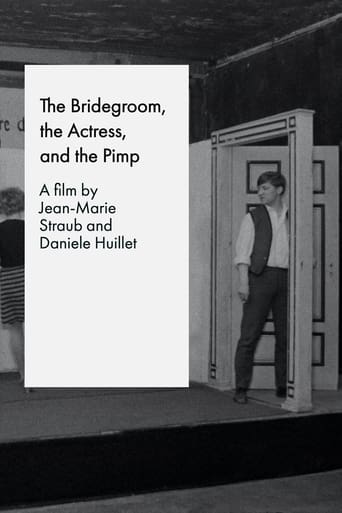 The Bridegroom, the Actress, and the Pimp · 1968
The Bridegroom, the Actress, and the Pimp
★ 4.51968
MovieDramaRomance
Three sequences are linked together in this short film by Straub; the first sequence is a long tracking shot from a car of prostitutes plying their trade on the night-time streets of Germany; the second is a staged play, cut down to 10 minutes by Straub and photographed in a single take; the final sequence covers the marriage of James and Lilith, and Lilith’s subsequent execution of her pimp, played by Rainer Werner Fassbinder. "The film is a look entirely at Western decadence" - Jean-Marie Straub.
Filmography
Sort