M
Directing
Mike Dibb
Mike Dibb (born Wharfedale, Bradford, West Yorkshire, 29 April 1940) is an English documentary filmmaker. In almost half a century of making films mainly for television – on subjects including cinema, literature, art, jazz, sport and popular culture – "he has defined and re-defined not only the televisual art documentary genre but has been able to make moving image pieces as a form of self portra…
Known For
 About Time · 1985
About Time
★ 5.51985
MovieDocumentaryTV Movie
Film Essay based on “And Our Faces, My Heart, Brief As Photos” by John Berger.
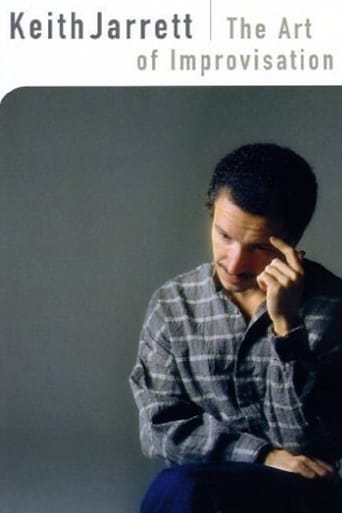 Keith Jarrett: The Art of Improvisation · 2004
Keith Jarrett: The Art of Improvisation
★ 3.82004
MovieMusicDocumentary
A documentary portrait of one of the world's superstars of Jazz, pianist Keith Jarrett, exploring his life and work.
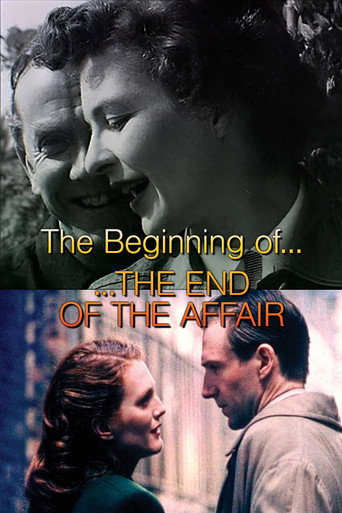 The Beginning of the End of the Affair · 2000
The Beginning of the End of the Affair
2000
MovieDocumentary
Oliver Walston investigates his mother Catherine's 20-year relationship with the writer Graham Greene, which gave rise to Greene's famous novel The End of the Affair, twice adapted as a feature film. The documentary follows the second film during its production, where screenwriter/director Neil Jordan and stars Ralph Fiennes and Julianne Moore offer their personal perspectives on the novel's continuing resonance.
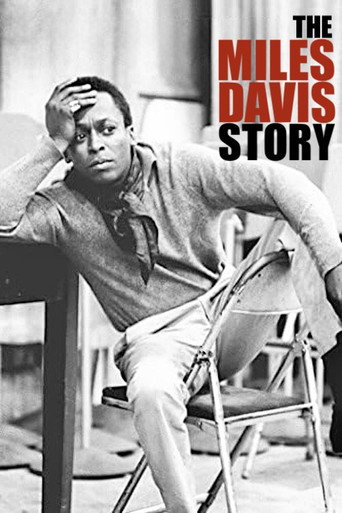 The Miles Davis Story · 2001
The Miles Davis Story
★ 7.02001
MovieDocumentaryMusic
This British documentary shows the complex layers of legendary jazz trumpeter Miles Davis, who was a major innovator in post-bop, cool jazz, hard-bop and fusion. Davis's raw-edged trumpet tones were some of the most evocative sounds ever heard. This profile captues the magnificent and mercurial artist -- one of the most identifiable and misunderstood pop icons of the 20th century -- through rare footage and interviews.
 Typically British: A Personal History of British Cinema · 1995
Typically British: A Personal History of British Cinema
★ 7.21995
MovieDocumentary
Stephen Frears and a quartet of film industry notables - representing different cinematic periods - drink tea and discuss ups and downs of British cinema.
 Kirk Douglas · 1972
Kirk Douglas
1972
Movie
Talking with Michael Parkinson and members of the audience at the National Film Theatre, London. An informal discussion illustrated with extracts from some of his most famous films: Champion (1949), Ace in the Hole (1951), Paths of Glory (1958), Lonely are the Brave (1962), In Harm's Way (1965), The Arrangement (1970).
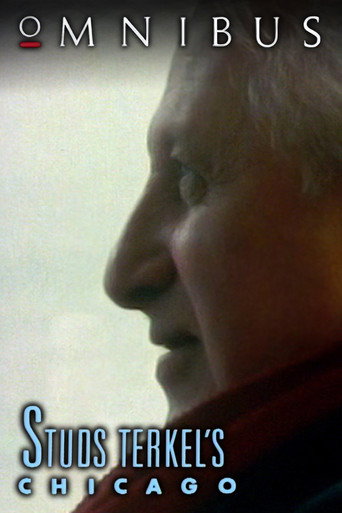 Studs Terkel's Chicago · 1985
Studs Terkel's Chicago
1985
MovieDocumentary
This documentary features acclaimed Chicagoan broadcaster and Pulitzer Prize winner Studs Terkel talking about the value of oral history and the voice of ordinary working Americans.
 A Telling Eye: The Work of John Berger · 1994
A Telling Eye: The Work of John Berger
1994
MovieDocumentary
The rarely-seen 1994 BBC TV documentary on the legacy and influence of John Berger, featuring interviews with Alain Tanner, Geoff Dyer, Jean Mohr, Ernst Neizvestny and many more.
Filmography
Sort