Directing
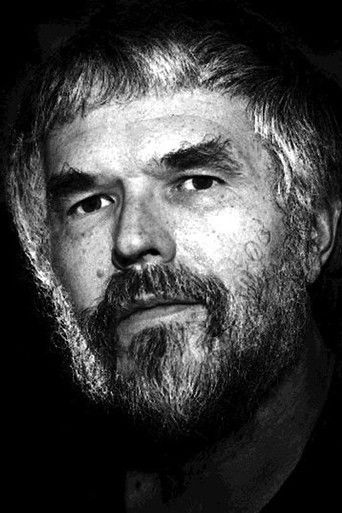
Stan Brakhage
Born January 14, 1933 · Kansas City, Missouri, USA
Died March 9, 2003 · aged 70
Stan Brakhage (January 14, 1933 - March 9, 2003) is one of the most influential filmmakers in American avant-garde cinema, noted for his unflinching social commentaries and technical innovations. Over his nearly 40-year career, he has made over 200 films of varying length. He made his first film, Interim (1952) at age 18 after dropping out of college. Brakhage films seek to change the way we see. …
Known For
 23rd Psalm Branch: Part I · 1967
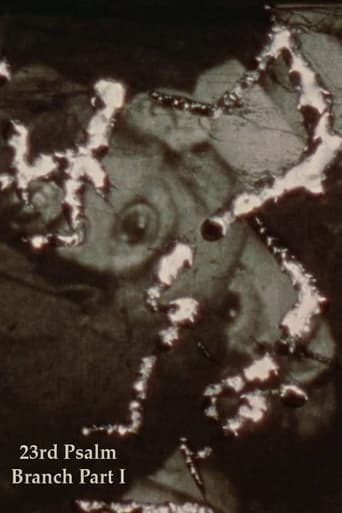
23rd Psalm Branch: Part I
★ 6.21967
Movie
In this haunting but lyrical meditation on war, Brakhage intercuts 8-mm footage of Colorado with imagery from WWII newsreels. He responds to the violence and nightmare of war by painting directly on the filmstrip.
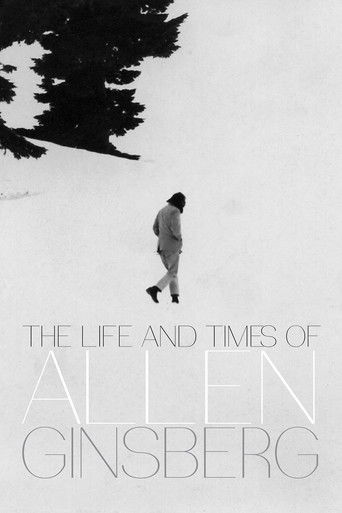 The Life and Times of Allen Ginsberg · 1994
The Life and Times of Allen Ginsberg
★ 5.71994
MovieDocumentary
Visionary, radical, spiritual seeker, renowned poet, founding member of a major literary movement, champion of human rights, Buddhist, political activist and teacher. Extensive archival footage, interviews, and home movies cover Allen Ginsberg's life, activism, and influence on American culture through the Beat era, the 1960s, and beyond.
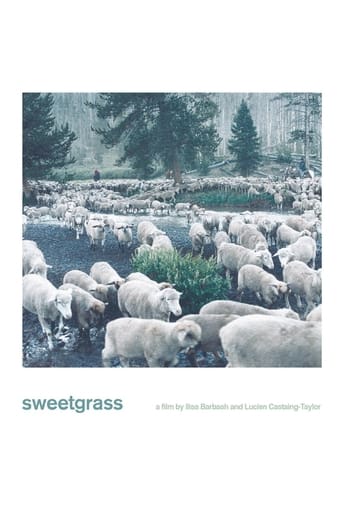 Sweetgrass · 2009
Sweetgrass
★ 6.72009
MovieDocumentary
An unsentimental elegy to the American West, Sweetgrass follows the last modern-day cowboys to lead their flocks of sheep up into Montana's breathtaking and often dangerous Absaroka-Beartooth mountains for summer pasture, revealing a world in which nature and culture, animals and humans, vulnerability and violence are all intimately meshed.
 20 Little Films · 2012
20 Little Films
★ 6.02012
MovieDocumentary
Since 1995, the Viennale has invited renowned directors to create short, one-minute films as personal contributions to the festival. Ranging from home movies to political essays, musical sketches to abstract studies, these “little films” form a unique anthology of cinematic moments. 20 Little Films collects a selection of these works, premiering together for the Viennale’s 50th anniversary at the Locarno Film Festival.
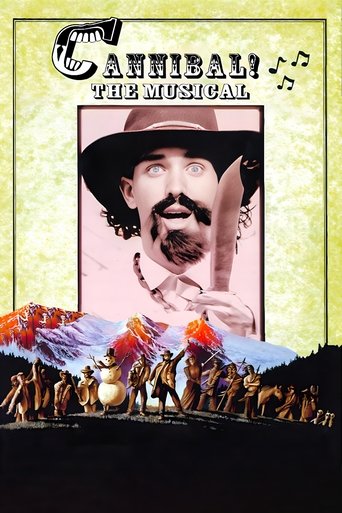 Cannibal! The Musical · 1996
Cannibal! The Musical
★ 6.41996
MovieComedyWestern
Heading through Colorado Territory in search of gold and women, Alferd Packer and his group of bemused companions find themselves lost, starving and musically inspired by the obstacles they confront along the way, including a die-hard Confederate cyclops, a trio of surly trappers, a tribe of Japanese-speaking "Indians," and ultimately, each other.
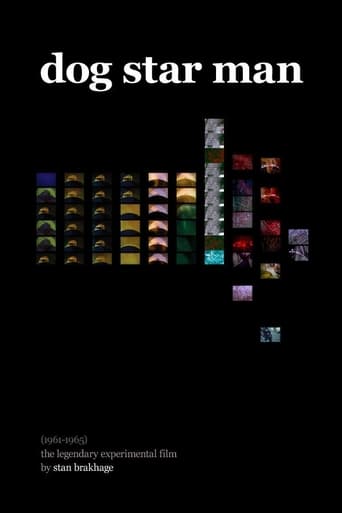 Dog Star Man · 1965
Dog Star Man
★ 6.41965
MovieFantasy
Described as a "cosmological epic" and "creation myth", Dog Star Man illustrates the odyssey of a bearded woodsman climbing through a snow-covered mountain with his dog to chop down a tree. While doing so, he witnesses various mystical visions with various recurring imagery such as a woman, child, nature, and the cosmos while making his ascent.
 Faust 3: Candida Albacore · 1988
Faust 3: Candida Albacore
★ 6.51988
Movie
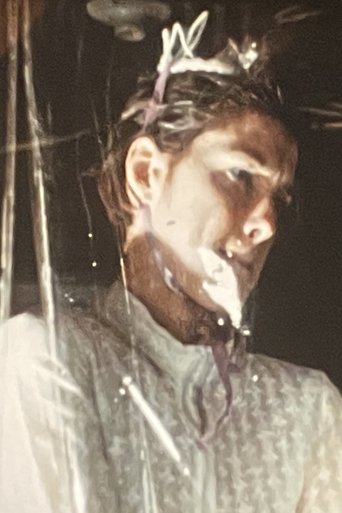
Just as the word Idyll of Faust's Part 2 is rooted in the Greek idein/to see, so is "candida" in candidatus, as used in the white robed army of martyrs' of the Te Deum, as well as Albicare/to be white or Albicore out of the Portuguese (or Arabic origin) designating a kind of tunny (or white man): thus, Faust's 3 is white/white as well as (from sugar's white) candy, and fish: it is the modern Walpurgisnacht to Faust, but the day-dream of his Emily: it exists that a woman has, finally, something of her ritual included in the myth of Faust..... and that muthos/mouth become a vision.
 The Act of Seeing with One's Own Eyes · 1972
The Act of Seeing with One's Own Eyes
★ 6.51972
MovieDocumentary
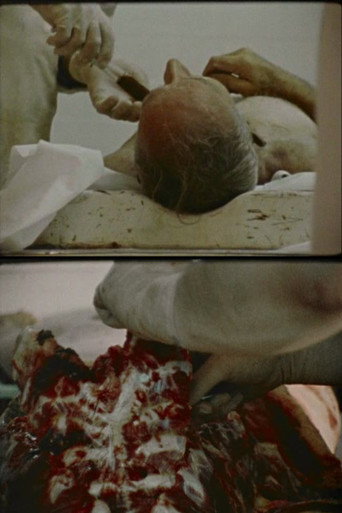
At a morgue, forensic pathologists conduct autopsies of the corpses assigned. "S. Brakhage, entering, WITH HIS CAMERA, one of the forbidden, terrific locations of our culture, the autopsy room. It is a place wherein, inversely, life is cherished, for it exists to affirm that no one of us may die without our knowing exactly why. All of us, in the person of the coroner, must see that, for ourselves, with our own eyes. It is a room full of appalling particular intimacies, the last ditch of individuation. Here our vague nightmare of mortality acquires the names and faces of OTHERS. This last is a process that requires a WITNESS; and what 'idea' may finally have inserted itself into the sensible world we can still scarcely guess, for the CAMERA would seem the perfect Eidetic Witness, staring with perfect compassion where we can scarcely bear to glance." – Hollis Frampton
Filmography
Sort