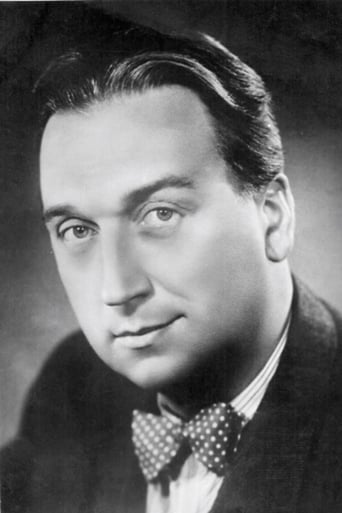
Acting
Mikhail Nazvanov
Born February 24, 1914 · Moscow, Russian Empire, [now Russia]
Died July 13, 1964 · aged 50
No biography available.
Known For
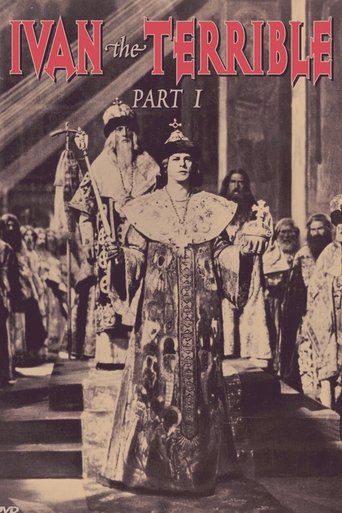 Ivan the Terrible, Part I · 1944
Ivan the Terrible, Part I
★ 7.31944
MovieDramaHistory
Set during the early part of his reign, Ivan faces betrayal from the aristocracy and even his closest friends as he seeks to unite the Russian people. Sergei Eisenstein's final film, this is the first part of a three-part biopic of Tsar Ivan IV of Russia, which was never completed due to the producer's dissatisfaction with Eisenstein's attempts to use forbidden experimental filming techniques and excessive cost overruns. The second part was completed but not released for a decade after Eisenstein's death and a change of heart in the USSR government toward his work; the third part was only in its earliest stage of filming when shooting was stopped altogether.
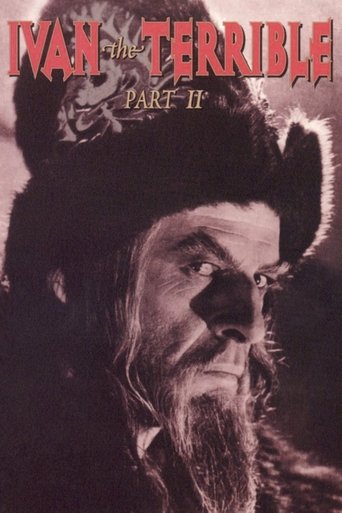 Ivan the Terrible, Part II: The Boyars' Plot · 1958
Ivan the Terrible, Part II: The Boyars' Plot
★ 7.31958
MovieHistoryDrama
This is the second part of a projected three-part epic biopic of Russian Czar Ivan Grozny, undertaken by Soviet film-maker Sergei Eisenstein at the behest of Josef Stalin. Production of the epic was stopped before the third part could be filmed, due to producer dissatisfaction with Eisenstein's introducing forbidden experimental filming techniques into the material, more evident in this part than the first part. As it was, this second part was banned from showings until after the deaths of both Eisenstein and Stalin, and a change of attitude by the subsequent heads of the Soviet government. In this part, as Ivan the Terrible attempts to consolidate his power by establishing a personal army, his political rivals, the Russian boyars, plot to assassinate him.
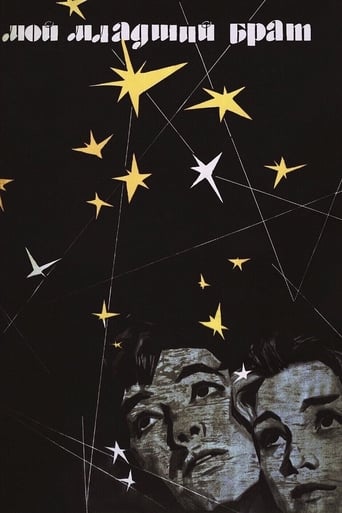 My Younger Brother · 1962
My Younger Brother
★ 5.91962
MovieDrama
School is over, final exams are behind — and Dima was the first to think of waving away from home. The convictions of his elder brother Viktor about a serious attitude to the future life only more “warmed up” the four friends, and for the first time they went to Tallinn for the first time without the bored care of adults...
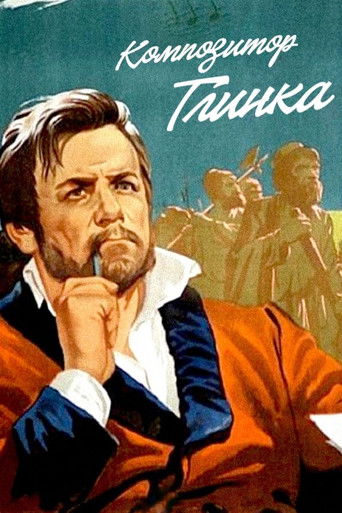
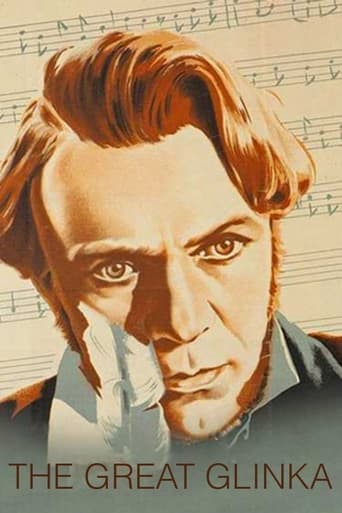 The Great Glinka · 1946
The Great Glinka
★ 6.71946
MovieMusicHistory
About the life of the Russian composer Mikhail Glinka.
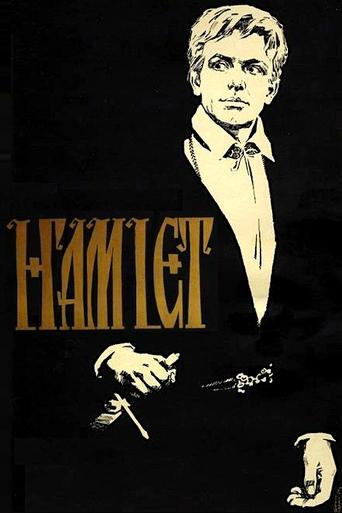 Hamlet · 1964
Hamlet
★ 7.21964
MovieDrama
Shakespeare's 17th century masterpiece about the "Melancholy Dane" was given one of its best screen treatments by Soviet director Grigori Kozintsev. Kozintsev's Elsinore was a real castle in Estonia, utilized metaphorically as the "stone prison" of the mind wherein Hamlet must confine himself in order to avenge his father's death. Hamlet himself is portrayed (by Innokenti Smoktunovsky) as the sole sensitive intellectual in a world made up of debauchers and revellers. Several of Kozintsev directorial choices seem deliberately calculated to inflame the purists: Hamlet's delivers his "To be or not to be" soliloquy with his back to the camera, allowing the audience to fill in its own interpretations.
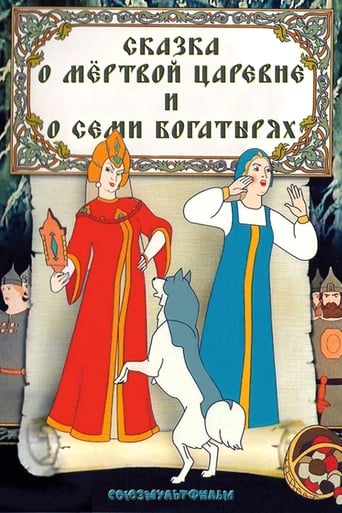 The Tale of the Dead Princess and the Seven Knights · 1951
The Tale of the Dead Princess and the Seven Knights
★ 6.81951
MovieAnimationFamily
Animated film based on the story of Alexander Pushkin. The new king's wife wants to get rid of their stepdaughter and expels it to certain death in the forest. Princess finds refuge in the forest in the seven bogatyrs. The queen, finds out about it and poisons her...
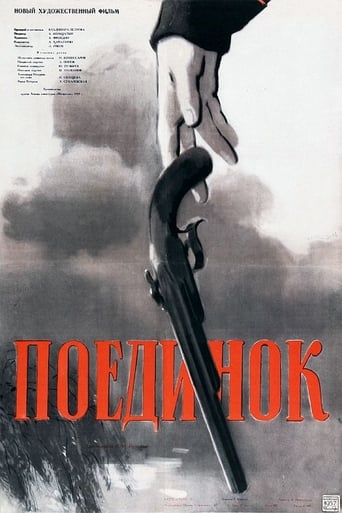 Duel · 1957
Duel
★ 7.01957
MovieDramaRomance
1896. The regiment, stationed in a small town, is bored, drunk, languishing in soullessness. Lieutenant Romashov falls in love with the captain's wife Shurochka. Society is abuzz on the subject. A quarrel arises between the captain and the lieutenant.
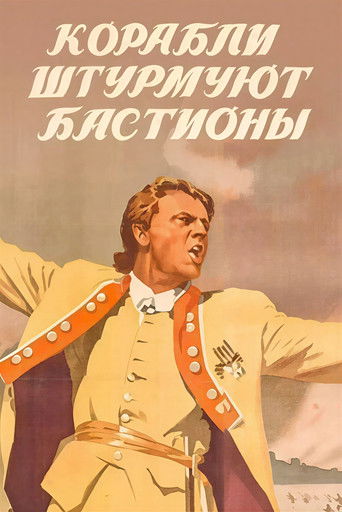 Attack from the Sea · 1953
Attack from the Sea
★ 6.01953
MovieWarDrama
The historical and biographic movie about the glorified Russian naval commander Ushakov. France begins aggressive wars. The Russian and allied troops freeing Italy are headed by A. V. Suvorov. The victory in the fortress of Corfu is ensured by operation of the admiral Ushakov.
Filmography
Sort
The Great Glinka · 1946The Great Glinka
★ 6.71946
MovieMusicHistory
About the life of the Russian composer Mikhail Glinka.
Kostya, the Hussar
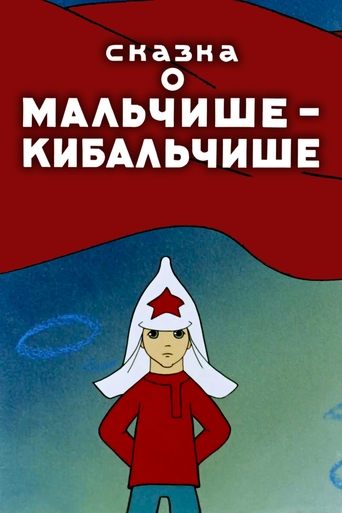 The Tale About Malchish-Kibalchish · 1958
The Tale About Malchish-Kibalchish
★ 9.51958
MovieAnimation
Chief bourgeois (voice)
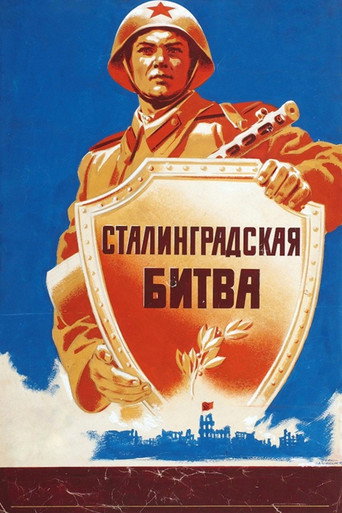 The Battle of Stalingrad · 1949
The Battle of Stalingrad
★ 4.01949
MovieActionDrama
A 1949 two-part Soviet epic war film about the Battle of Stalingrad.
Col. Ivan Ilyich Lyunikov

 Сокровища республики · 1964
Сокровища республики
★ 9.01964
Movie
Виктор Антонович Лебедев, профессор живописи