Acting
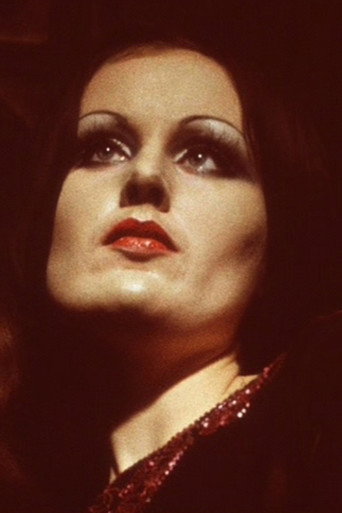
Magdalena Montezuma
Born January 1, 1942 · Würzburg, Germany
Died July 15, 1984 · aged 42
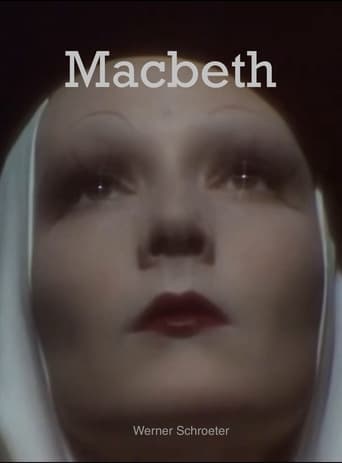
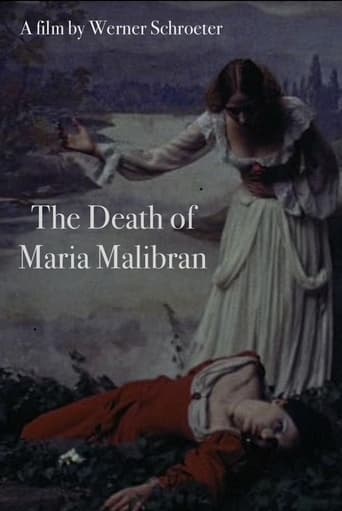
Magdalena Montezuma was born in 1943 in Würzburg, Bavaria, Germany as Erika Kluge. She was an actress, known for The Death of Maria Malibran (1972), Macbeth Oper von Rosa von Praunheim (1971) and The Rose King (1986). She died on July 15, 1984 in Berlin, Germany.
Known For
 Dorian Gray in the Mirror of the Yellow Press · 1984
Dorian Gray in the Mirror of the Yellow Press
★ 6.01984
MovieDrama
The final installment in Ulrike Ottinger’s Berlin Trilogy (following TICKET OF NO RETURN and FREAK ORLANDO) casts Delphine Seyrig as the nefarious Fritz Lang supervillain Dr. Mabuse, here the head of a powerful media empire that seeks to create headlines by manufacturing (and then publicly destroying) its own celebrity: the wealthy, handsome playboy Dorian Gray.
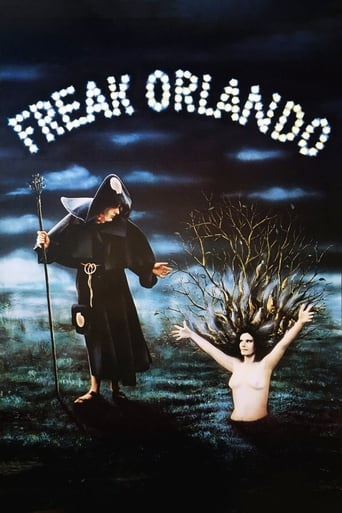 Freak Orlando · 1981
Freak Orlando
★ 5.41981
MovieComedyFantasy
Five more-or-less distinct sections, all featuring "Freak" Orlando, a woman played by the late Magdalena Montezuma, who appears in various guises and deformities throughout.
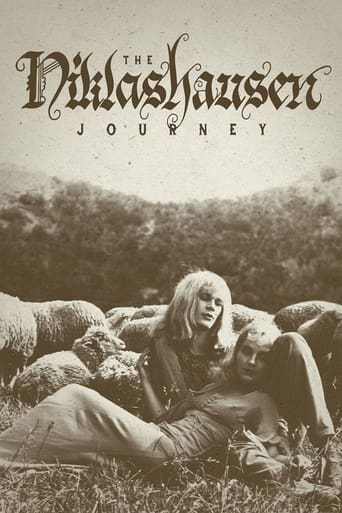 The Niklashausen Journey · 1970
The Niklashausen Journey
★ 5.81970
MovieDramaTV Movie
Can a small group of people start a proletarian revolution, asks the "Black Monk" in a leather jacket? The medieval shepherd, Hans Boehm, claims to have been called by the Virgin Mary to create a revolt against the church and the landowners. The "Black Monk" suggests that he would have more success if he dressed up Johanna and had her appear as the Virgin Mary.
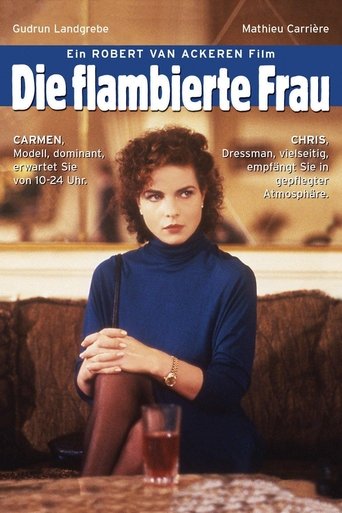 A Woman in Flames · 1983
A Woman in Flames
★ 5.21983
MovieDrama
Eva, an upper-class housewife, frustratedly leaves her arrogant husband and decides to enter the call girl business. She lets Yvonne, a prostitute, teach her the basics and both set out for prey together, until Eva starts an affair with Chris, who turns out to be a call boy, as well. Consequently, she moves into his penthouse, large enough for both to offer their services separately.
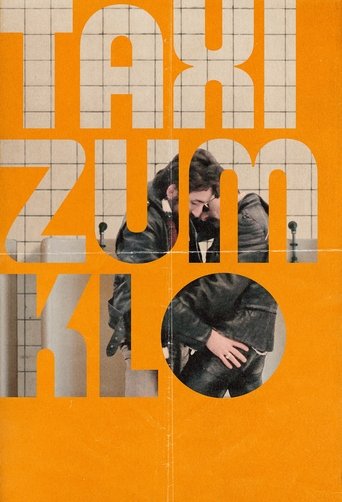 Taxi to the Toilets · 1981
Taxi to the Toilets
★ 6.31981
MovieRomanceDrama
Frank, a dedicated schoolteacher, embraces the sexual freedoms of the city’s underground scene—navigating a double life in public restrooms, cinemas, and cruising spots. When he meets Bernd, a sweet and steady museum worker, he finds himself torn between the comfort of domestic partnership and the allure of anonymous desire.
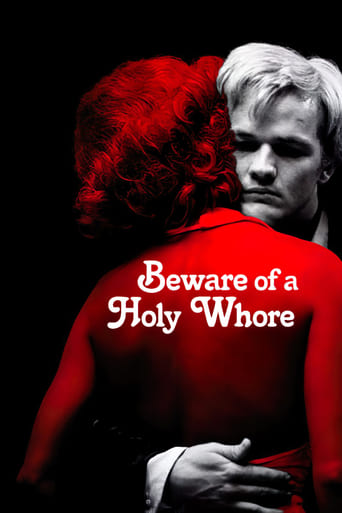 Beware of a Holy Whore · 1971
Beware of a Holy Whore
★ 6.21971
MovieDramaComedy
Film director Jeff and his lead actor are taking their time getting to set. In their absence, the crew lack a purposeful way to spend their time waiting, so they drink heavily. However, as booze is downed and frustration sets in, morale hits rock bottom.
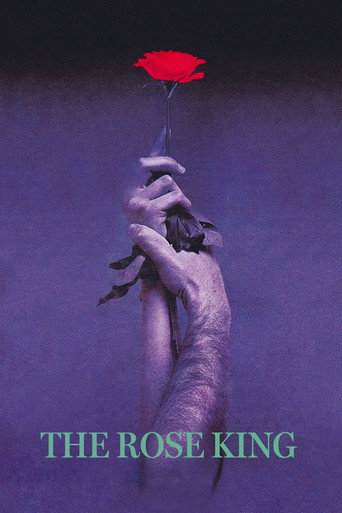 The Rose King · 1986
The Rose King
★ 6.51986
MovieDrama
A mentally unstable woman and her son move to a sprawling mansion in Portugal to grow roses.
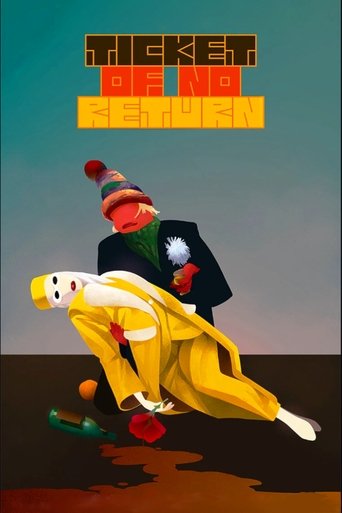 Ticket of No Return · 1979
Ticket of No Return
★ 6.41979
MovieDrama
A sartorially resplendent woman of few words arrives in Berlin with plans to live out the rest of her days as a drunkard.
Filmography
Sort
Freak Orlando · 1981Freak Orlando
★ 5.41981
MovieComedyFantasy
Five more-or-less distinct sections, all featuring "Freak" Orlando, a woman played by the late Magdalena Montezuma, who appears in various guises and deformities throughout.
Orlando, als Pilger, Orlando Zyldopa, Orlando Orlanda, Orlando Capricho, Mr. Orlando, The Entertainer Mrs. Orlando
 Gold Flakes · 1976
Gold Flakes
★ 8.41976
MovieDrama
Werner Schroeter's rhapsody of excess leaps from 1949 Cuba to contemporary France to points in between, while its feverishly shifting visual style evokes and parodies everything from kitschy Mexican telenovelas to silent French art films.
Magdalena, Josette, The Angel of Death