Writing
Pierre Bost
Born September 5, 1901 · Lasalle, Gard, France
Died December 6, 1975 · aged 74
Pierre Bost (5 September 1901, Lasalle, Gard – 6 December 1975, Paris) was a French screenwriter, novelist, and journalist. Primarily a novelist until the 1940s, he was known mainly as a screenwriter after 1945, often collaborating with Jean Aurenche. In his 1954 article Une Certaine Tendance du Cinéma Français ("A Certain Trend of French Cinema"), François Truffaut attacked the current state of …
Known For
 Forbidden Games · 1952
Forbidden Games
★ 7.81952
MovieDramaWar
Orphaned after a Nazi air raid, Paulette, a young Parisian girl, runs into Michel, an older peasant boy, and the two quickly become close. Together, they try to make sense of the chaotic and crumbling world around them, attempting to cope with death as they create a burial ground for Paulette's deceased pet dog. Eventually, however, Paulette's stay with Michel's family is threatened by the harsh realities of wartime.
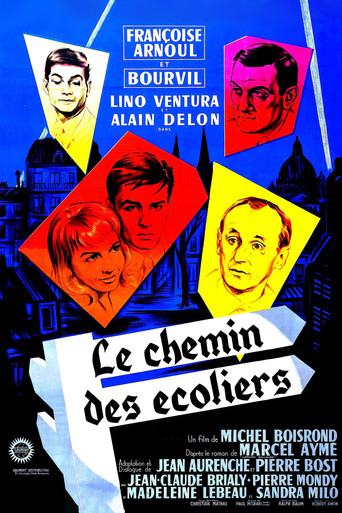 Way of Youth · 1959
Way of Youth
★ 6.21959
MovieComedy
This movie is a Marcel Aymé adaptation and it deals with the not-so-glorious side of the Occupation: black market, war profiteers, cracking open bottles of Champagne while most of the Parisians are almost starving.
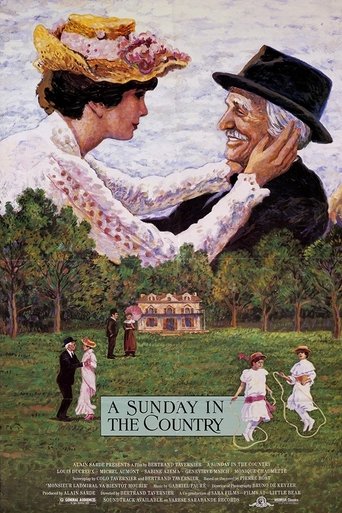 A Sunday in the Country · 1984
A Sunday in the Country
★ 6.91984
MovieDramaFamily
In France, before WWI. As every Sunday, an old painter living in the country is visited by his son Gonzague, coming with his wife and his three children. Then his daugther Irene arrives. She is always in a hurry, she lives alone and does not come so often... An intimist chronicle in which what is not shown, what is guessed, is more important than how it looks, dealing with what each character expects of life.
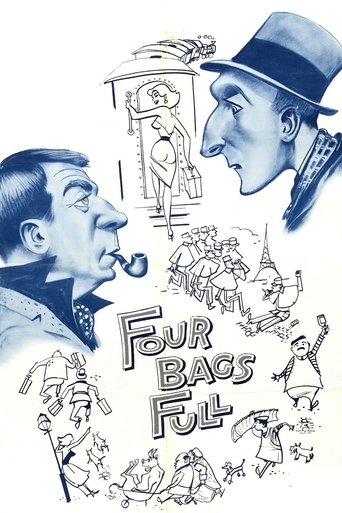 La Traversée de Paris · 1956
La Traversée de Paris
★ 7.31956
MovieComedyDrama
Two unlikely companions must smuggle four suitcases filled with contraband pork across Nazi-occupied Paris.
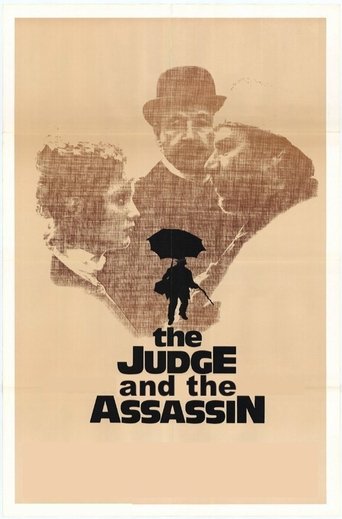 The Judge and the Assassin · 1976
The Judge and the Assassin
★ 6.91976
MovieHistoryCrime
France, 1893. Joseph Bouvier attempts to shoot his love who refused to marry him and to commit suicide. Upon release from the filthy asylum where he was placed, with bullets still remaining in his head, he wanders the country roads and rapes and murders many teenagers over years. The judge Rousseau captures him, but to serve his ambition seeks to avoid that Bouvier is simply declared insane.
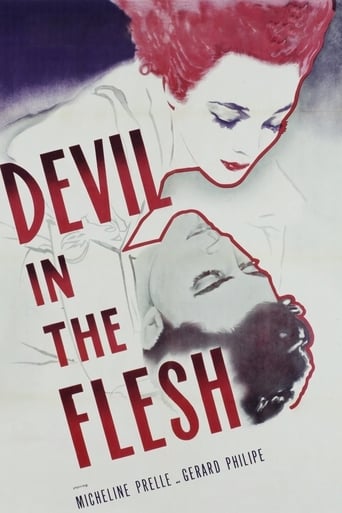 Devil in the Flesh · 1947
Devil in the Flesh
★ 6.21947
MovieDramaRomance
In France during World War I, Marthe waits for her husband, Jacques, while he fights on the front lines. Marthe then begins a tempestuous affair with 17-year-old François, with whom she had a dalliance before marrying Jacques. Jealous François struggles with the fact that Marthe is married, while she tries to prove her devotion to her young, hotheaded lover. Things become even more complex when Marthe becomes pregnant with Jacques' baby.
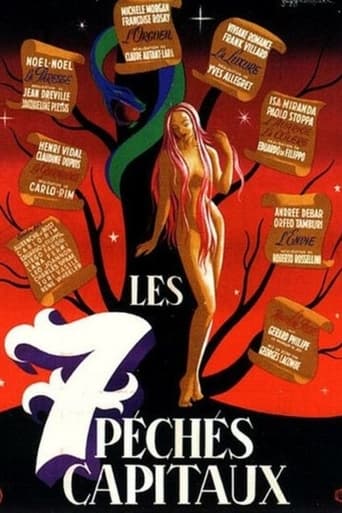 The Seven Deadly Sins · 1952
The Seven Deadly Sins
★ 6.01952
MovieComedyDrama
A compilation of segments covers the seven deadly sins of greed, wrath, envy, pride, lust, sloth, and gluttony.
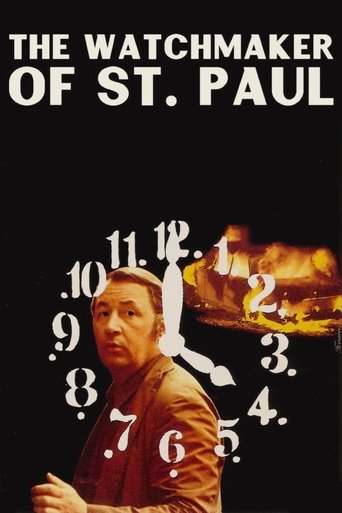 The Watchmaker of St. Paul · 1974
The Watchmaker of St. Paul
★ 6.91974
MovieThrillerDrama
Michel Descombes is a watchmaker who lives in Lyon with his teenage son Bernard. When the police visit and inform him that Bernard has killed a man and is on the run with a girl, Michel realises that he knew far less about his son than he thought.
Filmography
Sort