Acting
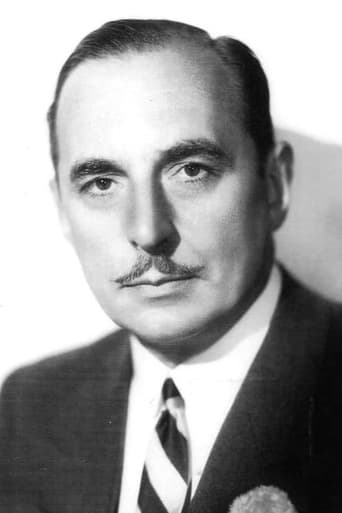
Douglass Dumbrille
Born October 12, 1889 · Hamilton, Canada
Died April 2, 1974 · aged 84
From Wikipedia, the free encyclopedia Douglass Rupert Dumbrille (October 13, 1889 – April 2, 1974) was a Canadian actor and one of the Canadian pioneers in early Hollywood. In 1913, the East Coast film industry was flourishing and that year he appeared in the film What Eighty Million Women Want, but it would be another 11 years before he appeared on screen again. In 1924, he made his Broadway d…
Known For
 Baby Face · 1933
Baby Face
★ 7.31933
MovieDrama
A young woman uses her body and her sexuality to help her climb the social ladder, but soon begins to wonder if her new status will ever bring her happiness.
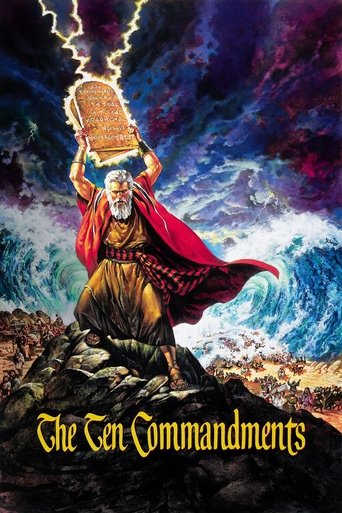 The Ten Commandments · 1956
The Ten Commandments
★ 7.81956
MovieDramaHistory
Escaping death, a Hebrew infant is raised in a royal household to become a prince. Upon discovery of his true heritage, Moses embarks on a personal quest to reclaim his destiny as the leader and liberator of the Hebrew people.
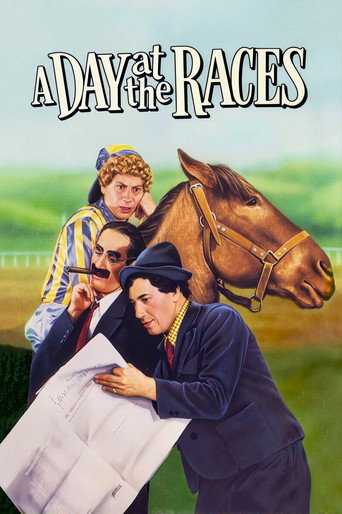 A Day at the Races · 1937
A Day at the Races
★ 7.11937
MovieComedyMusic
Doctor Hugo Hackenbush, Tony, and Stuffy try and save Judy's sanitarium by winning a big race with a finicky horse owned by Judy's boyfriend Gil. There are a few problems. Hackenbush, who was recently put in charge of the sanitarium, isn't really a doctor, he's a veterinarian.
 Mr. Deeds Goes to Town · 1936
Mr. Deeds Goes to Town
★ 7.51936
MovieComedyDrama
Longfellow Deeds lives in a small town, leading a small town kind of life. When a relative dies and leaves Deeds a fortune, Longfellow moves to the big city where he becomes an instant target for everyone. Deeds outwits them all until Babe Bennett comes along. When small-town boy meets big-city girl anything can, and does, happen.
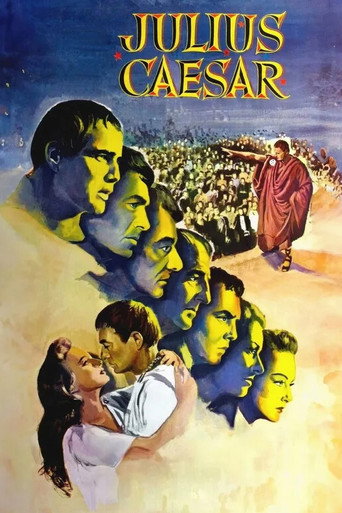 Julius Caesar · 1953
Julius Caesar
★ 7.11953
MovieDramaHistory
The growing ambition of Julius Caesar is a source of major concern to his close friend Brutus. Cassius persuades him to participate in his plot to assassinate Caesar but both have sorely underestimated Mark Antony.
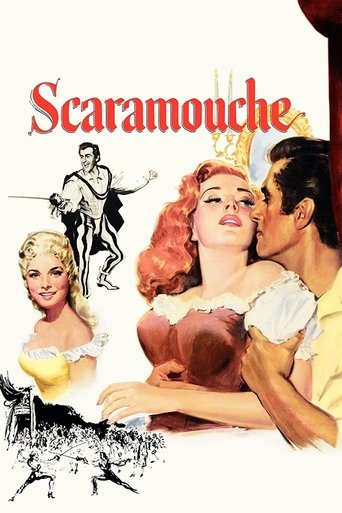 Scaramouche · 1952
Scaramouche
★ 7.01952
MovieAdventureRomance
In 18th-century France, a young man masquerades as an actor to avenge his friend's murder.
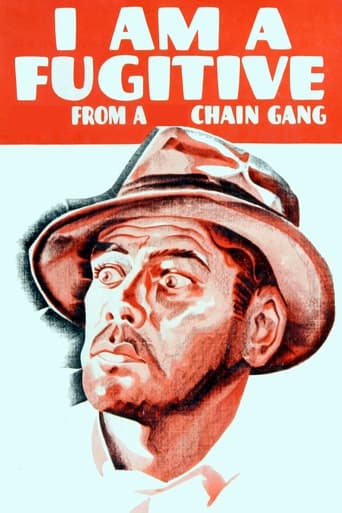 I Am a Fugitive from a Chain Gang · 1932
I Am a Fugitive from a Chain Gang
★ 7.81932
MovieDrama
A World War I veteran’s dreams of becoming a master architect evaporate in the cold light of economic realities. Things get even worse when he’s falsely convicted of a crime and sent to work on a chain gang.
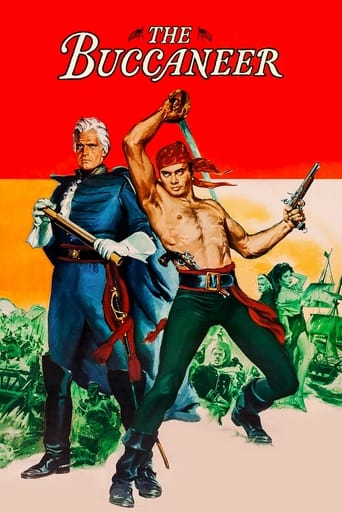 The Buccaneer · 1958
The Buccaneer
★ 6.51958
MovieAdventureDrama
During the War of 1812 against Britain: General Andrew Jackson has only 1,200 men left to defend New Orleans when he learns that a British fleet will arrive with 60 ships and 16,000 men to take the city. In this situation an island near the city becomes strategically important to both parties, but it's inhabited by the last big buccaneer: Jean Lafitte. Although Lafitte never attacks American ships, the governor hates him for selling merchandise without taxes - and is loved by the citizens for the same reason. When the big fight gets nearer, Lafitte is drawn between the fronts. His heart belongs to America, but his people urge him to join the party that's more likely to win.
Filmography
Sort
Scaramouche · 1952Scaramouche
★ 7.01952
MovieAdventureRomance
In 18th-century France, a young man masquerades as an actor to avenge his friend's murder.
Assembly President
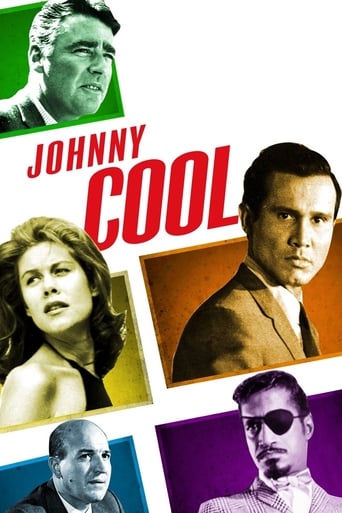 Johnny Cool · 1963
Johnny Cool
★ 5.41963
MovieCrimeDrama
A deported gangster trains an Italian convict to take over his operations in the U.S.
Corrupt City Council Member