Camera
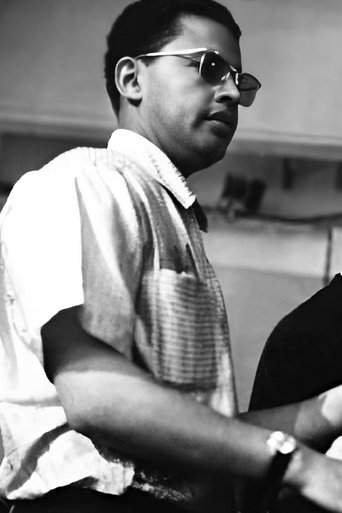
Ali Marok
Born January 1, 1939 · Hadjout, Algeria (age 87)
Ali Marok (علي ماروك), born in 1939 in Hadjout (formerly Marengo) in Algeria, is an Algerian cinema director of photography, television reporter and photographer. When he was young, Ali did not have the advantage of a normal schooling. He had to redouble his efforts to make up for lost time. It is the birth of this artistic feeling which will increase tenfold in the future artist eager to learn. …
Known For
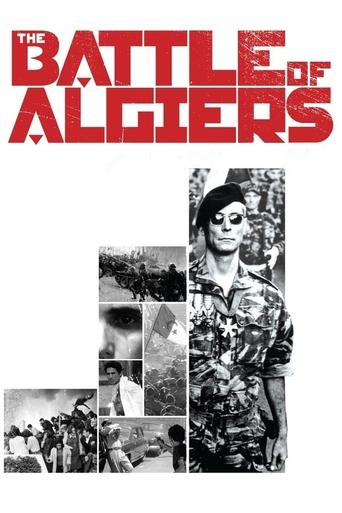 The Battle of Algiers · 1966
The Battle of Algiers
★ 7.91966
MovieDramaWar
Former petty criminal Ali la Pointe becomes a commander of the Algerian Front de Liberation Nationale, directing a guerilla insurgency against the colonial French occupation. Paratrooper commander Colonel Phillippe Mathieu, a veteran of World War II and the First Indochina War, is sent to Algeria to reinforce efforts to squelch the uprisings.
 A Propos D'Un Crime · 1967
A Propos D'Un Crime
★ 10.01967
MovieDocumentary
In 1967, Visconti came to Algiers for the filming of The Stranger with Mastroianni and Anna Karina. Camus, during his lifetime, had always refused to allow one of his novels to be brought to the screen. His family made another decision. The filming of the film was experienced in Algiers, like a posthumous return of the writer to Algiers. During filming, a young filmmaker specializing in documentaries Gérard Patris attempts a report on the impact of the filming of The Stranger on the Algerians. Interspersed with sequences from the shooting of Visconti's film, he films Poncet, Maisonseul, Bénisti and Sénac, friends of Camus, in full discussions to situate Camus and his work in a sociological and historical context. “The idea is for us to show people, others, ourselves as if they could all be Meursault, or at least the witnesses concerned to his drama.”
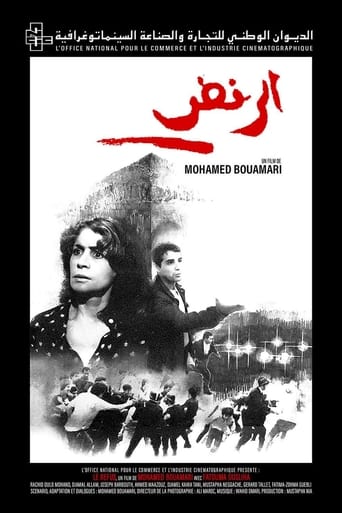 The Refusal · 1982
The Refusal
★ 10.01982
MovieDrama
In 1971, the Algerian government nationalized hydrocarbons. The consequences of this decision on the community of Algerians in France are numerous. The Galti family is prey to these economic problems. The father, Khaled, former member of the F.L.N. in France, does not escape the sentence. Sharazade, his wife and comrade in combat, finds herself torn between her role as wife, mother and nostalgia for a country and a bygone past. As for his son Karim, a victim of socio-cultural division, all he has left is refusal.
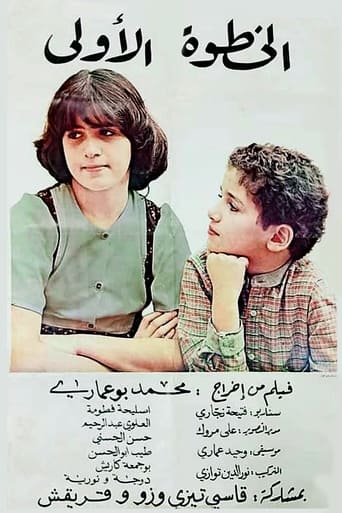 First Step · 1980
First Step
★ 9.51980
MovieDramaComedy
A modern couple seeks to find marital happiness in a context where Algerian society is taking the “first step” towards female emancipation. A woman becomes president of a popular municipal assembly. Will she find happiness ?
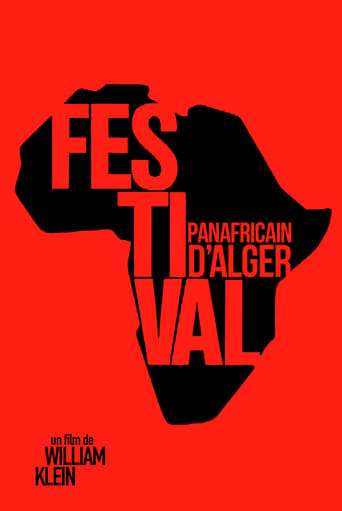 The Pan-African Festival in Algiers · 1969
The Pan-African Festival in Algiers
★ 6.01969
MovieDocumentaryMusic
Festival panafricain d'Alger is a documentary by William Klein of the music and dance festival held 40 years ago in the streets and in venues all across Algiers. Klein follows the preparations, the rehearsals, the concerts… He blends images of interviews made to writers and advocates of the freedom movements with stock images, thus allowing him to touch on such matters as colonialism, neocolonialism, colonial exploitation, the struggles and battles of the revolutionary movements for Independence.
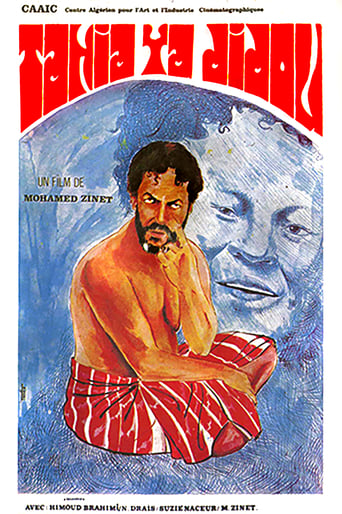 Tahia Ya Didou ! · 1971
Tahia Ya Didou !
★ 8.01971
MovieComedy
Originally commissioned by the city of Algiers to promote tourism, Mohamed Zinet’s Tahia ya Didou blends documentary with fiction to create a poetic, acerbic and rapturous portrait of the director’s native city. The camera travels freely, through the port, market, streets and cafés, capturing everyday people, some of whom recur frequently enough to seem like protagonists. The nominal plotline follows a French tourist couple’s leisurely visit to the city, the man having previously served in the army during the Algerian war. As they walk around, his comments betray his mindset’s racist colonial prejudices, while his wife reiterates asinine clichés. Their unhurried wandering is interrupted when he comes across a blind man and realises that he tortured him during his army service. The film is punctuated with punchy sequences that show a poet named Momo delivering verse as an elegy for Algiers.
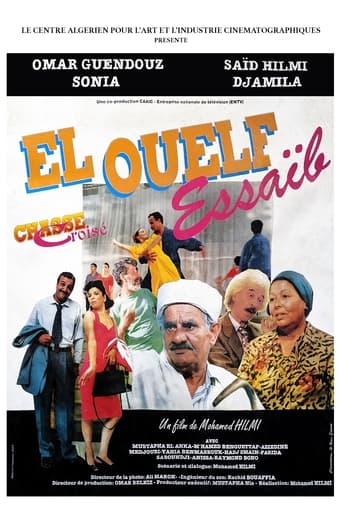 El Ouelf Essaïb · 1990
El Ouelf Essaïb
★ 10.01990
MovieComedyFamily
An Algerian music composer and his friends live a thrilling story, full of twists and turns.
 The Death Knell · 1964
The Death Knell
★ 10.01964
MovieDocumentary
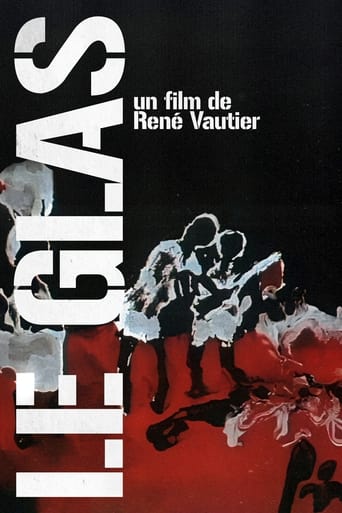
At the beginning of the 1960s, in Salisbury (now Harare), in Southern Rhodesia (now Zimbabwe), the government of Ian Smith hanged three black revolutionaries who had nevertheless been pardoned by the Queen of England. René Vautier, with ZAPU (Zimbabwe African Party for Unity), denounces this killing. Expelled by the Rhodesian police (informed by the French secret services), the filmmaker shoots a film in Algeria in the form of an indictment against colonial savagery. The film was first banned in France, then authorized in 1965.