The Death Knell

The Death Knell

1964 · 6 min · ★ 10.0 · Documentary

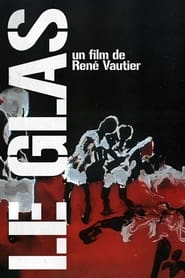
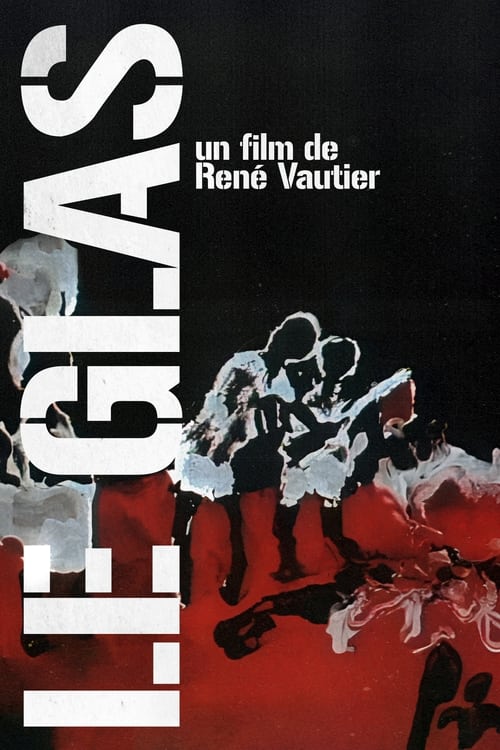
At the beginning of the 1960s, in Salisbury (now Harare), in Southern Rhodesia (now Zimbabwe), the government of Ian Smith hanged three black revolutionaries who had nevertheless been pardoned by the Queen of England. René Vautier, with ZAPU (Zimbabwe African Party for Unity), denounces this killing. Expelled by the Rhodesian police (informed by the French secret services), the filmmaker shoots a film in Algeria in the form of an indictment against colonial savagery. The film was first banned in France, then authorized in 1965.

Directed by René Vautier · Written by René Vautier

Your Rating

Cast

Make it a double feature

15m together

The Death Knell
J'ai Huit Ans

Both from René Vautier.

More from René VautierSee all →

LumièresLumières · 1989
Lumières
★ 10.01989
MovieComedyDrama
Long quest for a director specializing in commissioned films, who after a depression rediscovers his loved ones, his Casbah district, himself. Taken in hand, for a while, by his Islamist neighbor, it is above all the meeting with an old projectionist giving him a censored history of cinema and Algeria, which helps him to change, and to accept his own fantasies, embodied by Marilyn Monroe and the Andalusian.
Four Days of a PartisanFour Days of a Partisan · 1975
Four Days of a Partisan
★ 10.01975
MovieScience Fiction
2039... A third world war on every continent... Isolated in an old building with his partner, a young man refuses to seek shelter during an alert. He rejects all historical awareness. But tragic circumstances will decide otherwise. Day One: BEYOND THE WIND. Day Two: VERTICAL COMBAT. Day Three: HORIZONTAL COMBAT. 2045. Day Four: BEYOND THE WIND.
Fort Du Conquet Destruction of the Vautier ArchivesFort Du Conquet Destruction of the Vautier Archives · 1983
Fort Du Conquet Destruction of the Vautier Archives
★ 10.01983
MovieDocumentary
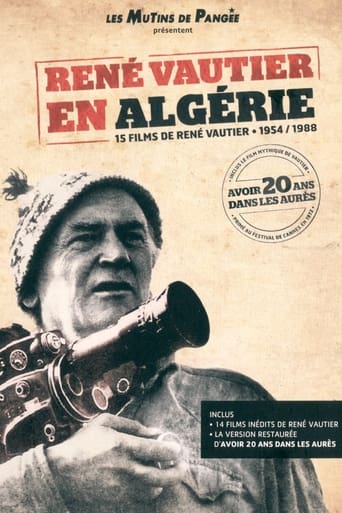
Resistance fighter under the occupation, committed to the FLN during the Algerian war, member of the Medvedkine group after May 1968 and defender of Breton autonomy, René Vautier was a committed filmmaker, author of an anti-colonialist work in which he denounces the repression, torture and racism. In 1983, René Vautier discovered, by the light of a flashlight, his films cut up and scattered at Fort du Conquet. Police also came to check the damage.
Quand tu disais, ValéryQuand tu disais, Valéry · 1976
Quand tu disais, Valéry
★ 9.51976
MovieDocumentary
Divided into five parts, this film traces the long strike by workers at the Caravelair caravan factory in Trigniac, near Saint-Nazaire, led by the C.G.T. and C.F.D.T. unions. Shot in 1975, the film achieved the strange feat of being produced entirely by workers' producers - 15,000 of them paid in advance for their tickets - and of being amortized, and even made profitable, by being shown outside the commercial circuit alone.
Des goûts et des couleursDes goûts et des couleurs · 1974
Des goûts et des couleurs
★ 9.01974
MovieDrama
The owner of a luxurious yacht seduces attractive women to deliver them to a black crew member.
Commune présenceCommune présence · 2008
Commune présence
★ 9.02008
MovieDocumentary
Guided by a letter from an childhood friend, a young man visits places and people from the past marked by history and commitment. He then meets other people throughout the night, looking for ways to act and imagine collectively.
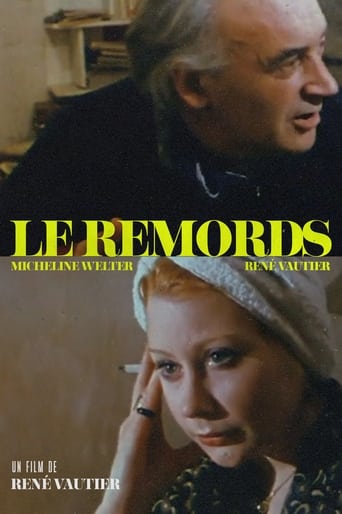
Le RemordsLe Remords · 1974
Le Remords
★ 9.01974
MovieDrama
A filmmaker witnesses an act of racist police violence in Paris. He discusses with a friend whether and how he should make a film out of this.
Déjà le sang de mai ensemençait novembreDéjà le sang de mai ensemençait novembre · 1982
Déjà le sang de mai ensemençait novembre
★ 9.01982
MovieDocumentary
The essay by René Vautier, "Déjà le sang de Mai ensemençait Novembre", starts with the recapitulation of the representations of Algeria throughout the history of visual arts in France in an effort to explore the causes for the quest for independence.
J'ai Huit AnsJ'ai Huit Ans · 1962
J'ai Huit Ans
★ 9.01962
Movie
With my wife, Olga Poliakoff, we made "I'm Eight Years Old" based on an idea by René Vautier. Using drawings by Algerian children who were refugees in Tunisia, the film immerses the viewer in the traumatized world of these children, horrifically linking the word "France" with words like "kill," "burn," and "torture." The live-action footage was shot in Tunisia by René Vautier and myself. A second set of drawings was compiled, and the children's testimonies were recorded by Olga at the Algerian-Tunisian border. The entire film was edited in collaboration with Jacqueline Meppiel. The first screening took place in Paris on February 10, 1962, without any precautions or authorization, for about fifty people. Sponsored by the Maurice Audin Committee, the film then circulated clandestinely throughout France in dozens of copies and was seen by tens of thousands of people while the OAS was carrying out bombings in Paris and Algiers – Yann Le Masson
The Madwoman of ToujaneThe Madwoman of Toujane · 1974
The Madwoman of Toujane
★ 8.71974
MovieDrama
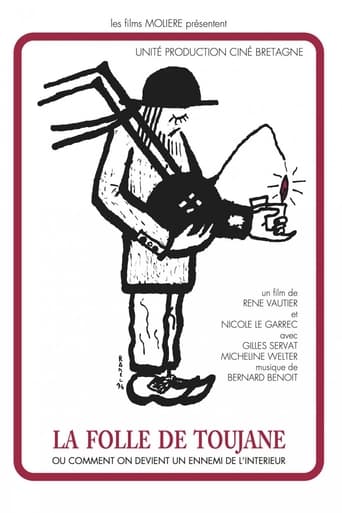
This rambling political melodrama tells the story of a French Breton who learns about colonialism while teaching native students in France's colonies of Tunisia and Algeria and returns to his native Brittany to see that the same conditions prevail there.
Les AjoncsLes Ajoncs · 1970
Les Ajoncs
★ 8.51970
MovieComedyAdventure
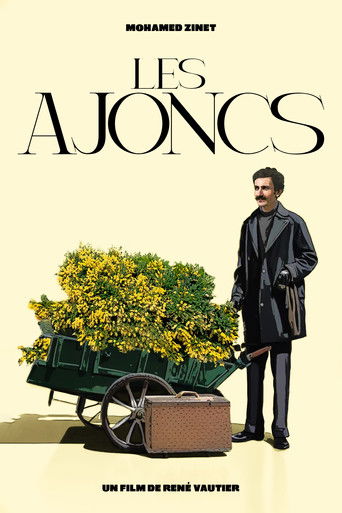
An unemployed Algerian worker leaves Paris by hitchhiking. He soon found himself in Brittany and, seduced by the beauty of wild gorse, eventually established himself as a gorse merchant. But for problems with parking his little cart, he had a rough explanation with a law enforcement officer. The happy intervention of factory workers, the eager kindness they showed him, saved him from despair. This film is part of a trilogy "Them And Us" with the films "Les 3 Cousins" and "Techniquement Si Simple".
Les Trois CousinsLes Trois Cousins · 1970
Les Trois Cousins
★ 8.01970
MovieDramaComedy
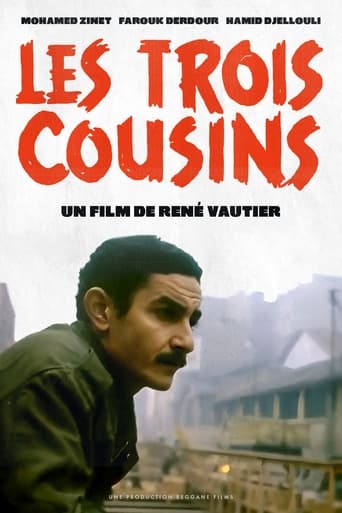
The Three Cousins ​​is a comedy-drama by René Vautier released in 1970 about the living conditions of three Algerian immigrant cousins ​​looking for work in Paris. Housed in a narrow construction shed, the coal stove will cause them to suffocate. The Three Cousins ​​won the Best Human Rights Film Award in Strasbourg in 1970.
Quand les femmes ont pris la colèreQuand les femmes ont pris la colère · 1977
Quand les femmes ont pris la colère
★ 8.01977
MovieDocumentary
The action takes place in a metallurgical factory which was part of the Pechiney-Ugine-Külhman trust in Couëron, Loire-Atlantique, in 1975. To show their solidarity with their husbands on strike, workers' wives invaded the director's office and obtained in two hours what was refused to them for months. But the management complained and sued. Twelve wives were charged with forcible confinement. The mobilization then widened. The women called on the Bretagne Cinema Production Unit (UPCB) to make a film about their struggle. Narrating the courageous action of solidarity of women with the strikers of the factory and the emergence of a collective awareness, both feminist and working-class, the film is also an echo chamber sensitive to the aspirations of the twelve women who were charged.
To Be Twenty in the AuresTo Be Twenty in the Aures · 1972
To Be Twenty in the Aures
★ 7.61972
MovieDramaWar
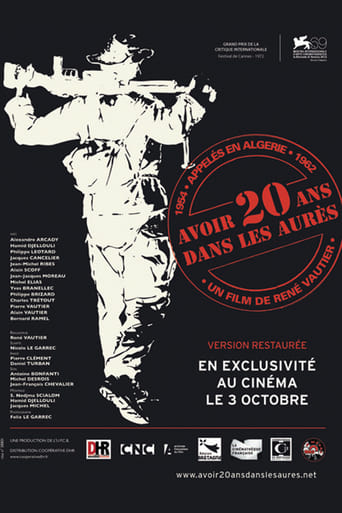
A group of refractory and pacifist Bretons is sent to Algeria. These beings confronted with the horrors of war gradually become killing machines. One of them did not accept it and deserted, taking with him an FLN prisoner who was to be executed the next day.
Les Anneaux d'OrLes Anneaux d'Or · 1956
Les Anneaux d'Or
★ 7.51956
MovieDocumentaryHistory
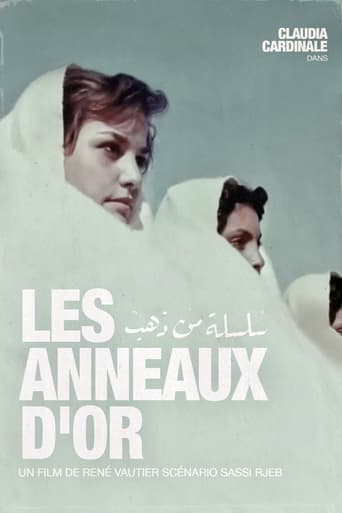
At the time of Tunisian independence, owners of large boats decide to sell, while many small fishermen soon find themselves without work. Their wives then decide to pool their gold rings to sell them and thus buy boats.
Dawn of the DamnedDawn of the Damned · 1965
Dawn of the Damned
★ 7.41965
MovieDocumentaryHistory
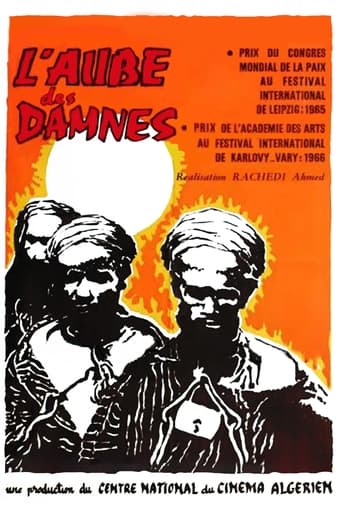
This excellent feature-length documentary - the story of the imperialist colonization of Africa - is a film about death. Its most shocking sequences derive from the captured French film archives in Algeria containing - unbelievably - masses of French-shot documentary footage of their tortures, massacres and executions of Algerians. The real death of children, passers-by, resistance fighters, one after the other, becomes unbearable. Rather than be blatant propaganda, the film convinces entirely by its visual evidence, constituting an object lesson for revolutionary cinema.

More Like This

Rate this film

Your ratings make Midnight smarter