Acting
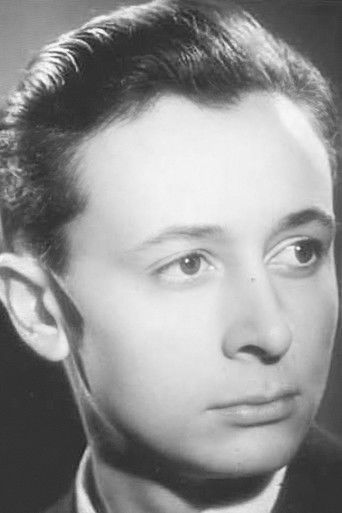
André Reybaz
Born October 29, 1929 · Paris, France
Died April 7, 1989 · aged 59
André Reybaz was a French actor. He had a long career spanning 40 years, which mostly consisted of numerous French television appearances. In 1950 he starred in the writer Jean Genet's only film, the influential Un chant d'amour (aka A Song Of Love), which focused on the longing desires of a prison guard and prisoners of a French jail.
Known For
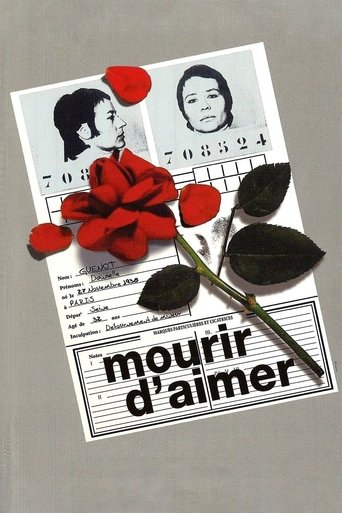 To Die of Love · 1971
To Die of Love
★ 6.41971
MovieDrama
A love story between a teacher, Danièle, 32 years and one of her students Gérard, 17 during the heated atmosphere of May 68. Danièle is a fiery young woman, very involved politically. Gérard's parents accuse Danièle of statutory rape and complain. Danièle is trapped and the drama begins...
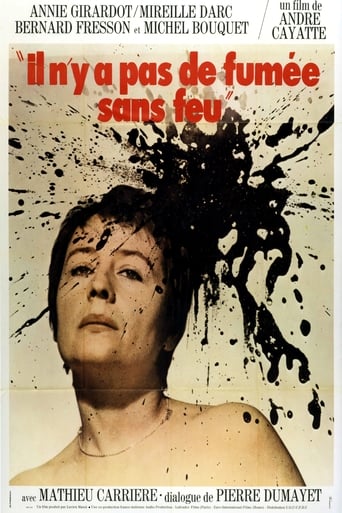 Where There's Smoke · 1973
Where There's Smoke
★ 6.41973
MovieDrama
An election campaign becomes more interesting when anonymously published photographs depict the wife of a candidate, Dr. Peyrac, attending a sex party. Are the photographs fake or genuine ?
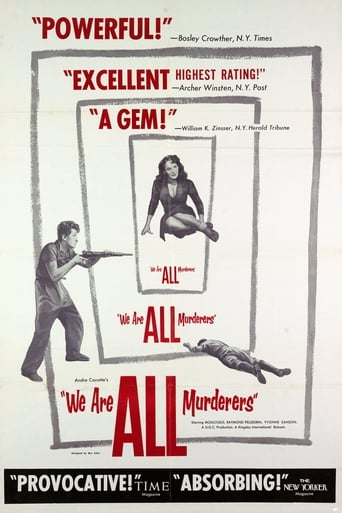 We Are All Murderers · 1952
We Are All Murderers
★ 6.71952
MovieCrimeDrama
Originally titled Nous Sommes Tout des Assassins, We Are All Murderers was directed by Andre Cayette, a former lawyer who detested France's execution system. Charles Spaak's screenplay makes no attempt to launder the four principal characters (Marcel Mouloudji, Raymond Pellegrin, Antoinine Balpetre, Julien Verdeir): never mind the motivations, these are all hardened murderers. Still, the film condemns the sadistic ritual through which these four men are brought to the guillotine. In France, the policy is to never tell the condemned man when the execution will occur--and then to show up without warning and drag the victim kicking and screaming to his doom, without any opportunity to make peace with himself or his Maker. By the end of this harrowing film, the audience feels as dehumanized as the four "protagonists." We Are All Murderers was roundly roasted by the French law enforcement establishment, but it won a special jury prize at the 1952 Cannes Film Festival.
 Ondine · 1975
Ondine
★ 9.01975
MovieDramaFantasy
In the forest, knight-errant Hans meets and falls in love with Ondine, a water-sprite who is attracted to the world of mortal man.
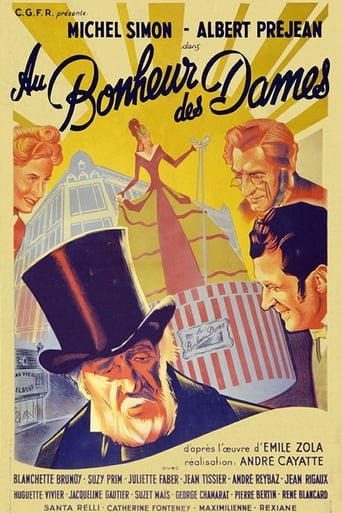 Shop Girls of Paris · 1943
Shop Girls of Paris
★ 7.11943
MovieDrama
The struggles of a small business owner come to light in this film by director André Cayatte. The proprietor of a fabric shop, M. Baudu faces stiff competition when a department store moves in across the street, the first of its kind in 1860s Paris. On top of the stresses associated with the rival retailer, Baudu’s niece and two nephews take up residence with him after recently being orphaned. The niece, Denise Baudu, sees the writing on the wall for her uncle’s business so she takes a job as a shop girl with his competitor and despite her success the decision does not register well with the family.
 Song of Love · 1972
Song of Love
★ 7.01972
MovieDramaFantasy
Two prisoners in complete isolation, separated by the thick brick walls, and desperately in need of human contact, devise a most unusual kind of communication.
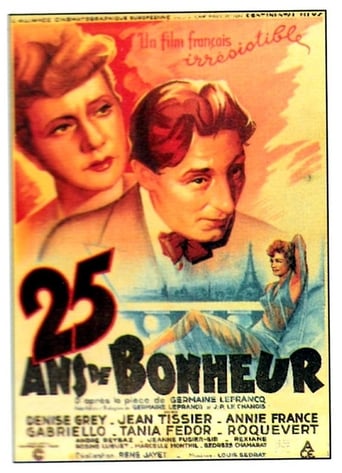 Vingt-cinq ans de bonheur · 1943
Vingt-cinq ans de bonheur
★ 10.01943
Movie
Comedy about an older man wanting to marry a younger woman who must make sure first that the woman is not by chance his own daughter.
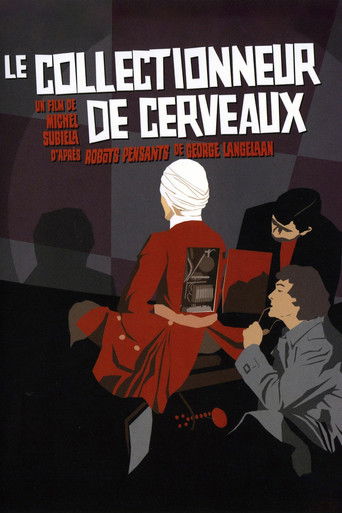 The Collector of Brains · 1981
The Collector of Brains
★ 6.71981
MovieTV MovieHorror
A young pianist is shocked when she witnesses a strange chess tournament with a robot. Could there be a gruesome secret behind this exhibition?
Filmography
Sort