Acting
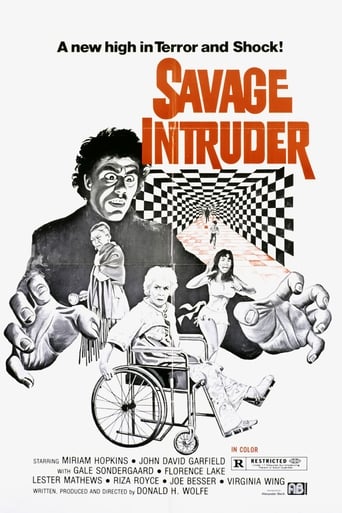
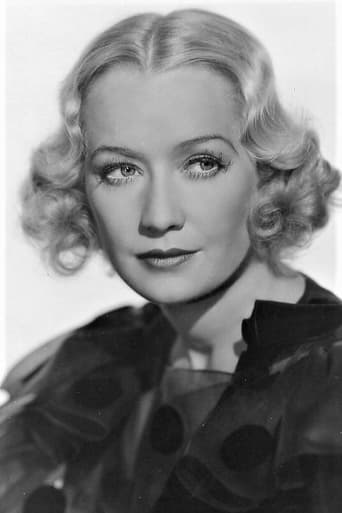
Miriam Hopkins
Born October 18, 1902 · Savannah, Georgia, USA
Died October 9, 1972 · aged 69
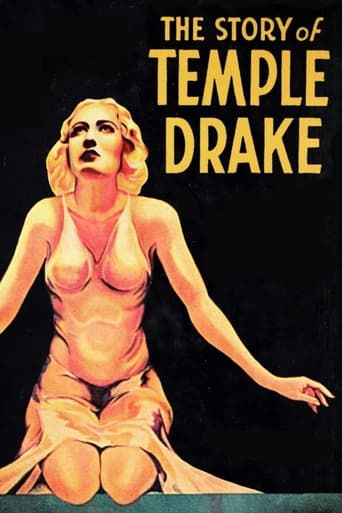
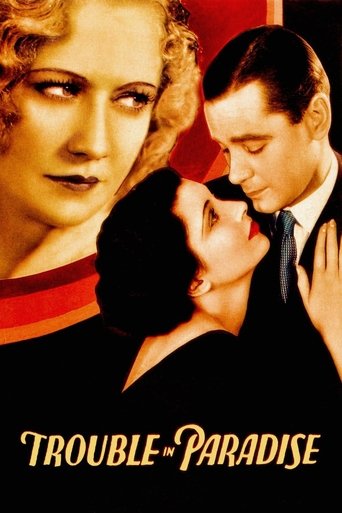
Ellen Miriam Hopkins (October 18, 1902 – October 9, 1972) was an American actress known for her versatility. She signed with Paramount Pictures in 1930. She portrayed a pickpocket in Ernst Lubitsch's romantic comedy Trouble in Paradise, a bar singer named Ivy in Rouben Mamoulian's Dr. Jekyll and Mr. Hyde, and the titular character in the controversial drama The Story of Temple Drake. She received…
Known For
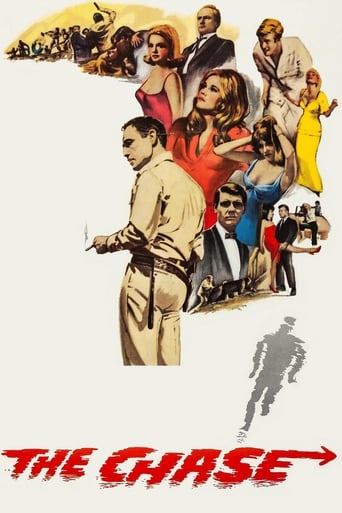 The Chase · 1966
The Chase
★ 7.11966
MovieCrimeDrama
The escape of Bubber Reeves from prison affects the inhabitants of a small Southern town.
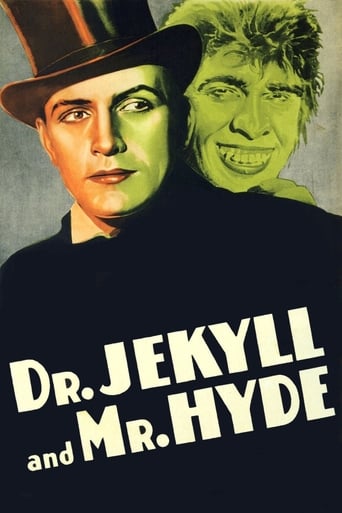 Dr. Jekyll and Mr. Hyde · 1931
Dr. Jekyll and Mr. Hyde
★ 7.21931
MovieHorrorScience Fiction
Dr. Henry Jekyll believes that there are two distinct sides to men: one that is good and one that is evil. He believes that by separating the two, man can become liberated. He succeeds in his experiments with chemicals to accomplish this and transforms into Hyde to commit horrendous crimes. When he discontinues use of the drug, it is already too late.
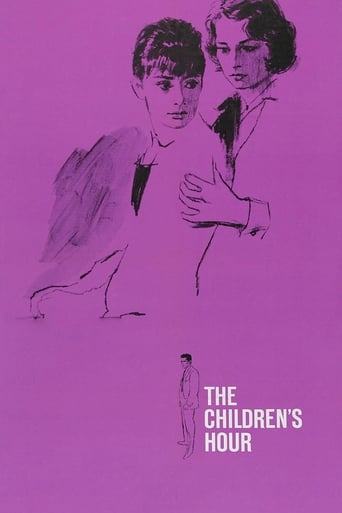 The Children's Hour · 1961
The Children's Hour
★ 7.71961
MovieDrama
An unruly student at a private all-girls boarding school scandalously accuses the two women who run it of having a romantic relationship.
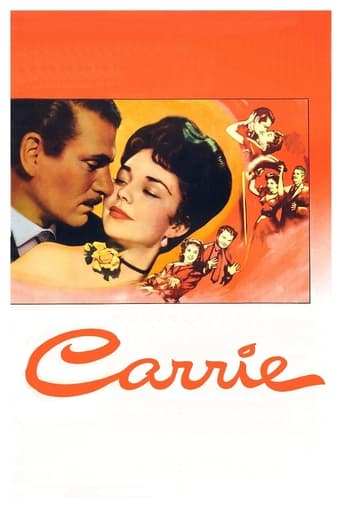 Carrie · 1952
Carrie
★ 6.41952
MovieDramaRomance
In the late 1890s, the ambitious, innocent Carrie arrives in Chicago’s South Side and stays with her nagging, dullish married sister. She then runs for help to traveling salesman Charles Drouet. She soon becomes his mistress, but falls in love with married restaurant manager George Hurstwood.
 Becky Sharp · 1935
Becky Sharp
★ 5.71935
MovieDramaRomance
In early 19th century England, ambitious and ruthless orphan Rebecca Sharp advances from the position of governess to the heights of British society. The first feature length film to use three-strip Technicolor.
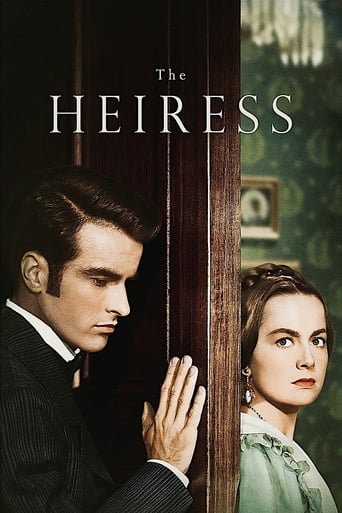 The Heiress · 1949
The Heiress
★ 7.81949
MovieDramaRomance
In 1840s New York, the uneventful and boring days of the daughter of a wealthy doctor come to an end when she meets a dashing poorer man — who may or may not be after her inheritance.
 24 Hours · 1931
24 Hours
★ 6.31931
MovieDrama
A nightclub singer is carrying on an affair with a married man. When she is found murdered, her lover is suspected of the crime.
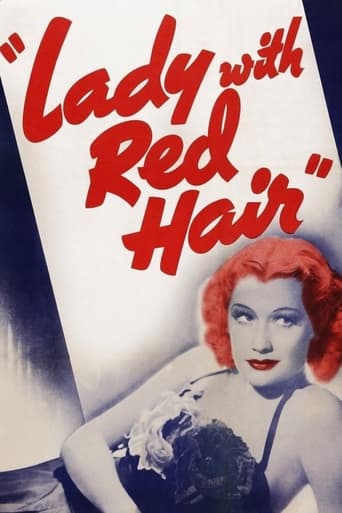 Lady with Red Hair · 1940
Lady with Red Hair
★ 6.91940
MovieDrama
An actress hopes to regain her lost son by making it to the top.
Filmography
Sort
Lady with Red Hair · 1940Lady with Red Hair
★ 6.91940
MovieDrama
An actress hopes to regain her lost son by making it to the top.
Mrs. Leslie Carter
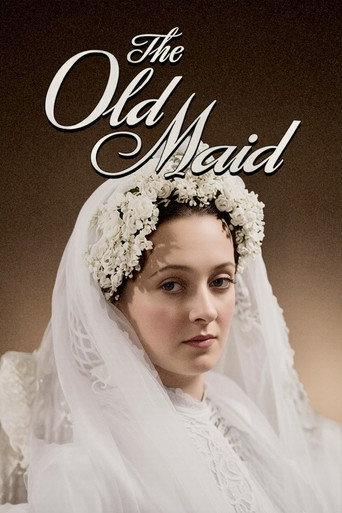 The Old Maid · 1939
The Old Maid
★ 7.01939
MovieDrama
The lives of two cousins are complicated by the return of an ex-boyfriend and an illegitimate child.
Delia Lovell Ralston