Directing
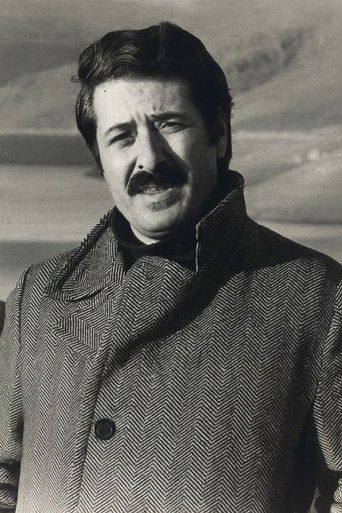
Suha Arın
Born December 23, 1942 · Balıkesir, Turkey
Died February 1, 2004 · aged 61
Suha Arın (January 23, 1942, Balıkesir - February 1, 2004, Istanbul) is a Turkish academic and documentary director. Described as "the pride and great master of Turkish documentary filmmaking," Arın completed his primary, secondary, and high school education in Ankara. After receiving his BA in Film and Television Production and Directing from Howard University in Washington and his MA in Mass Com…
Known For
 40.000 Steps in the Grand Bazaar · 1980
40.000 Steps in the Grand Bazaar
1980
MovieDocumentary
This documentary presents the past and present of Istanbul’s famed Grand Bazaar, whose history spans nearly five centuries. The film offers an intimate portrait of the bazaar through the perspective of a sherbet seller who has walked its streets for forty years, capturing the rhythms of daily life and the continuity of tradition within one of the city’s most enduring cultural spaces.
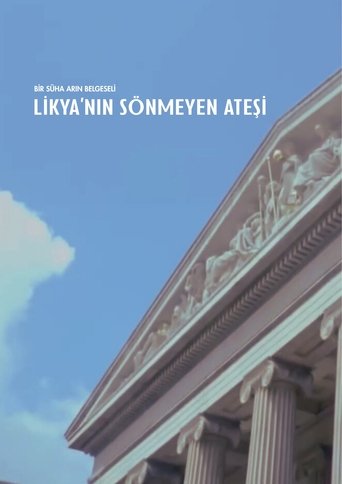 The Unquenchable Fire of Lycia · 1978
The Unquenchable Fire of Lycia
1978
MovieDocumentaryHistory
The fourth film in the "Traces of Anatolian Civilizations" series, "The Unquenchable Fire of Lycia" consists of two 30-minute episodes. The documentary reflects the Lycian Civilization, another stop in the Anatolian people's civilizational evolution. Indeed, the Lycian Civilization is a "fire" that finds its historical continuity in the Anatolian people's resistance to independence. In a sense, it is a magnificent and unquenchable "fire." During the filming of the film, the Lycian region, located between Antalya and Fethiye, was meticulously scanned step by step in two separate seasons, consulting with expert scientists.
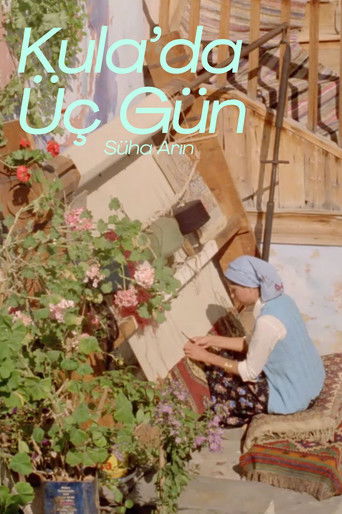 Three Days in Kula · 1983
Three Days in Kula
1983
MovieDocumentary
A documentary describing the architectural, cultural and social aspects of Kula, a small town in the Aegean region which, with its historic houses and traditional Turkish architecture, is a veritable "museum". The film also aims to create a public awareness of the need to preserve such houses. This film was made in conjunction with students of the School of Journalism and Broadcasting of the Faculty of Political Sciences at Ankara University.
 From Hattis to Hitites · 1974
From Hattis to Hitites
1974
MovieDocumentary
Approximately 3300 years ago, on a cuneiform tablet, the Hittite King Muvatalli begged the Storm God. However, a hundred years later, severe storms blew over Anatolia, and the "Land of Hatti" and what we call the "Land of the Hittite" today became a pile of stones and earth, from one end to the other. But this civilization still lives on the traces they left in Anatolia and will continue to live for centuries. The documentary "From Hattis to Hittites", produced by Suha Arın in 1974 with the support of the Turing and Automobile Association, as the first film in the "Traces of Anatolian Civilizations" series, is restored 45 years later from original negatives and magnetic sound tapes.
 The Topkapi Palace · 1991
The Topkapi Palace
1991
MovieDocumentary
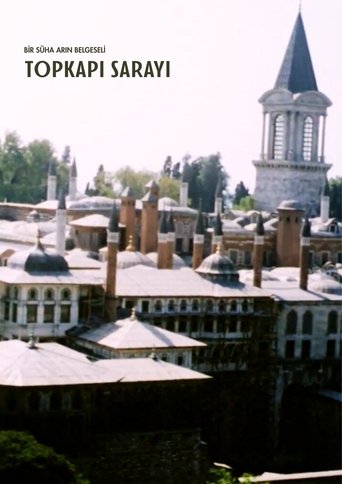
The Topkapı Palace series is the most comprehensive documentary project about the palace to date. In 1990, all of the palace's gates were opened to a film crew for the first time. Camera lights illuminated sections of the palace that are still closed to visitors and have never seen daylight until now.
 Fatma of the Forest · 1979
Fatma of the Forest
★ 8.01979
MovieDocumentary
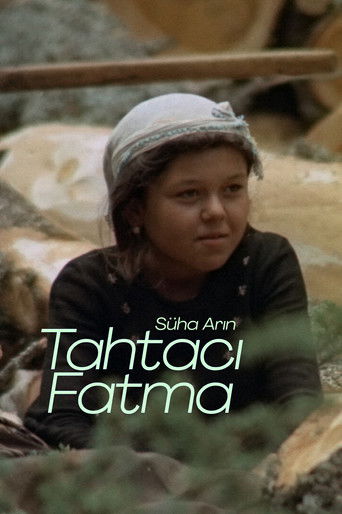
Reflects life, longings and a major “fear” in the subconscious of a 12-years old “woodcutter” girl living under very hard conditions in the forest of Toros Mountains at an altitude of approximately 2000 m. The documentary, aiming to symbolize a little-known but common practice of child labour, accomplishes a dramatic portrayal of laborers who work for Ministery of Forestry totally deprived of social security.
 Kariye · 1984
Kariye
1984
MovieDocumentary
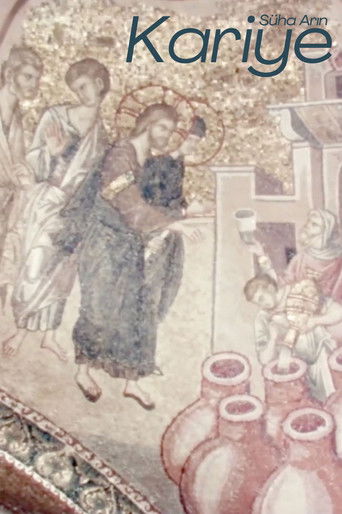
The documentary explores one of Istanbul’s most significant art monuments, tracing nearly 700 years of cultural and artistic history through the mosaics and frescoes of the Kariye Mosque (Chora Church). By combining visual analysis with a distinctive soundscape—from Byzantine hymns and Orthodox prayers to the Islamic call to prayer and Ottoman takbirs—the documentary emphasizes Istanbul’s layered cultural continuity and enduring intercultural dialogue.
 Safranbolu'da Zaman · 1977
Safranbolu'da Zaman
1977
MovieDocumentary
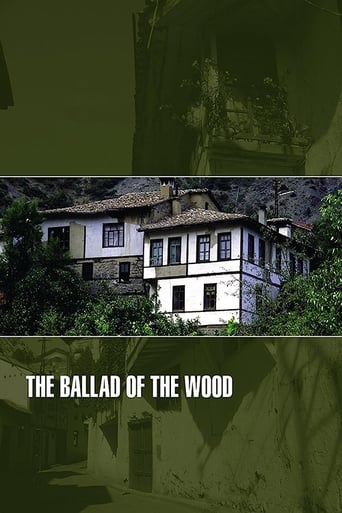
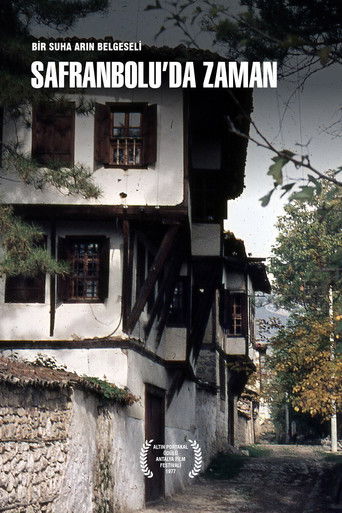
In 1976, Suha Arin was a tutor at the faculty of Social Sciences of Ankara University at the Press and Publishing Department (today's Communication Faculty). Like many of his films, the documentary "Safranbolu: Reflections of Time" was filmed with the help of a group of enthusiastic students. Safranbolu presents some of the few surviving examples of striking traditional Turkish architecture. The beauty of houses as well as the negative impacts of the passage of time are reflected in the documentary "Safranbolu: Reflections of Time" one of the aims of the film was to raise public awareness of the need for protection for culture and nature.
Filmography
Sort