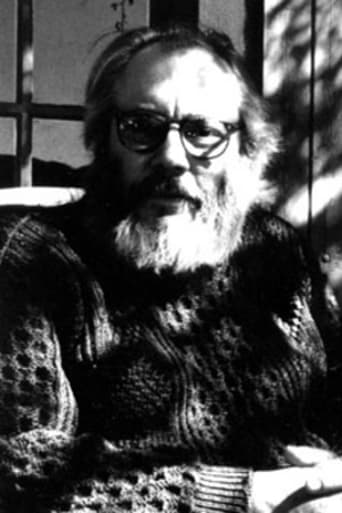
Directing
Jean-Daniel Pollet
Born June 20, 1936 · La Madeleine, France
Died September 9, 2004 · aged 68
Jean-Daniel Pollet (1936–2004) was a French film director and screenwriter who was most active in the 1960s and 1970s. He was associated with two approaches to filmmaking: comedies which blended burlesque and melancholic elements, and poetic films based on texts by writers such as the French poet Francis Ponge.
Known For
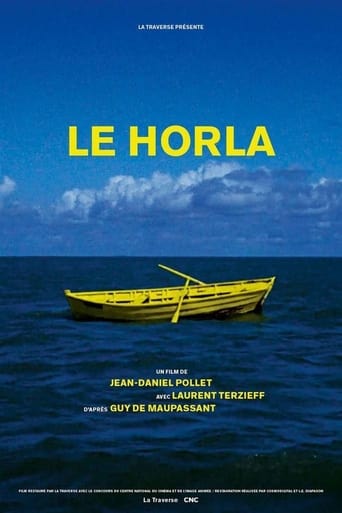 The Horla · 1966
The Horla
★ 6.51966
MovieMystery
A man who lives by himself becomes increasingly concerned that he is not alone. Based on the short story by Guy de Maupassant.
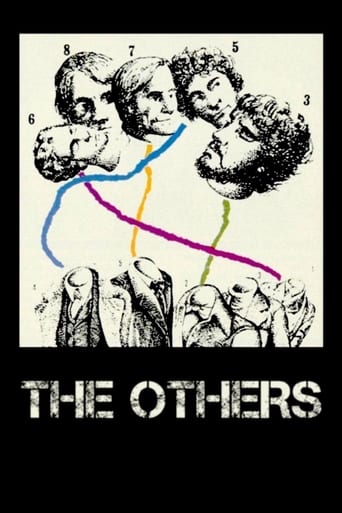 The Others · 1975
The Others
★ 6.41975
MovieDrama
Spinoza, attempting to discover why his son committed suicide, meets his girlfriend and his rival for her affections.
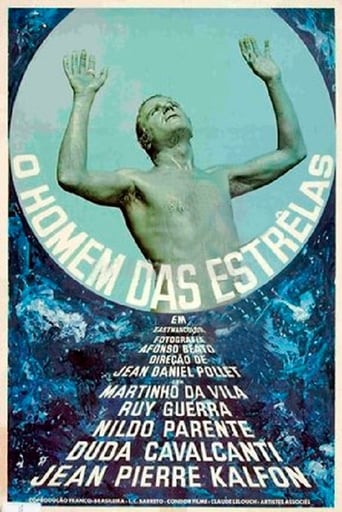 Le Maître du temps · 1971
Le Maître du temps
★ 6.21971
MovieScience Fiction
An alien, with the ability to travel through time, visits our planet at various eras.
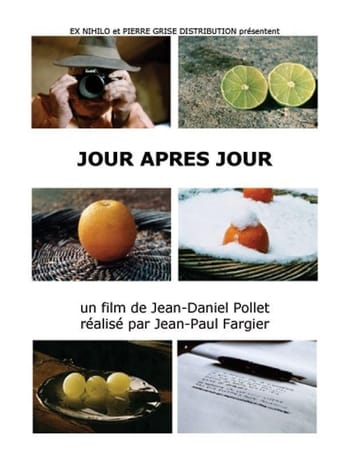 Day After Day · 2006
Day After Day
★ 4.02006
MovieDocumentary
He inhabits the world just like he inhabits his house: motionless. A serious accident nailed him there: in a house in the middle of a large garden. No longer can he dash around the world: day after day, he contemplates it from his house. He’s a filmmaker. He’s only ever lived to make movies.
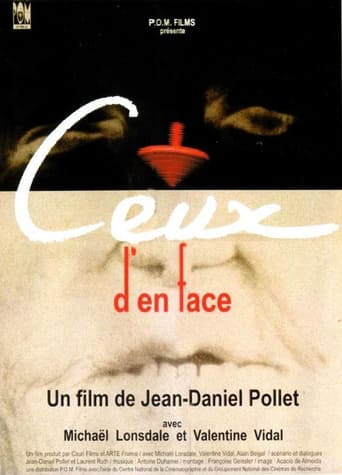 Those Facing Us · 2001
Those Facing Us
★ 6.52001
MovieDrama
In a big isolated house, Mikael, a musician, is composing a psalm. A young woman, Linda, comes to retreive a suitcase belonging to Sébastien, her companion and Mikael's friend. It contains hundreds of photographs from all over the world. While he is travelling, Sébastien has asked Linda to organise the photographs with a view to an exhibition. Mikael invites Linda to reside with him. She accepts. That is the heart of the film – an intertwining of photographs which, juxtaposed by Linda, begin to speak. In parallel with this, Linda receives cassette-letters from Sébastien. A subtle relationship is established between Linda, the young debutante, and Mikael, the man of experience. Mikael goes off to direct his psalm, Linda stays alone. The walls become covered with photographs – wall of happiness, wall of misery – the fight between Good and Evil. Linda learns of the accidental death of Sébastien and stays alone.
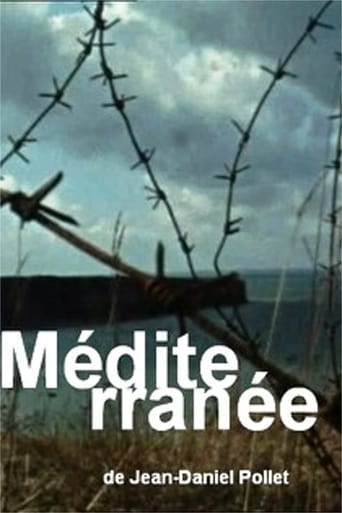 Méditerranée · 1963
Méditerranée
★ 5.81963
MovieDocumentary
[Here] Pollet made a work that is the very definition of what French critics like to call an ovni or ufo (as in ‘unidentified filmic object’). [It] has been described as being ‘like a comet in the sky of French cinema,’ an ‘unknown masterpiece,’ and an ‘unprecedented’ work that refuses interpretation even as it has provoked reams of critical writing. Its rhythmic collage of images – a girl on a gurney, a fisherman, Greek ruins, a Sicilian garden, a Spanish corrida – is accompanied by an abstract commentary written by Sollers, and only the somber lyricism of Antoine Duhamel’s score holds the film’s elements together. At first viewing, you fear that [it] might fly apart into incoherent fragments. Instead, over the course of its 45 minutes it invents its own rules, and you realize you’re watching something like the filmic channeling of an ancient ritual.
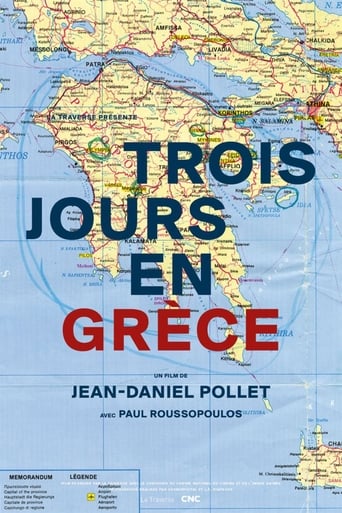 Three Days in Greece · 1991
Three Days in Greece
★ 9.01991
Movie
From Provence to Greece, a journey on the mortal remains and ruins of ancient civilizations.
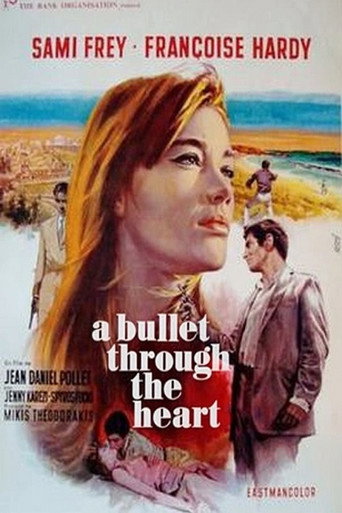 A Bullet Through the Heart · 1966
A Bullet Through the Heart
★ 6.01966
MovieDramaMystery
Francesco, a young Sicilian aristocrat, scars an aging gangster who has set out to take away his property. The gangster vows to obtain vengeance, and Francesco is forced to flee across Greece with his girl friend, pursued by his antagonist's vicious henchmen.
Filmography
Sort