E
Camera
Erwin Anders
Born September 8, 1908 · Potsdam, Germany
Died June 30, 1972 · aged 63
Erwin Anders ( September 8, 1908 - June 30, 1972 in Potsdam ) was a German cameraman. Anders trained as a precision mechanic from 1922 to 1926. He then began working as a photo laboratory technician at Zeiss-Ikon in Dresden. In Dresden he trained at the technical school from 1928 and finished his apprenticeship in 1930. From 1933 to 1945 he headed the film studio at Zeiss-Ikon and then worked as …
Known For
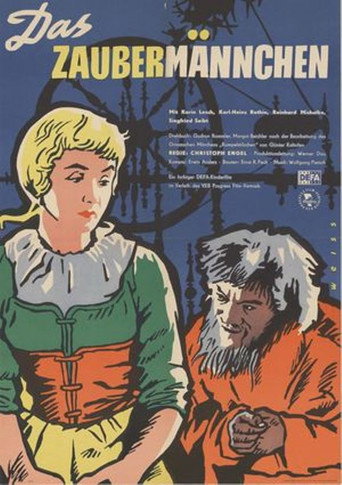 Rumpelstiltskin · 1960
Rumpelstiltskin
★ 5.41960
MovieFantasyFamily
East German adaptation of Grimm‘s fairy tale "Rumpelstiltskin". A boastful miller pretends that his daughter Marie can spin straw into gold, and so she is locked into a room full of straw and ordered to spin it into gold by the next morning. A little man appears and offers his help in exchange for Marie's necklace. The greedy treasurer makes Marie spin twice more until the only thing she has left to give the little man is the promise of her first-born child…
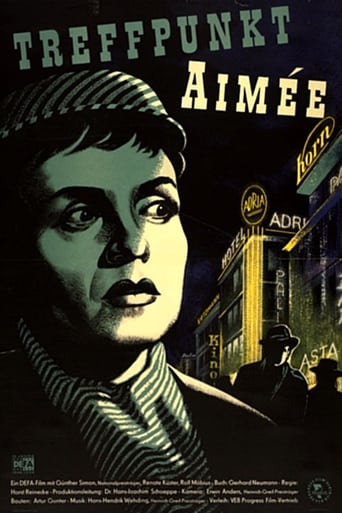 Meeting Point · 1956
Meeting Point
★ 6.81956
MovieDramaCrime
DEFA crime film about the smuggling of PVC across the (still open) border from East to West Berlin.
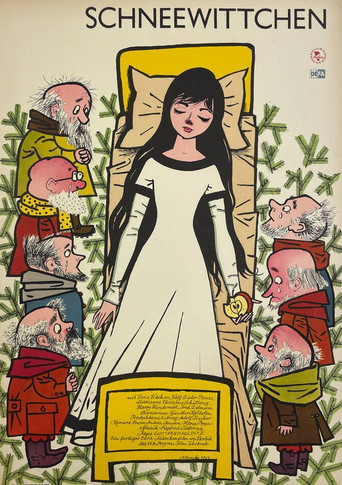 Snow White · 1961
Snow White
★ 6.21961
MovieFantasyFamily
Hated by her jealous and bloodthirsty stepmother, Snow White flees a murder attempt and seeks shelter in the woods with seven kindly dwarfs. Feeling she is safe from harm, Snow White welcomes the disguised queen into her home...with fatal consequences.
 Dresden · 1946
Dresden
★ 9.01946
MovieDramaDocumentary
A film about Dresden - before, during, and after the war.
 Friendship Triumphs · 1951
Friendship Triumphs
★ 10.01951
MovieDocumentary
Film about the third 'Weltfestspiele der Jugend und Studenten für den Frieden' in East Berlin, 1951. West Germany is represented as a degenerate country which has been occupied by the Americans and is still inclined to fascism. We see the construction of the stadium, the departure and arrival of the delegations, the opening and closing by Enrico Berlinguer, a sports event, the parade of the delegations, a visit to Potsdam, folk dancing, and police violence against youngsters from West Berlin who want to visit East Germany because of the games. The film is interlaced with shots from the Korean War and a parade by NATO-troops in West Germany. Featuring Robert Montgomery, Konrad Adenauer, Wilhelm Pieck, Dwight Eisenhower, Robert Leer and Erich Honecker. The crew comprised no less than 24 cameramen. This project was the first great colour film Ivens co-operated in.
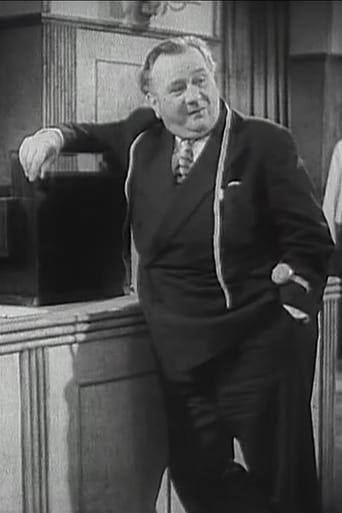 Das Stacheltier - Der Wintermantel · 1954
Das Stacheltier - Der Wintermantel
1954
MovieComedy
A little man wants to order a warm coat from a fabric he has brought with him to a tailor's workshop in winter. He is laughed at and told that orders for this type of garment are only accepted in the summer - after all, they work to a schedule. When the customer continues to insist on his request, he is declared insane by the employees of the atelier - they are not a capitalist company after all. This infuriates him so much that a neurologist, the fire department and an ambulance are called. The doctor clarifies the situation and advises the first tailor to have a word with his assistant. "I'm normal," he claims. "I believe it," replies the doctor, "but will the others believe it...?"
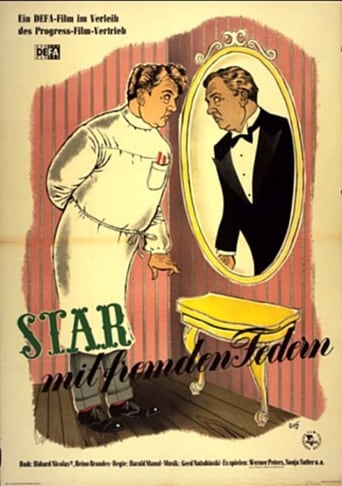 Star mit fremden Federn · 1955
Star mit fremden Federn
★ 8.01955
MovieComedy
A striking resemblance between the hairdresser Franz Blume and the famous actor Günther Kolmin leads to a curious mix-up during a vacation in Feuerstein. Blume's initially shy attempts to defend himself are unsuccessful. It is believed that the star wants to maintain his incognito. And the hairdresser soon takes a liking to the role of the adored one, especially as Miss Petri never leaves his side. When the real Kolmin finally arrives on the scene, the embarrassment is almost unbearable. In the end, Blume is happy to be himself again and returns home to his fiancée in remorse.
 Unsere Frauen im neuen Leben · 1951
Unsere Frauen im neuen Leben
1951
MovieDocumentary
The foundations and effects of the law to ensure full equality for women are presented with a wide range of examples.