Directing
David Askevold
Born March 30, 1940 · Conrad, Montana, United States
Died January 23, 2008 · aged 67
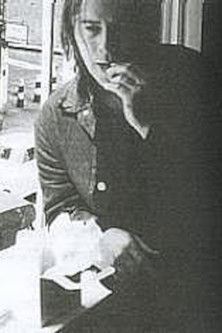
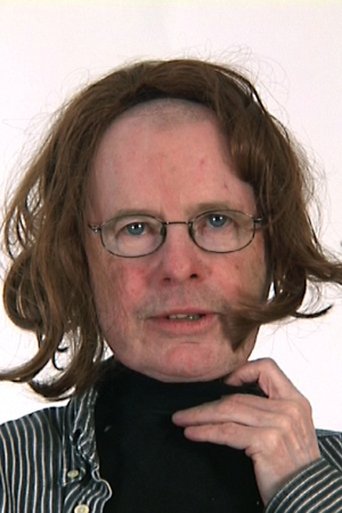
David Askevold was an experimental American-Canadian artist who lived in Nova Scotia. Askevold studied art and anthropology at the University of Montana. In 1963, he won a Max Beckmann Scholarship to study painting for a year at the Brooklyn Museum Art School in New York. In 1966, he enrolled at the Kansas City Art Institute to complete a Bachelor of Fine Arts degree, in Sculpture. Askevold went t…
Known For
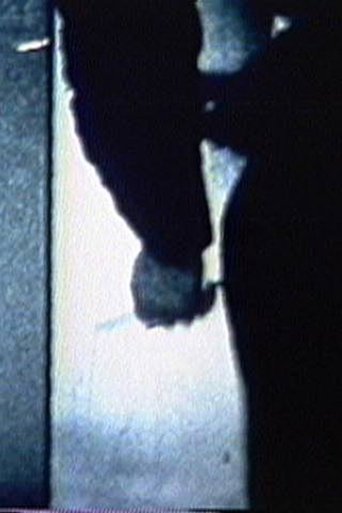 Knife Throw · 1969
Knife Throw
1969
Movie
"The static camera is placed in a room lit by an overhead controlled lighting system. Two flashlights are strapped to my ankles and the other to one wrist. I begin throwing the tree knives at 20 feet away from the panel and move toward the panel at 2 foot intervals, throwing the set of knives to 10 feet from the surface and then move back to the 20 ft. mark. The lights in the room are dimmed a specific amount at each interval until the room is totally dark revealing only light specks given by the flashlights reflecting off the broken surface of the panel. The soundtrack consists of the knives striking the surface and sometimes bouncing to the floor; a woman's voice is heard speaking: 'stick, bounce, stick, stick, bounce' etc., as each knife is thrown." - David Askevold
 Two Hanks · 2003
Two Hanks
2003
Movie
This piece is about placing two major recording artists on the same stage together after they have been dead for some time. Since Hank Snow and Hank Williams never performed together during their lifetimes this was a way to bring them together with their two songs, ‘Rambling Man’ and ‘I’ve Been Everywhere.’ The thereminist, Scott Marshall, takes the two songs to another place. Footage of the audience, which was built into the construction of the work, constitutes a component of the video.
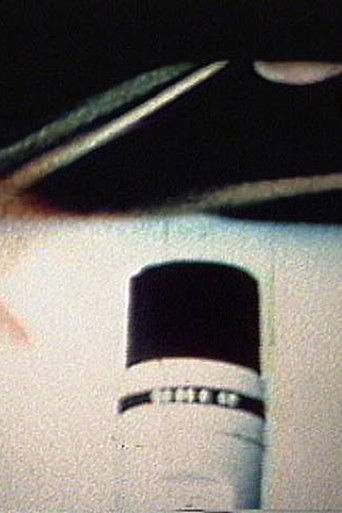 Rubber Band · 1971
Rubber Band
1971
Movie
"Holding a rubber band between my thumbs and forefingers, I strum it as fast as I can close to the microphone. The camera is static and runs until the S8 cartridge runs out. The sound is recorded on tape separate from the film, so the audio which sounds like a drum, slowly moves out of synch with the image." - David Askevold
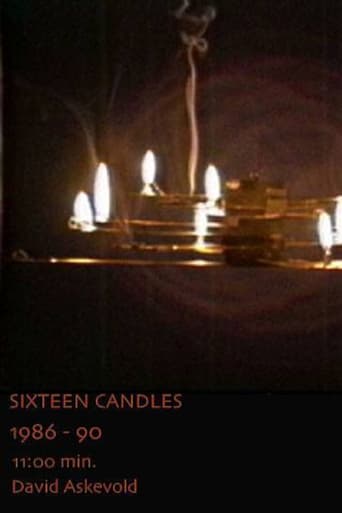 Sixteen Candles · 1990
Sixteen Candles
1990
Movie
Sixteen Candles is a recording of a constructed candle chandelier which is suspended by a cord, wound up and allowed to wind down for recording in continuous edited time. The sixteen birthday candles while burning down and finally going out, create a moody atmospheric video having the capacity to colour a space.
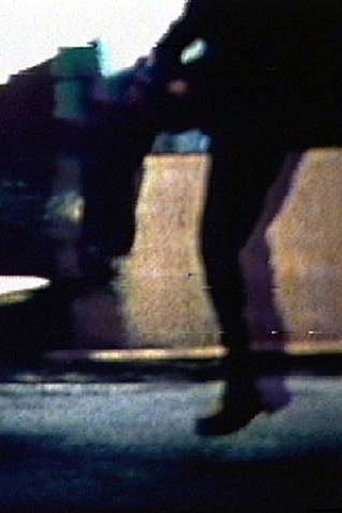 Catapult · 1970
Catapult
1970
Movie
"A disk of wax soaked with lighter fluid is placed on one end of the balanced plywood. I run toward and Jump on the other end, catapulting the wax over my head in hopes of striking a strip of toilet paper, lighting and burning it. (the strips of toilet paper are strung in rows across the parking lot) The performance / film ends when all of the strips have caught fire." - David Askevold
 Fill · 1970
Fill
★ 3.51970
Movie
"Fill is my first video; the monitor becomes a picture-sound box. The screen is filled by laying sheets of aluminum foil on a microphone and wrapped one at a time and then unwrapped. The audio implodes during the wrapping and explodes as the sheets are pulled away from the microphone. Besides the obvious reading of physical filling, the title also refers to filling time or a 'filler' between television shows."- Askevold
 Six Fifty · 1989
Six Fifty
1989
Movie
This composition is about the hollowness of material wealth, the poverty of alienation and the different forms they take. This concept is mainly represented by two individuals; a middle aged man who `monologues to an empty chair "(Talking to God)" in a train station. This section is performed by Heath Lamberts. The other section is portrayed by Derik Caines, a painter who grew up in Newfoundland and was living in Toronto when the footage was taped.
 Jumped Out · 1985
Jumped Out
1985
Movie
"This tape is comprised of a sensual drift of images which allude to or trace evidence of psychic energy that surfaces within the image. The tape begins with a tableau of architectural stone to a saxophone player (Charlie Braden, a musician from Minneapolis) who is playing through a 34 foot elevated rectangular tube wood structure. The intention was to support a "physical soundtrack." The piece then moves to an outdoor garden restaurant setting during the credits, where a mental patient speaks of various subjects, shifting the emphasis away from the previous content." - David Askevold
Filmography
Sort