Acting
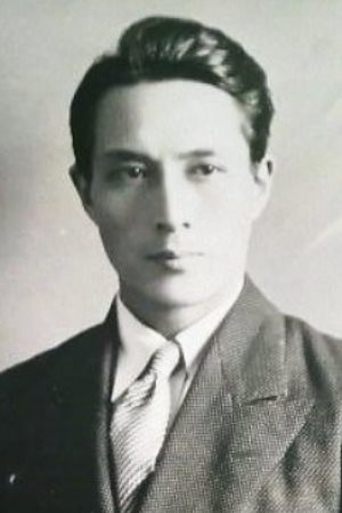
Minoru Takada
Born December 20, 1899 · Higashinaruse, Ogachi, Akita, Japan
Died December 27, 1977 · aged 78
Minoru Takada (December 20, 1899 - December 27, 1977) was an actor and film producer in the Taisho and Showa periods, he appeared in over 230 films between 1924 and 1971. His wife was the former actress Mikiko Mitsuki. Description above from the Wikipedia article Minoru Takada, licensed under CC-BY-SA, full list of contributors on Wikipedia.
Known For
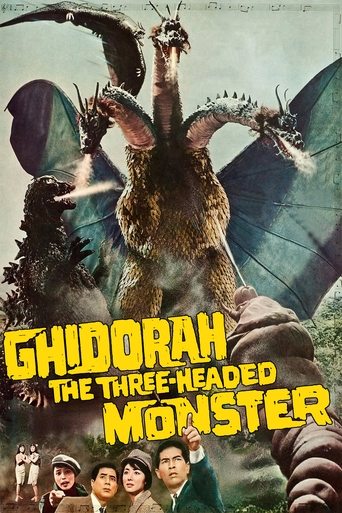 Ghidorah, the Three-Headed Monster · 1964
Ghidorah, the Three-Headed Monster
★ 7.01964
MovieScience FictionAction
After a meteorite unleashes a three-headed beast upon Tokyo, Mothra tries to unite with Godzilla and Rodan to battle the extraterrestrial threat.
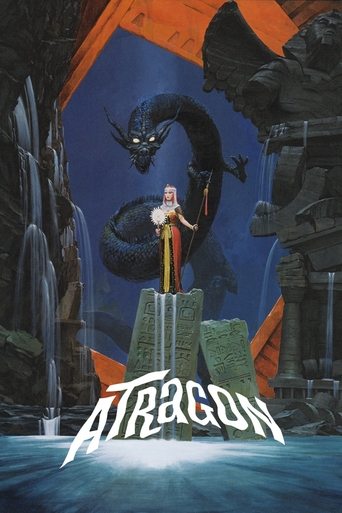 Atragon · 1963
Atragon
★ 6.61963
MovieScience FictionAction
The legendary empire of the lost continent of Mu reappears to threaten the world with domination. While countries unite to resist, an isolated World War II Captain has created the greatest warship ever seen, and possibly the surface world's only defense.
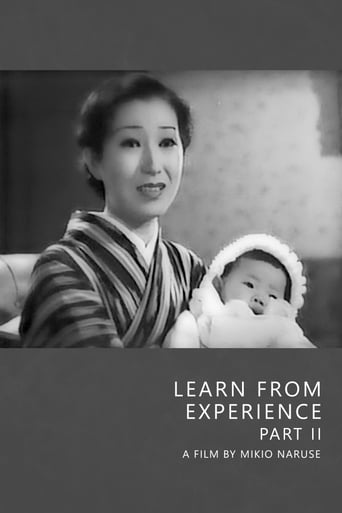 Learn from Experience, Part Two · 1937
Learn from Experience, Part Two
★ 6.31937
MovieDrama
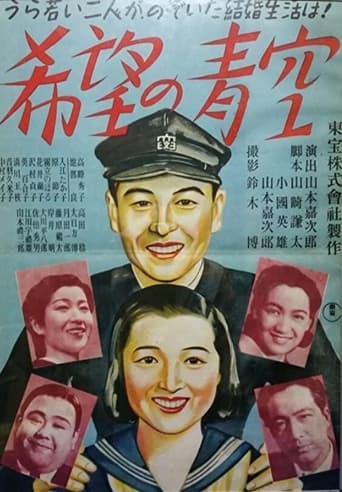
Toyomi is pregnant -- and while Shintaro and Yurie are on their extended honeymoon, she bears his child, a girl named Kiyoko. She is supported in adversity by close friend Michiko and her mother but also, surprisingly, Shintaro's mother and siblings. Even moreso, Toyomi and Yurie become friends. Part two of a two-part romance based on a story by noted author Kikuchi Kan.
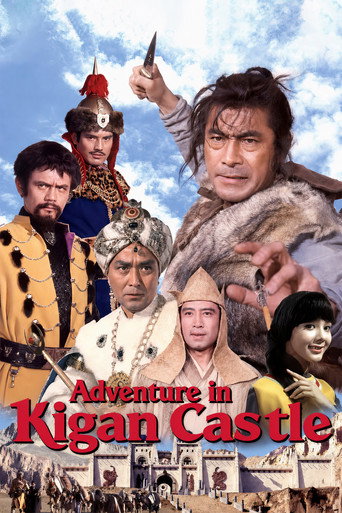 Adventure in Kigan Castle · 1966
Adventure in Kigan Castle
★ 6.21966
MovieActionAdventure
Osami, a soldier-of-fortune from Japan, joins with priest Ensai in a quest for the ashes of the great Buddha. Their journey takes them to a kingdom in the Middle East, where they find intrigue and romance in the court of an evil king.
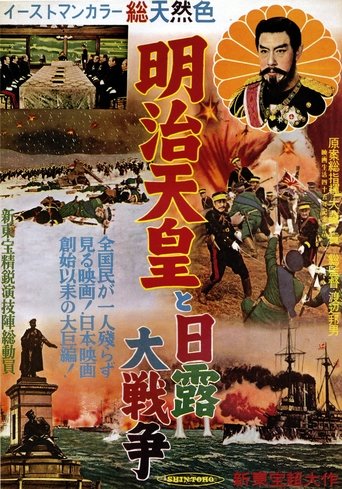 Emperor Meiji and the Great Russo-Japanese War · 1957
Emperor Meiji and the Great Russo-Japanese War
★ 8.01957
MovieHistoryWar
Meiji Tenno portrays the buildup to the Russo-Japan War. In addition to showing the political events that led to war, it also shows the era from the story of a farm family in rural Japan that sends their son off to war. As such, it could be considered an anti-war movie, showing how, while war is devised by governments, the people do not really understand what war is, and its combatants often do not know what they are fighting for.
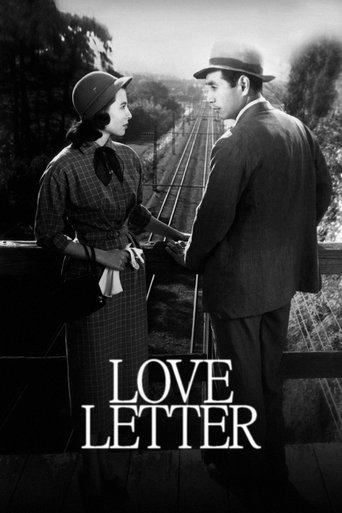 Love Letter · 1953
Love Letter
★ 6.91953
MovieRomanceDrama
Five years after the end of the Second World War, Reikichi, a repatriated veteran, translates love letters for Japanese women to American GIs, while searching for his lost love, Michiko.
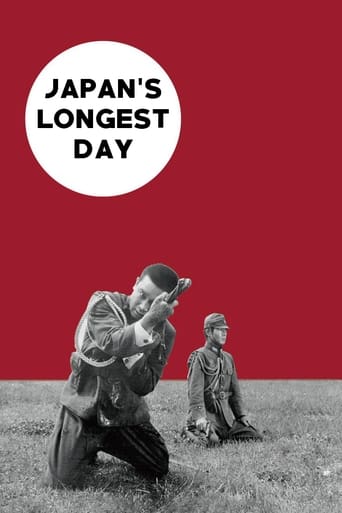 Japan's Longest Day · 1967
Japan's Longest Day
★ 7.31967
MovieDramaHistory
A dramatisation of the 24-hour period in which the Japanese government was deadlocked over the decision to accept or reject the Allies' demand for an unconditional surrender following the bombings of Hiroshima and Nagasaki.
 Battle in Outer Space · 1959
Battle in Outer Space
★ 5.91959
MovieScience FictionAction
In 1965, the space station JSS-3 is destroyed by a fleet of UFOs, which then begin a global siege on Earth, using rays to manipulate gravity and control the minds of men. In response, a global council meeting is held to determine the source of the attacks and prepare a rocket ship armada for a counter-attack, a true battle in outer space. . . The film is a sequel of sorts to Toho's THE MYSTERIANS in the reprise of the Etsuko Shiraishi character of that film as its heroine. It was edited to 74 minutes for its American release.
Filmography
Sort
Japan's Longest Day · 1967Japan's Longest Day
★ 7.31967
MovieDramaHistory
A dramatisation of the 24-hour period in which the Japanese government was deadlocked over the decision to accept or reject the Allies' demand for an unconditional surrender following the bombings of Hiroshima and Nagasaki.
Vice Admiral Zenshiro Hoshina - Dir. of the Naval Affairs Bureau
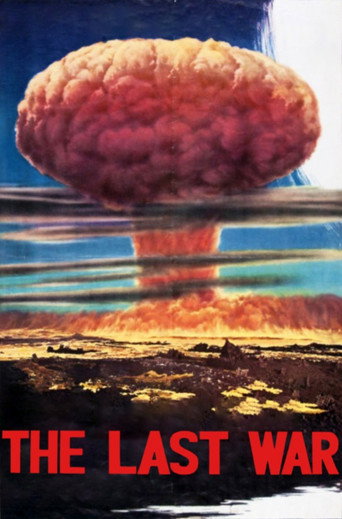 The Last War · 1961
The Last War
★ 6.81961
MovieDramaScience Fiction
A Japanese family is torn apart by the tensions of an avoidable nuclear world war between the superpowers.
Tokyo Defense Command Commander